
Last updated November 4, 2026
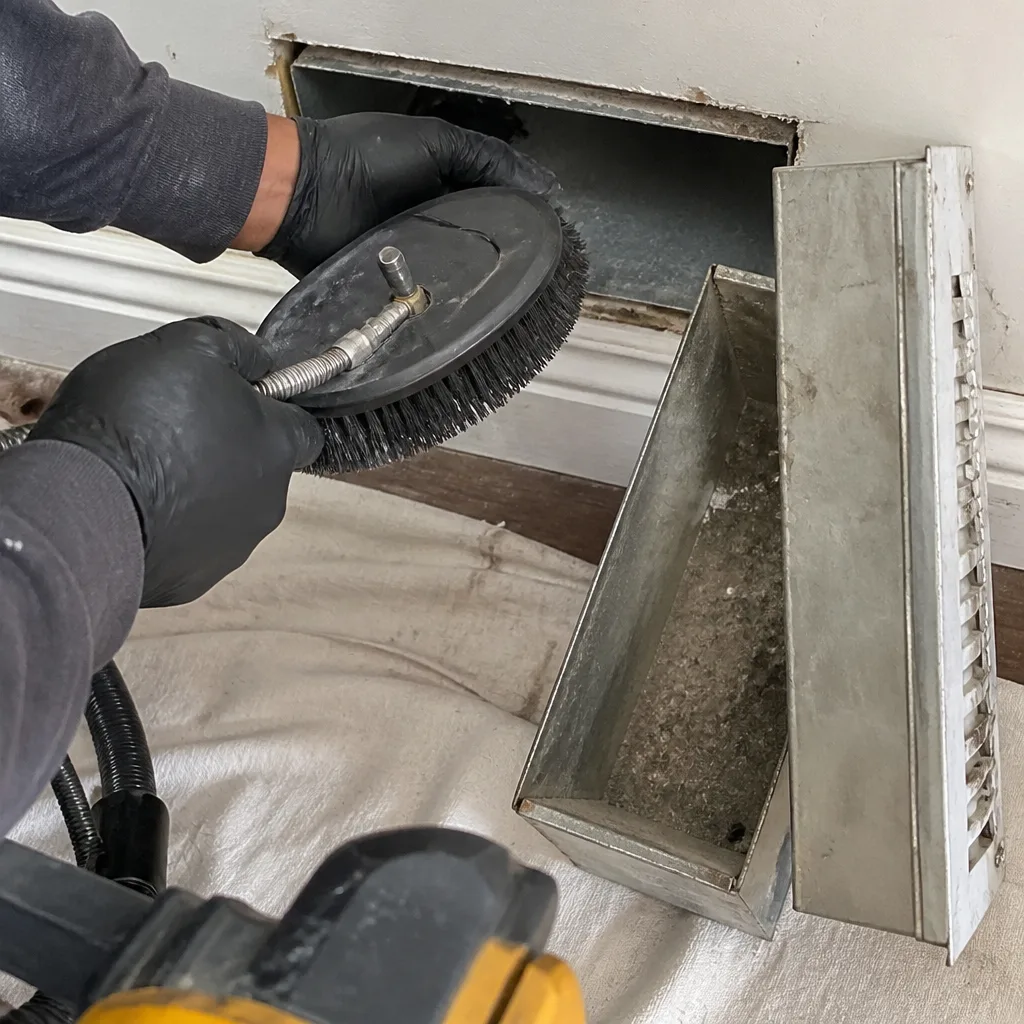
 Whole-home duct cleaning
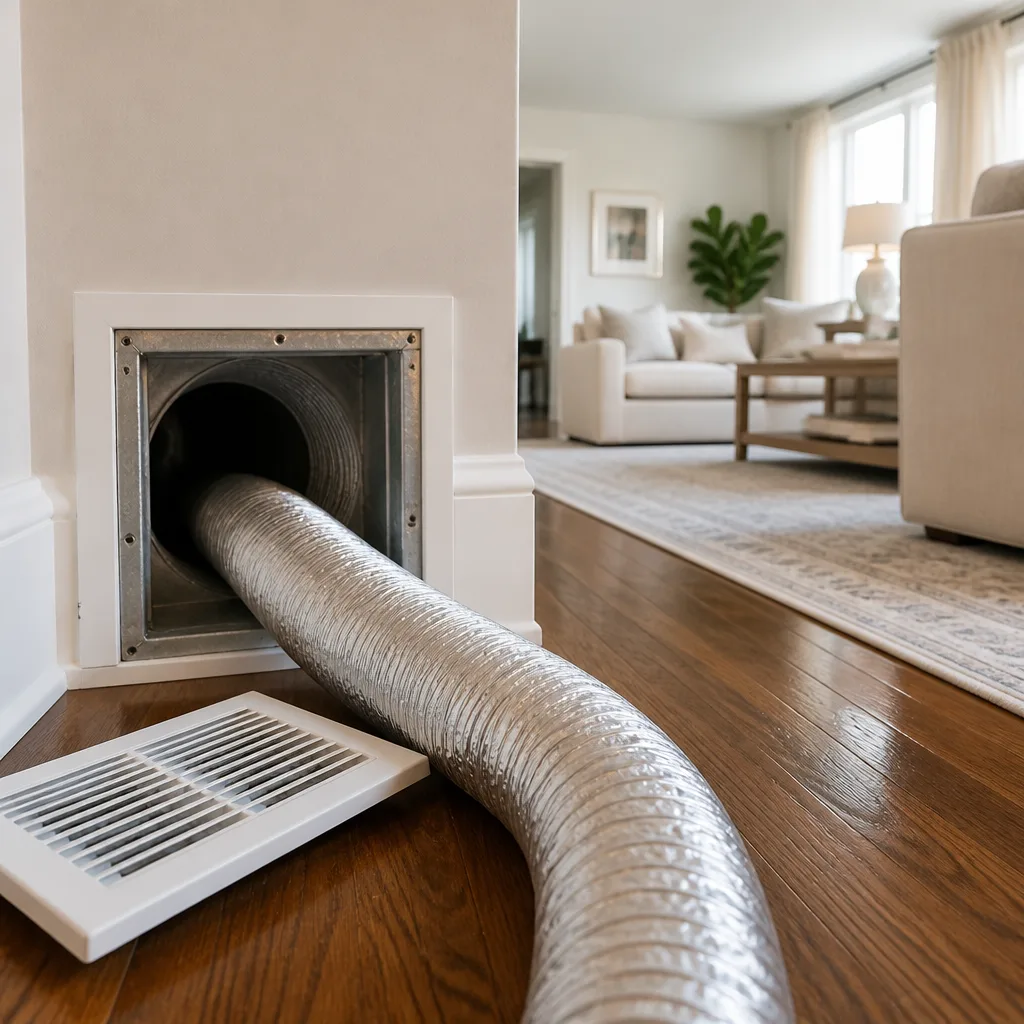
 Dryer vent cleaning
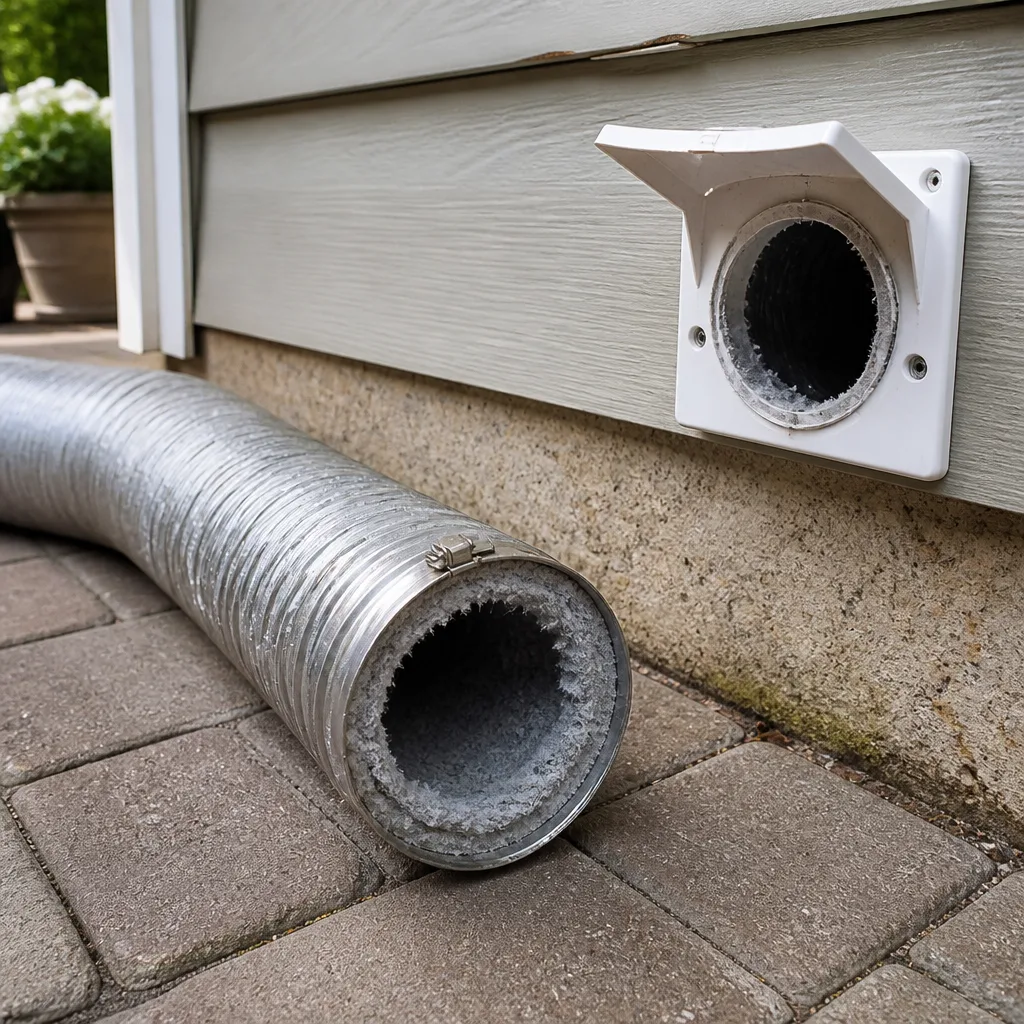
 Camera inspection
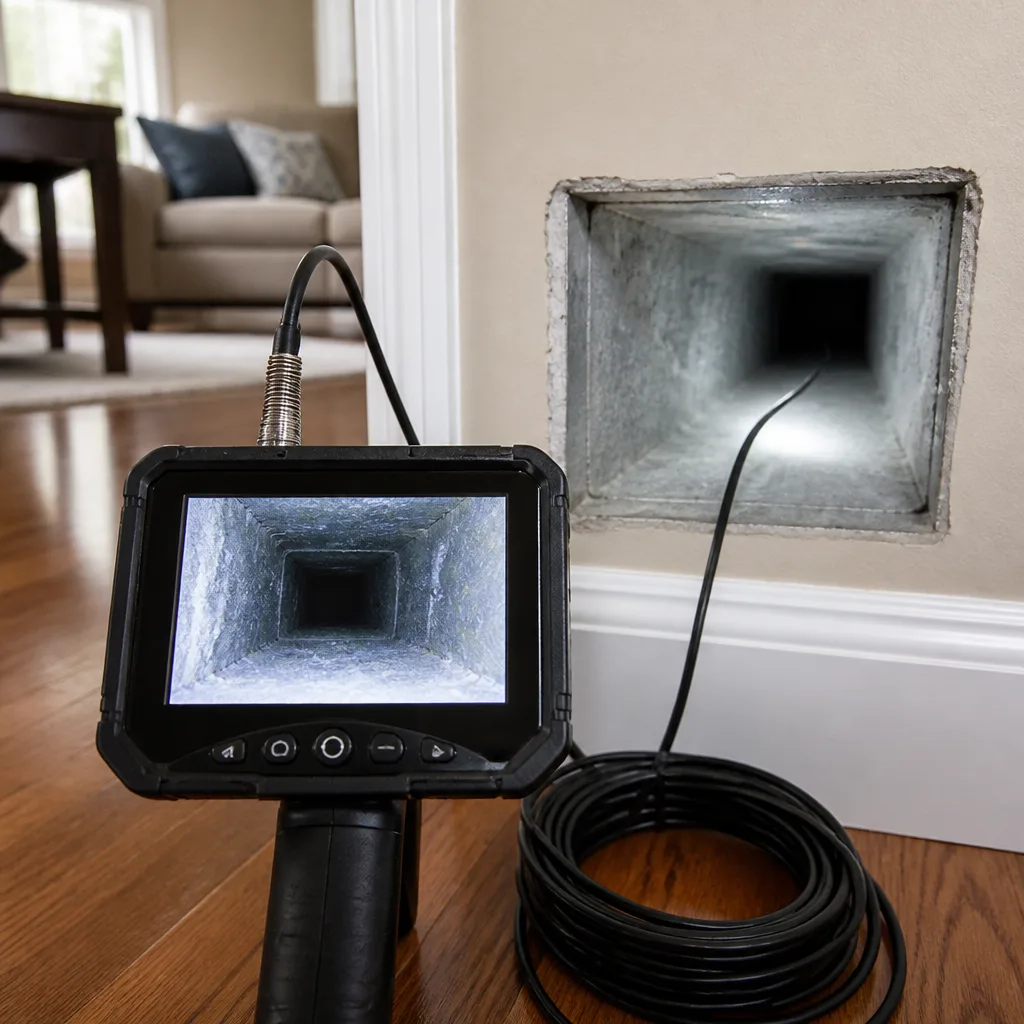
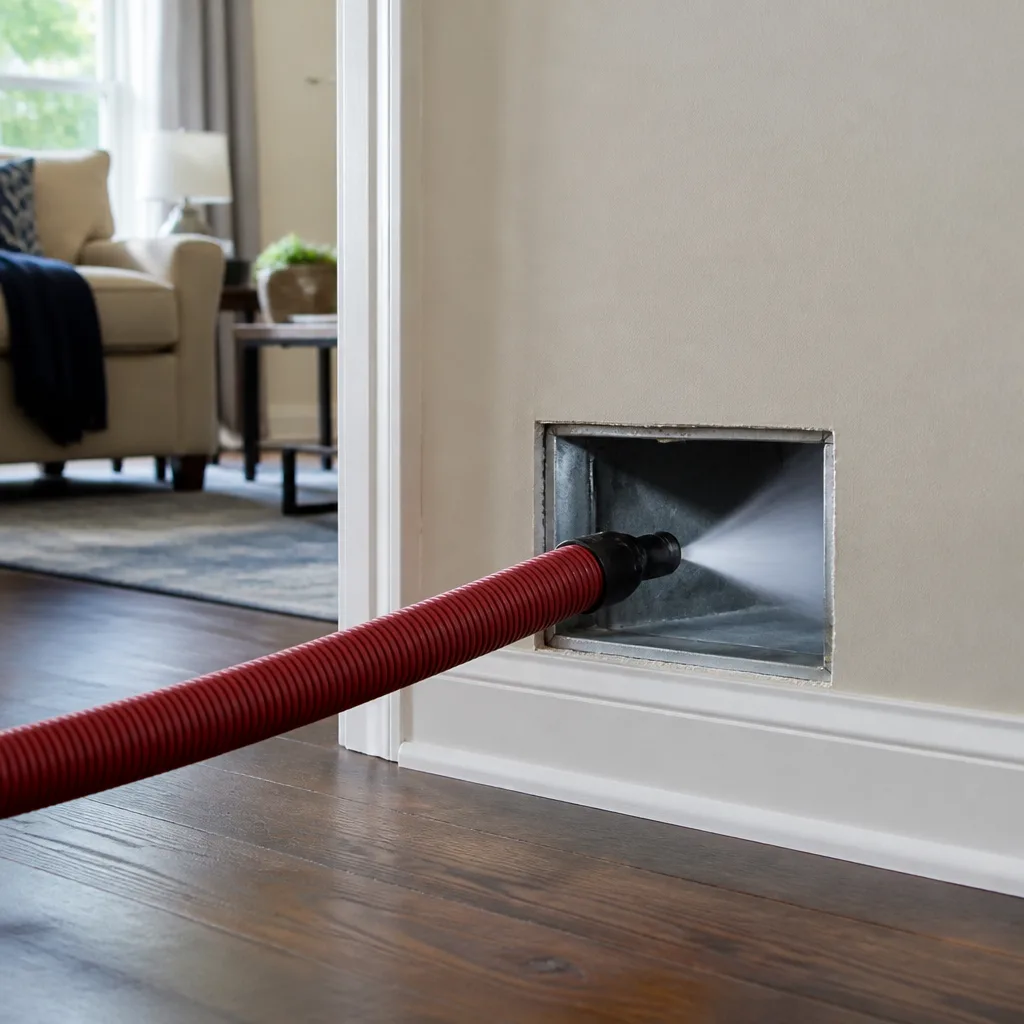 Sanitizing & deodorizing
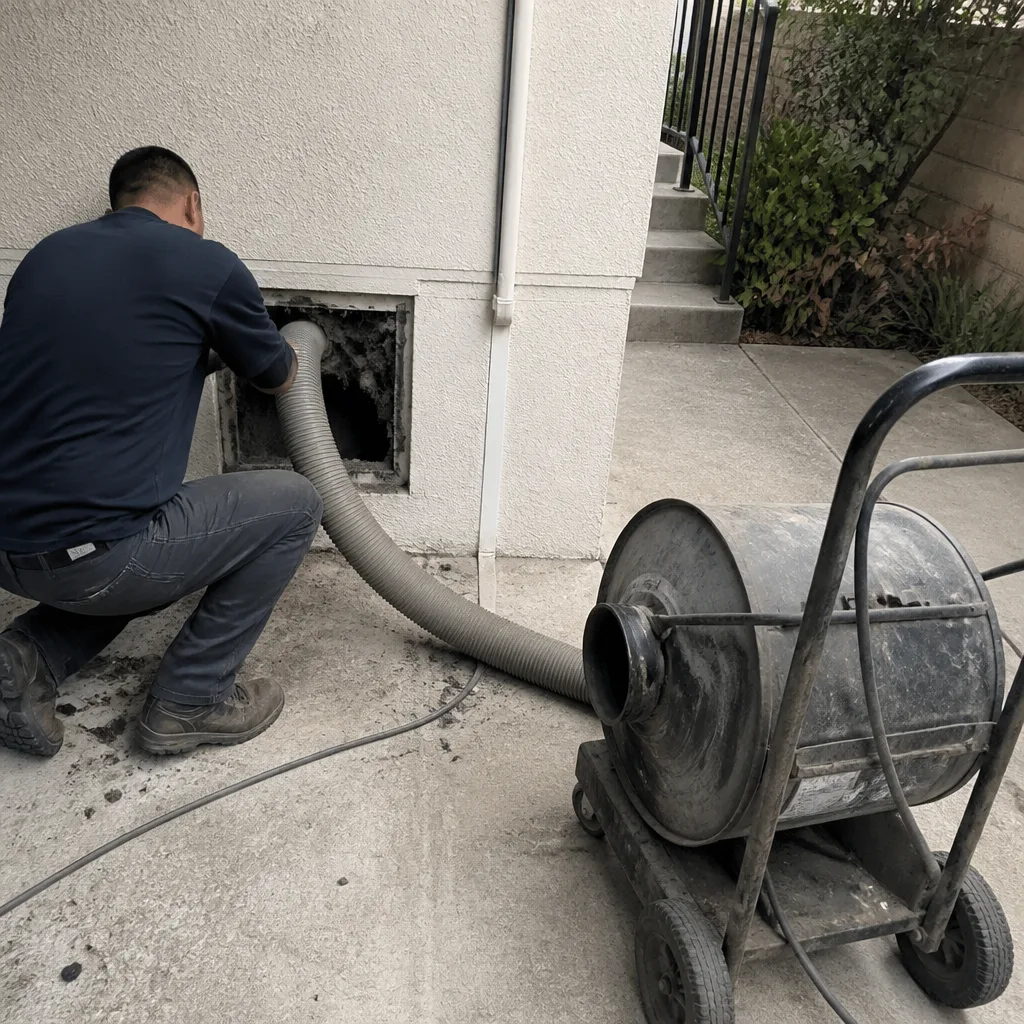
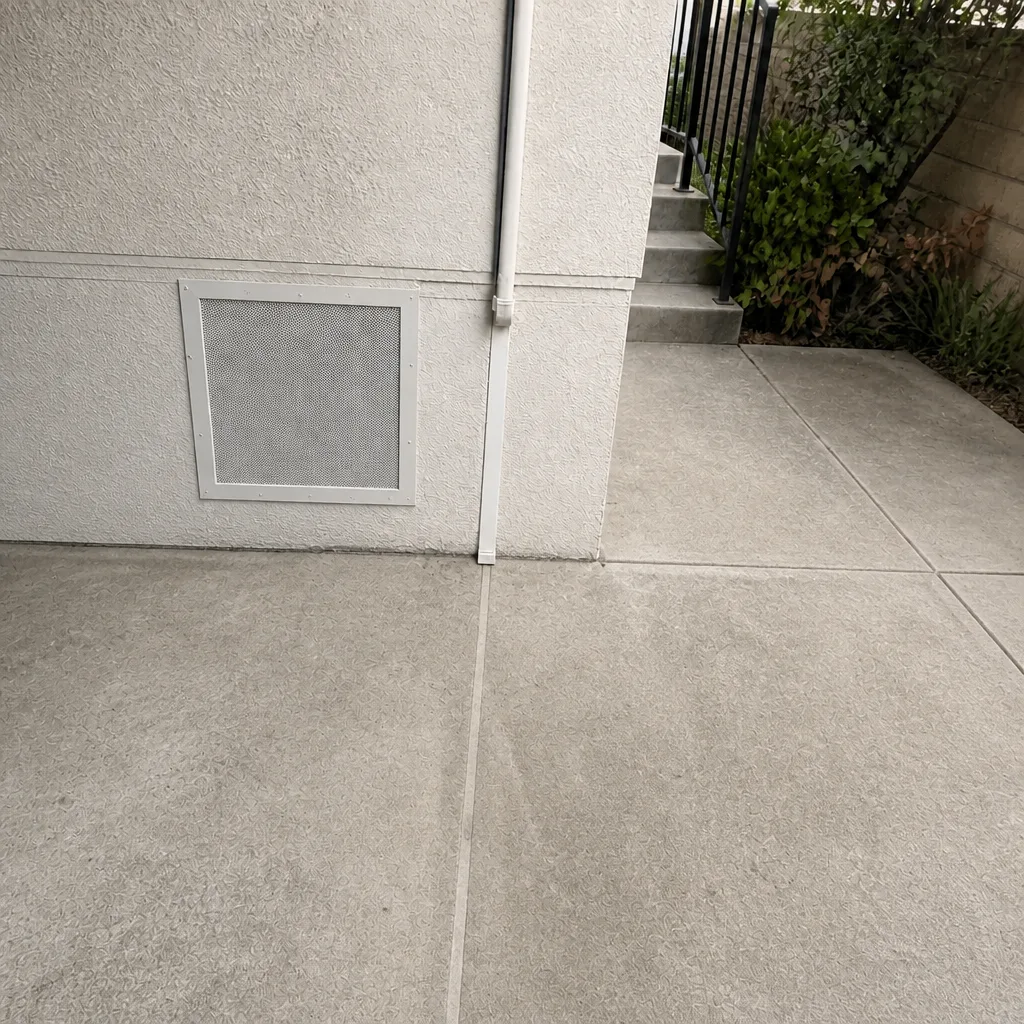
Whole-system duct and dryer vent check with before-and-after photos - you see exactly what came out of your vents
That "$99 whole-house special" is a bait ad - the real number appears once they are in your hallway, or the "clean" is a shop-vac at the register. We photograph the inside of your ducts before and after instead.
Air Duct Cleaning Maintenance Checklist for Lakewood Homeowners
Most duct maintenance advice starts and stops at the filter. Swap it every 90 days, the checklist says, and you’re done. But in Lakewood, where cooling season runs long and the same air recirculates through closed windows for months at a time, the filter is just the first line of defense. What actually keeps a duct system clean between professional visits is knowing what to look for at the register, the return grille, and the air handler door panel. This guide walks through a real maintenance protocol, one built for Lakewood’s housing stock and climate, not a generic list copied from a national website. You’ll learn which checks genuinely extend time between cleanings, which ones only create false confidence, and when a visual inspection should turn into a phone call.
Styles & brands we work with
- Whole-home duct cleaning
- Dryer vent cleaning
- Camera inspection
- Sanitizing & deodorizing
Quick Answer
An air duct cleaning maintenance checklist for Lakewood homeowners means monthly visual checks at supply registers, return grilles, and the air handler door panel, plus seasonal smell and airflow benchmarks and a simple written log of what you observe. These checks catch duct damage, filter bypass, and moisture problems before they become expensive repairs. Filter changes matter, but they are only one line item on a list that should also include register cleaning, return-side inspection, dryer vent verification, and a professional cleaning interval based on household conditions.
Table of Contents
- The Monthly Visual Inspection Protocol
- Seasonal Smell and Airflow Benchmarks for Lakewood
- How to Log Duct Performance Over Time
- Which Maintenance Tasks Actually Extend Time Between Cleanings
- Which Tasks Create False Confidence
- Checklist Items for Pets, Remodels, and Attic HVAC Systems
- The Dryer Vent Line Item Most Homeowners Skip
- Common Mistakes to Avoid
- When to Call a Professional
- Frequently Asked Questions
- The Bottom Line
The Monthly Visual Inspection Protocol
The idea is simple: once a month, you walk the house and look at the places where air enters and leaves the duct system. No tools required. No ladders. Just a flashlight and about ten minutes. The point isn’t to find something wrong every month. The point is to know what your system looks like when it’s right, so that when something shifts, you notice it immediately instead of weeks later when the symptom becomes obvious.
Start at the supply registers, the grilles in the floor, wall, or ceiling where conditioned air blows out. Three things matter here. First, the dust ring. A light, even dust pattern around the outer edge of a supply register is normal in any Lakewood home, especially one with carpet or pets. But a dark, streaky, or greasy-looking ring means the air moving through that register is carrying more particulates than it should. That points upstream, to the ducts themselves. Second, look at the register fins. Bent, pushed-back, or partially closed fins change airflow patterns and can force dust to accumulate unevenly on the register face. Third, note any register that feels noticeably weaker than the others in the same room or same hallway. Airflow differences between rooms are normal in two-story Lakewood homes with long duct runs, but a register that changes month to month is a signal worth logging.
Next, the return grilles. These are the larger grilles, usually in a hallway or central wall, where air gets pulled back into the system. Return grilles tell you a lot about how hard the whole system is working. A return grille with heavy dust buildup, especially a visible layer that looks like felt or lint, means the filter upstream isn’t catching what it should, or the ducting to that return has leaks pulling attic or wall-cavity air. In Lakewood homes with attic HVAC installations, a return grille that darkens quickly is often a sign that the return plenum has gaps or the filter rack isn’t sealed. Check that the filter itself is seated flush and that the filter slot cover is in place. If you can see a gap around the filter edge, the system is bypassing the filter entirely, and no amount of filter swapping will fix that.
Finally, the air handler door panel. If your system is in a closet, garage, or attic, open the door panel once a month and look at the area around the blower access. Dust accumulation on the outside of the cabinet is normal. Dust that looks pulled inward, especially around seams and panel edges, suggests negative pressure leaks inside the cabinet, which pull unfiltered air into the airstream after the filter. Also listen for any change in the blower sound: a hum that becomes a rattle or a whine that wasn’t there before. Write it down. Air handler noise changes are early indicators of blower wheel buildup, which is exactly the kind of thing a professional-grade cleaning should address before the motor works harder than it needs to.
Seasonal Smell and Airflow Benchmarks for Lakewood
Lakewood’s climate gives homeowners a reliable seasonal rhythm to work with. Cooling season runs long, typically from late spring through early fall, and the transition from heating to cooling is a predictable moment when duct issues announce themselves. You can use that rhythm to build informal baselines, the kind that require no equipment and no technical knowledge.
The most useful benchmark is smell. In winter, when the furnace runs, ductwork should smell neutral or faintly like warm metal. In summer, when the air conditioner starts cycling, homeowners sometimes notice a stale or musty smell for the first day or two of cooling season. That’s not unusual, but it should clear. A musty smell that persists into the third day of cooling, or one that returns every time the system cycles, often points to dust and debris inside the ducts or a moisture issue around the evaporator coil. Lakewood’s dry summer air means a persistent musty smell is less likely to be ambient humidity and more likely to be inside the system. Track it. If the smell is there in June and gone by July, note it. If it recurs every June, that’s a pattern worth discussing with a professional.
Airflow has its own seasonal baseline. On the hottest Lakewood afternoons, the system runs longer and the supply air should feel consistently cool and steady. A register that feels weak only on hot days, or only in one room, suggests duct leakage or a damper problem. In spring and fall, when the system runs less, walk the house once and note which registers feel soft compared to others. That becomes your reference point. The key is not measuring airflow in technical units. It’s knowing what normal feels like in your own house, room by room, season by season, so that a change registers as a change.
How to Log Duct Performance Over Time
Contractors can diagnose a point-in-time condition. What they can’t see is the pattern that led to it. A homeowner who keeps a simple log gives the technician something no camera inspection can provide: the timeline. That’s what turns a guess into a diagnosis.
Keep it simple. A notebook, a notes app, or a spreadsheet works. The log doesn’t need technical language. It needs observations with dates. Each month, write three things:
- The date and the season mode (heating, cooling, or off).
- What you observed at the registers and returns (dust ring condition, airflow feel, any new smells).
- Any change from the previous month (worse, better, same).
Over a year, this log gives you something valuable: a record of which symptoms came and went on their own, which ones got worse, and which ones appeared suddenly. A register that slowly gathers a dark dust ring over six months while the rest of the house stays clean is a different problem than a register that suddenly turned dark after a remodeling project. A smell that appears every June and fades by August is a different issue than a smell that appeared for the first time this winter. When a professional arrives, that log turns the conversation from “the ducts seem dirty” to “here’s what’s been happening month by month,” which changes the diagnostic process entirely.
In our experience, homes where someone logs duct performance tend to catch problems earlier, and the fixes tend to be smaller. The log is also the best defense against the industry’s most persistent problem: quotes based on a snapshot rather than a history. You’ll know if a recommended repair matches what you’ve actually been seeing, because you wrote it down.
Which Maintenance Tasks Actually Extend Time Between Cleanings
Some homeowner maintenance genuinely pushes out the interval between professional cleanings. Some doesn’t. Knowing the difference means you spend your time on the items that actually move the needle.
Tasks That Help
- Replacing the filter on schedule. A clean filter keeps large particulates out of the blower and the supply side. A clogged filter forces the blower to work harder and can collapse or bypass, sending unfiltered air into the ducts. Use the filter manufacturer’s recommended interval, and shorten it if you have pets or if Lakewood’s Santa Ana season loads the air with dust.
- Vacuuming supply registers regularly. Removing surface dust from the register face and the visible duct opening behind it prevents that dust from being pulled back into the room or pushed deeper into the run. It’s a five-minute task per room, and it makes a real difference in homes with carpet.
- Checking and cleaning the return grille. Return grilles collect lint and dust faster than any other component because all the house air passes through them. A clogged return grille restricts airflow to the system, which changes pressures throughout the ductwork.
- Keeping the drain line clear. A clogged condensate drain leads to water around the evaporator coil, which can make the ducts smell and provide conditions for biological growth. Many Lakewood homeowners pour a cup of white vinegar down the drain line twice a year, though the specific method depends on your system’s configuration.
- Sealing the filter slot. If the filter rack has visible gaps, sealing them means the system actually filters the air it moves. This is basic maintenance, but it’s the kind of detail that gets skipped until someone looks closely.
Each of these tasks reduces the amount of debris entering the duct system or keeps the system running within its designed airflow range. Together, they can meaningfully extend the time between professional air duct cleaning visits, because the ducts aren’t accumulating the heavy loading that forces early intervention.
Which Tasks Create False Confidence
Some maintenance tasks feel productive but don’t do what homeowners think they do. These are the ones that create false confidence, the sense that the ducts are clean when they aren’t.
Tasks That Don’t Help (and Sometimes Harm)
- Spraying air fresheners or deodorizers into the registers. This masks smell. It doesn’t remove the source. Worse, aerosol products can leave residue inside the duct walls that becomes a sticky surface for future dust accumulation.
- Pushing a household vacuum hose deep into a duct run. A consumer vacuum doesn’t have the reach, agitation, or filtration to clean ductwork. It may remove a little visible dust near the opening, but it doesn’t address the interior surfaces where the real accumulation sits. At worst, it can disturb material and push it further down the run.
- Closing registers in unused rooms to “save energy.” Your blower is sized for a certain airflow. Closing registers increases pressure in the duct system, which can force air through leaks and make the blower work harder. In Lakewood homes with older duct runs, this pressure increase can actually worsen leakage over time.
- Running the fan constantly and assuming that keeps things clean. Running the blower when the system isn’t heating or cooling can help even out temperatures, but it doesn’t clean anything. If the ducts are dirty, constant fan operation circulates that air more, not less.
- Using a visual inspection as a substitute for professional cleaning. You can see the first foot or so of a duct run from the register. You can’t see the other twenty feet. A duct system that looks fine at the register can still have significant accumulation deeper in the run, especially in attic installations where the ducts take long, angled paths.
The common thread here is that none of these tasks address the actual surfaces where the problem lives. They address the visible part, which is a small fraction of the whole system. Maintenance that matters is maintenance that keeps debris out at the entry points and keeps the system running within its designed conditions.
Checklist Items for Pets, Remodels, and Attic HVAC Systems
Lakewood’s housing stock is a mix of mid-century single-family homes, many with attic HVAC installations and a fair number with recent remodels. Each of those conditions changes the maintenance picture, and a checklist that ignores them is incomplete.
Homes with Pets
Pet dander and hair are lighter and stickier than household dust. They coat duct surfaces and don’t fall out on their own. In a home with dogs or cats, the filter interval should shorten by about a third. The monthly register check matters more, because pet hair tends to accumulate at the register face and get pulled back into the run. We’ve also seen pet hair wrap around blower wheels in systems where the filter wasn’t sealing properly. That’s not a cleaning issue; that’s a mechanical issue. Pet owners should check the filter slot seal and the register faces more often than the monthly baseline, and they should expect a shorter interval between professional cleanings, often two to three years instead of three to five.
Homes with Recent Remodels
Drywall dust is the single biggest duct contaminant in a remodel. It’s fine enough to pass through a standard filter and heavy enough to coat every surface it touches. If the HVAC system ran at any point during construction, the ducts likely have drywall dust inside, regardless of how carefully the contractor draped plastic over the registers. The maintenance response is two-fold. First, replace the filter immediately after construction ends, even if it’s brand new. Second, plan a professional cleaning within the first few months after the remodel, before the dust hardens and bakes onto the duct surfaces from repeated heating and cooling cycles. Lakewood’s warm climate means the system cycles frequently, so that dust sets quickly.
Attic HVAC Systems
Attic installations are common in Lakewood’s older homes, and they have their own failure modes. The ducts in an attic run through unconditioned space, so they experience wider temperature swings than ducts in conditioned closets or basements. Flex duct in an attic can sag, kink, or separate at the joints over time. The monthly visual check should include looking for any duct segment that has dropped from its supports, any area where the outer jacket has tears or damage, and any visible gap at connection points. Attic ducts also collect dust differently: the air in an attic is dustier than living-space air, so any leak in the return side pulls that dust directly into the system. A homeowner with attic ducts should check the return-side connections and the filter slot seal every month without fail. The consequences of skipping a month are bigger in an attic system than in a closet system.
The Dryer Vent Line Item Most Homeowners Skip
A maintenance checklist for air ducts should also include the dryer vent, because the two systems share a house and a failure mode: accumulated debris. The difference is that a clogged dryer vent is a fire hazard, and it’s the one duct in the house where the warning signs are usually ignored because the dryer still appears to work.
The check is simple. Once a month, after a load finishes, feel the airflow at the outside vent termination. If the dryer is running and the airflow at the outside vent feels weak, or if you can’t feel air moving at all while the dryer is clearly on, the vent run has restriction. The second check is timing. If a load that used to dry in forty-five minutes now takes an hour and fifteen, that’s not the dryer aging. That’s restricted airflow. The third check is the lint trap itself. If the lint trap is clean but the dryer still takes too long, the restriction is downstream, in the vent run itself.
Dryer vent cleaning is a dedicated service, not an add-on, and dryer vent cleaning should be scheduled on its own interval based on the length of the vent run and how often the dryer is used. Lakewood homes with short, straight vent runs need it less often than homes with long runs that snake through walls or up through a roof. The monthly check gives you the data to know which category you’re in. If airflow at the outside vent stays strong, you’re fine. If it weakens month over month, call before the dryer shutoff limit starts tripping or the lint buildup becomes the kind of problem that doesn’t show itself until it’s serious.
Common Mistakes to Avoid
- Assuming the filter is enough. The filter captures particulates before the blower, but it doesn’t address what’s already in the ducts, and it can’t compensate for leaks or gaps that let unfiltered air in downstream. A clean filter in a leaky system is still circulating attic dust.
- Ignoring one room’s symptoms because the rest of the house seems fine. A single register with a dark dust ring, weak airflow, or a persistent smell is a signal. It’s not always a whole-system problem, but it’s never a non-issue. Isolated symptoms often point to a specific duct run, and a specific duct run is fixable.
- Waiting for a smell to become constant before doing anything. Intermittent smells, especially seasonal ones that appear when the system mode changes, are early indicators. A musty smell that only appears in June is still a moisture or debris issue. It’s easier to address when it’s intermittent than when it’s constant.
- Closing off the return grille or covering it with furniture. The system needs return airflow to function. Blocking a return grille with a bookshelf or couch starves the blower, changes pressures, and can pull air from unintended places, like wall cavities or attics.
- Using the cheapest filter available and replacing it rarely. Low-cost fiberglass filters capture only the largest particles. They protect the blower from big debris but do almost nothing for air quality or system cleanliness. If you’re going to run a filter, run one that does something.
- Treating a professional cleaning as a one-time event. Duct systems accumulate debris as long as they move air. A cleaning resets the baseline, but without the monthly checks and the household-specific maintenance, the system returns to its previous condition on a predictable timeline.
When to Call a Professional
Some conditions are obvious calls: visible mold growth on the register or duct surfaces, water staining around the air handler, a persistent burning smell when the furnace runs, or a rodent or pest infestation in the ductwork. But the subtler signals count too. A register that becomes progressively darker month after month despite regular filter changes. A smell that returns every cooling season. An airflow pattern that changed after a remodel and never recovered. A dryer vent with weak outside airflow that doesn’t improve after checking the lint trap. These are not emergencies, but they are patterns, and patterns respond better to early intervention. Fortress Air Duct Cleaning offers free estimates in Lakewood, call (833) 593-4030. We answer 24/7. Fast dispatch from 7am to 7pm, Sunday through Friday. We work on the system, not just the surface, so the estimate is based on what’s actually happening in your ducts, not a generic checklist.
Frequently Asked Questions
Most Lakewood homes need professional air duct cleaning every three to five years, but the interval depends on household conditions. Homes with pets, recent remodels, or attic HVAC systems with leaky returns often need cleaning every two to three years. The monthly checklist described in this guide helps you know which category your home falls into. Call (833) 593-4030 for a free estimate and an honest recommendation based on what we find.
The most important maintenance task is the monthly visual inspection: checking supply registers, return grilles, and the air handler door panel for dust patterns, airflow changes, and new smells. This catches problems while they’re still small. Filter replacement matters, but it can’t tell you what’s happening deeper in the system. The visual check can.
You look for the indirect signals: dark, streaky dust rings around supply registers, heavy lint-like buildup on return grilles, a musty smell that appears when cooling season starts, and airflow that weakens in specific rooms over time. Any one of these on its own is worth investigating. Several together suggest the ducts need professional attention. Call (833) 593-4030 and we can walk you through what you’re seeing.
Some airflow variation between rooms is normal, especially in two-story homes with long duct runs. But a room that gets noticeably weaker over time, or one register that changes month to month, is not normal. That points to a restriction, a leak, or a damper issue in that specific run. Log what you observe and share the log when you call for an estimate.
No. Consumer vacuums don’t have the reach, agitation, or filtration to clean duct interiors. They can remove a little visible dust near the register while pushing more debris deeper into the run. Professional cleaning uses contractor-grade equipment like Rotobrush and Nikro systems, the same types used in commercial and remediation projects, which agitate and extract through the full length of the duct. Your system is only as clean as the ducts it moves through, and a household vacuum can’t reach most of them.
A musty smell that appears when cooling season starts and fades after a few days is common, but a smell that persists or returns every summer points to dust, debris, or moisture inside the system. Don’t mask it with air fresheners. Note when it appears, how long it lasts, and whether it’s tied to any specific register. Then call (833) 593-4030. We answer 24/7. Fast dispatch from 7am to 7pm, Sunday through Friday. Estimates are free.
The Bottom Line
Air duct maintenance in Lakewood is not a filter-swapping routine. It’s a monthly visual protocol, a seasonal awareness of smell and airflow benchmarks, and a written log that turns observations into a diagnostic history. The tasks that matter are the ones that keep debris out at the entry points and keep the system running within its designed airflow range. The tasks that create false confidence are the ones that address what you can see while ignoring what you can’t. For homes with pets, remodels, or attic HVAC systems, the checklist changes, and the interval between professional cleanings shortens. When the visual checks flag something you can’t explain, call a professional. Fortress Air Duct Cleaning offers free estimates in Lakewood. Call (833) 593-4030. We answer 24/7. Fast dispatch from 7am to 7pm, Sunday through Friday. From the vent to the filter, one team handles it.
Written by the team at Fortress Air Duct Cleaning, serving Lakewood since 2017.
See the difference
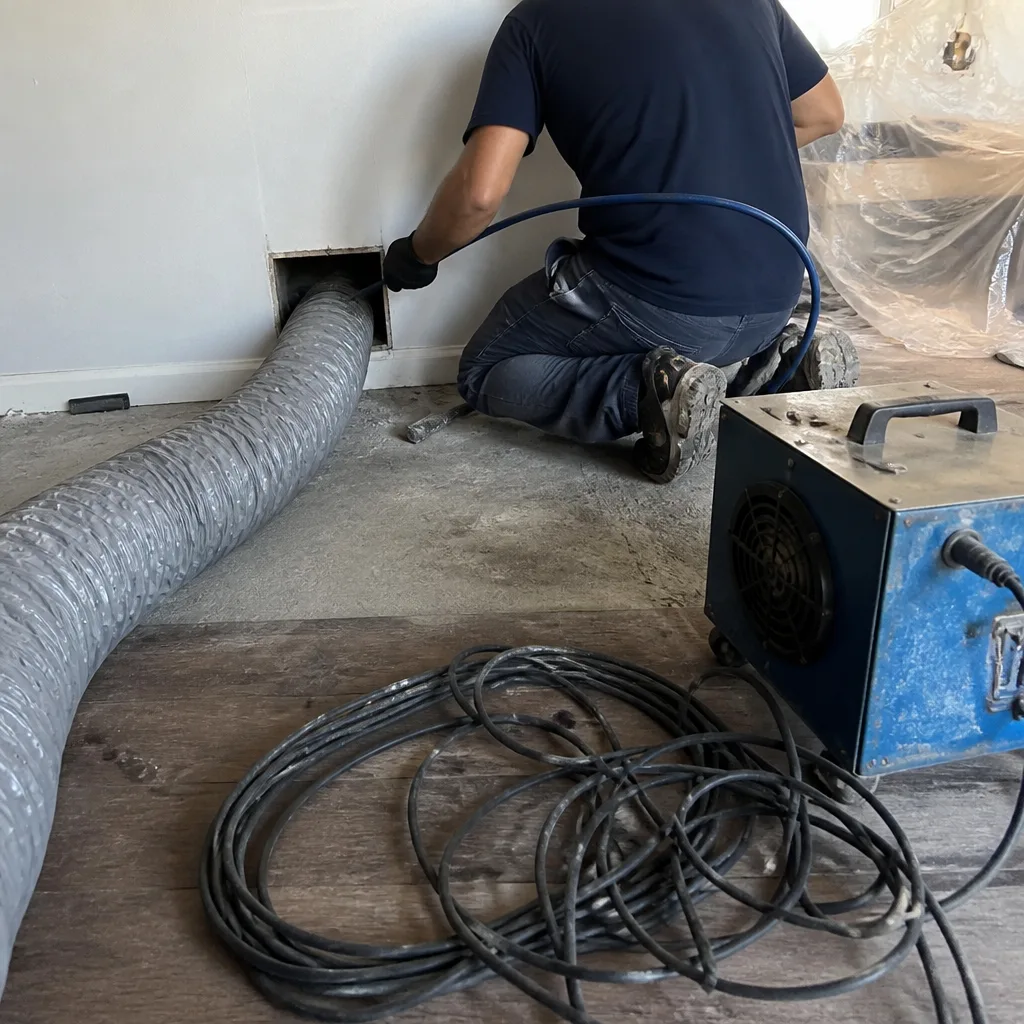 Before
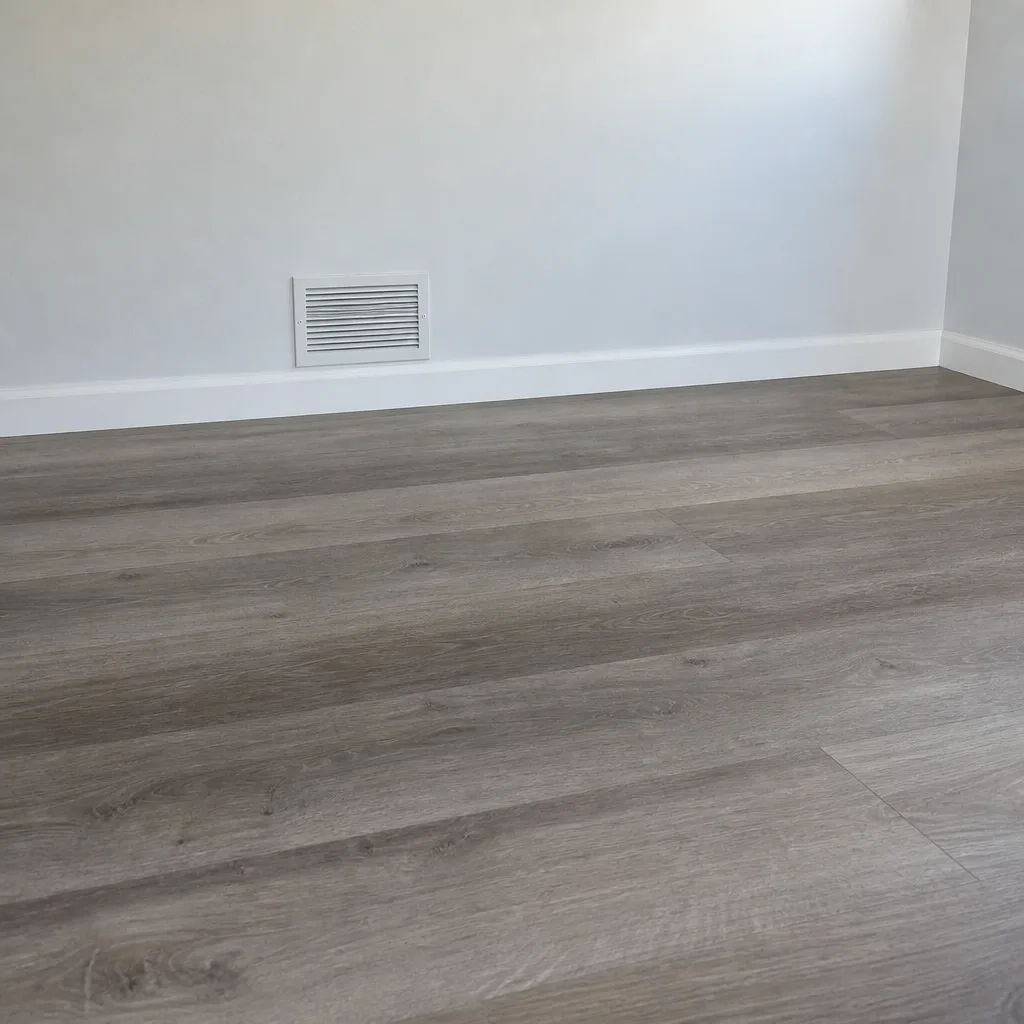 After
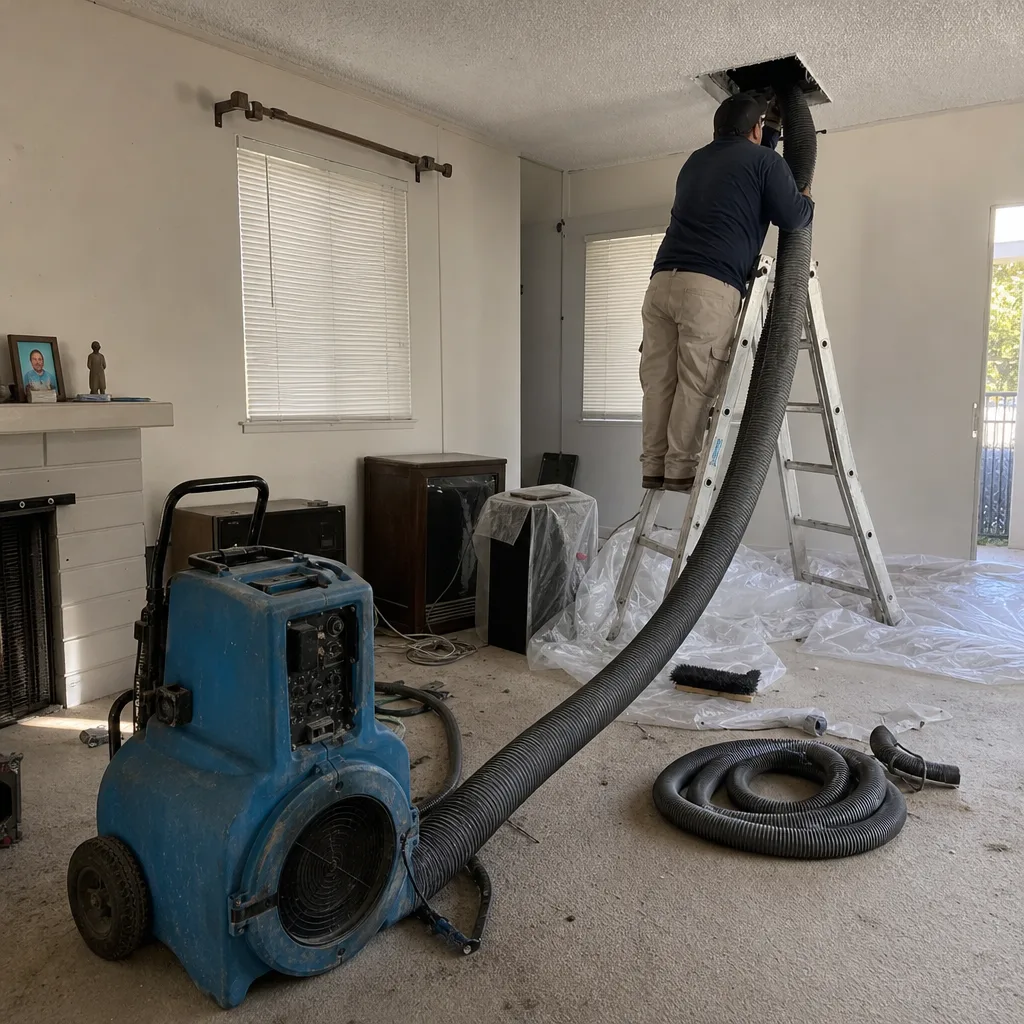 Before
 After
 Before
 After