
Last updated November 4, 2026
 Whole-home duct cleaning
 Dryer vent cleaning
 Camera inspection
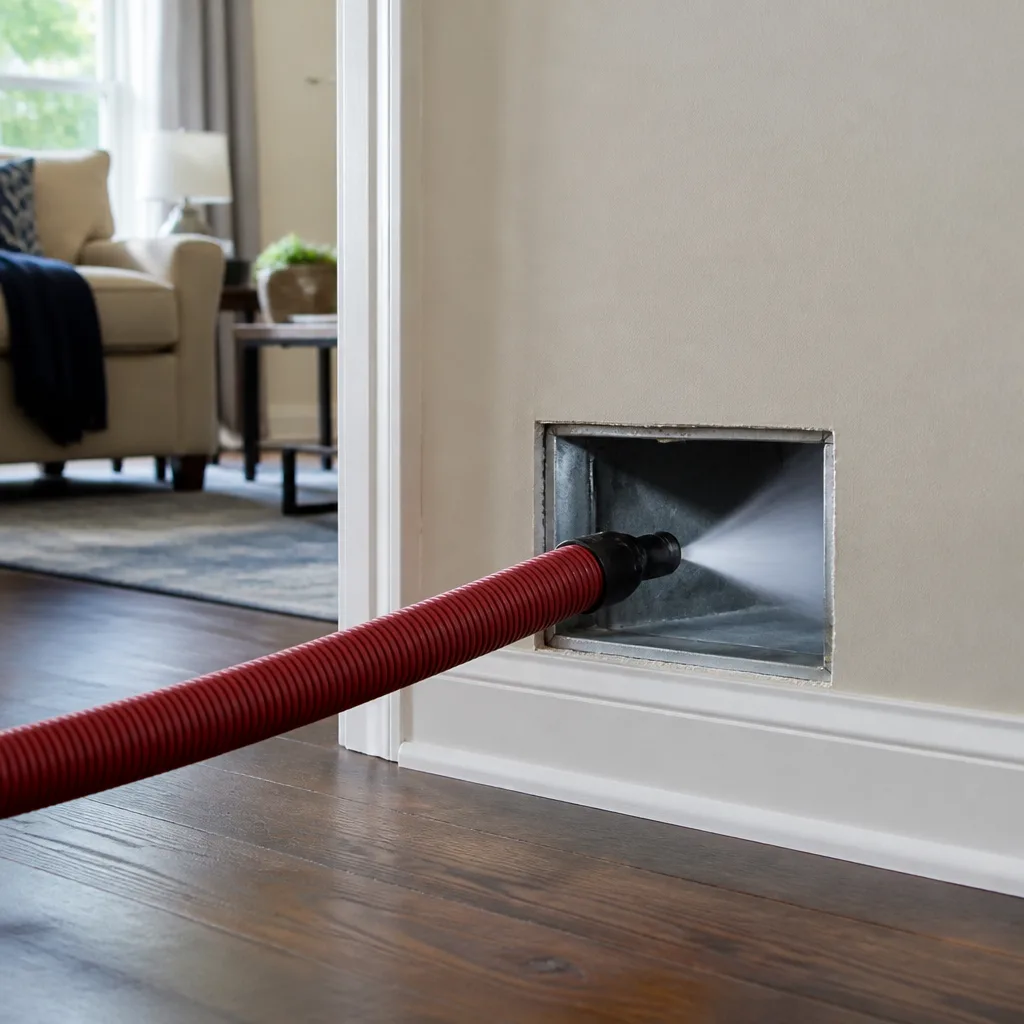 Sanitizing & deodorizing
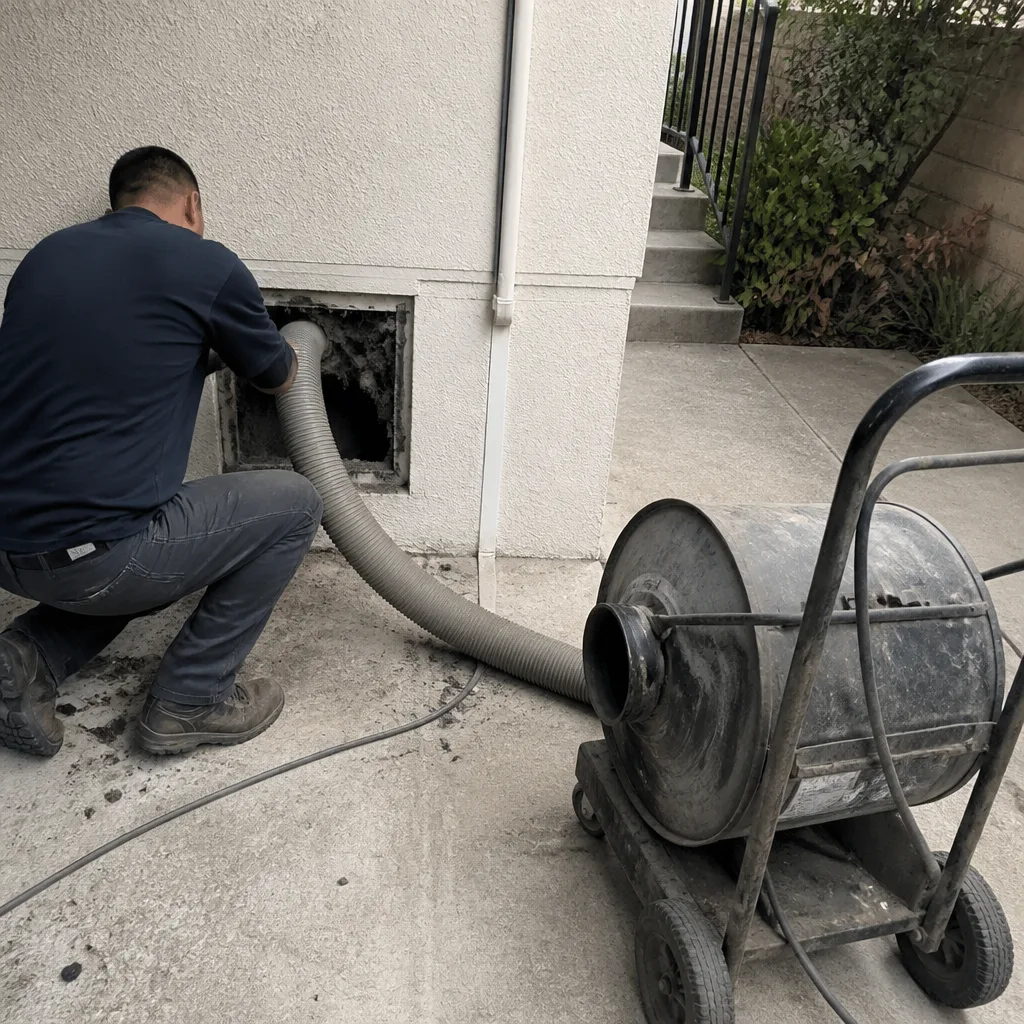
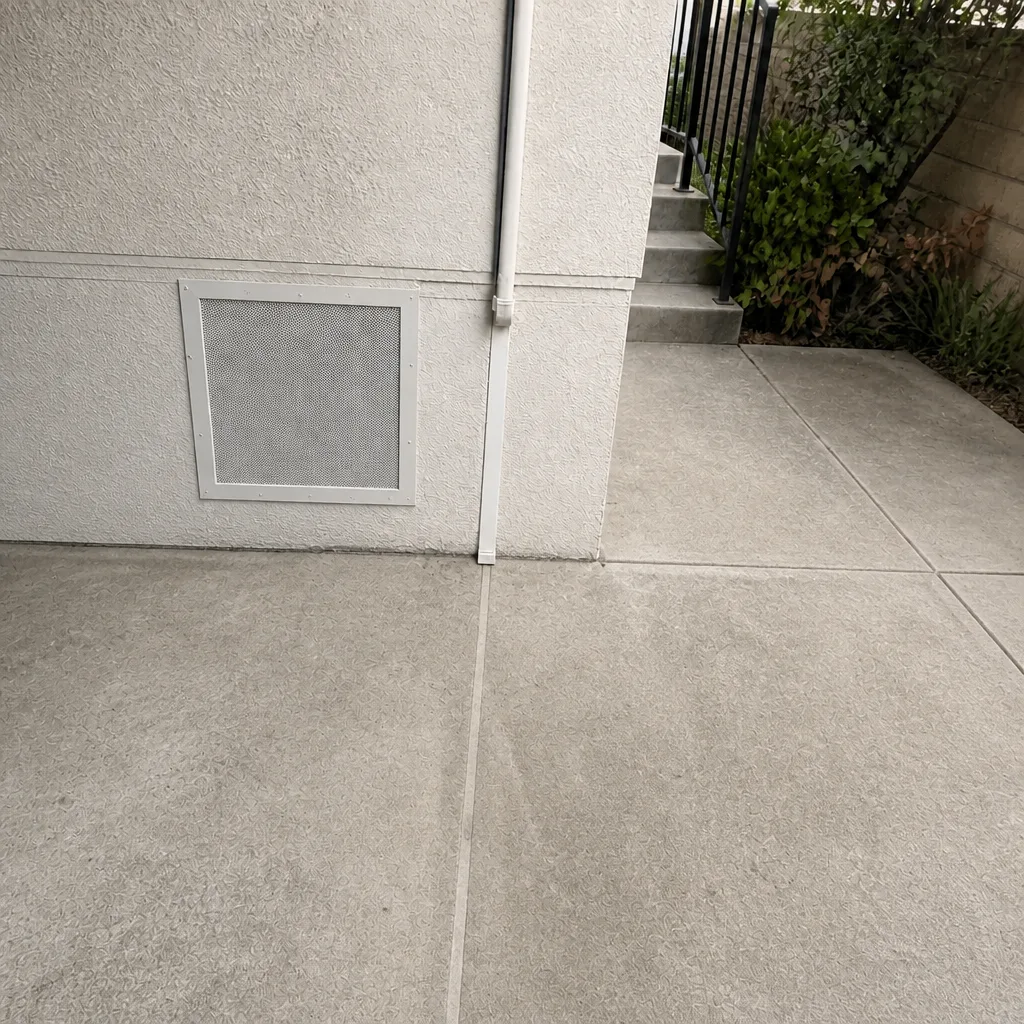
Whole-system duct and dryer vent check with before-and-after photos - you see exactly what came out of your vents
That "$99 whole-house special" is a bait ad - the real number appears once they are in your hallway, or the "clean" is a shop-vac at the register. We photograph the inside of your ducts before and after instead.
Air Duct Cleaning Permits, Codes & Inspections in Lakewood, CA: What You Need to Know
Most Lakewood homeowners call a duct cleaning company expecting a straightforward service: vacuum the vents, change the filter, done. But here’s the part nobody tells you until a home inspector flags it two years later at resale: the cleaning itself is maintenance, while the repairs that cleaning often reveals are construction. If a technician cuts into a duct, reconnects a separated flex run, or replaces a section of damaged trunk line, that work falls under the California Mechanical Code. And the liability for unpermitted work doesn’t follow the contractor who did it. It follows the property. This guide explains exactly where the line sits between maintenance and regulated work in Lakewood, what the City actually requires, and how to protect yourself with the right paperwork.
Styles & brands we work with
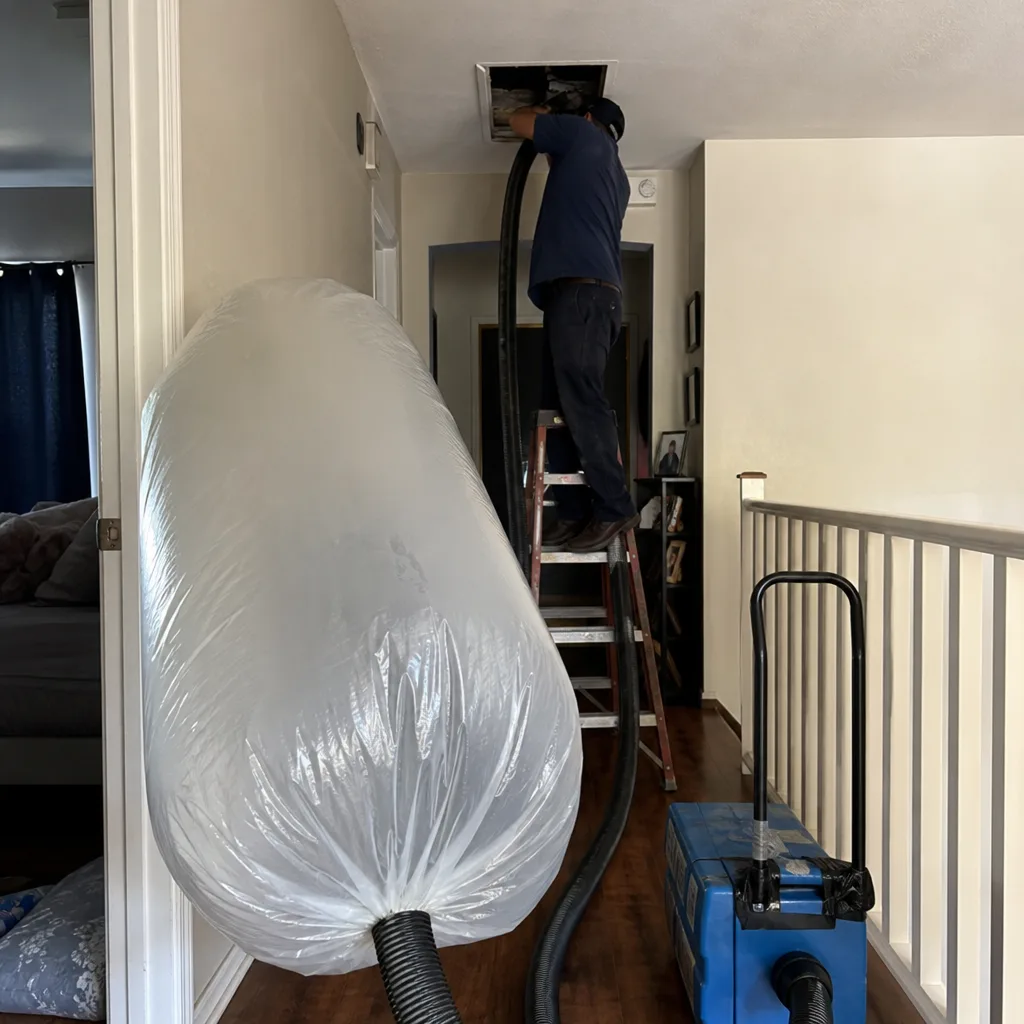
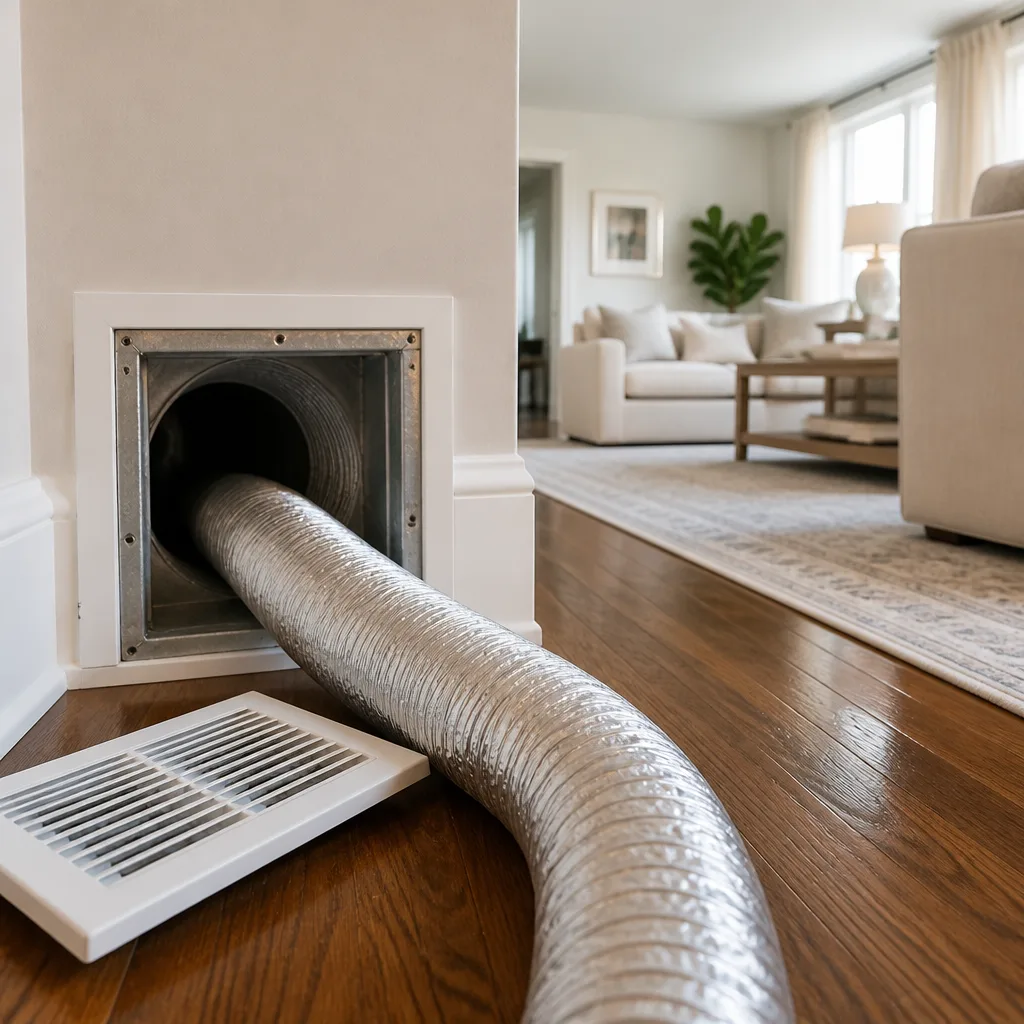
- Whole-home duct cleaning
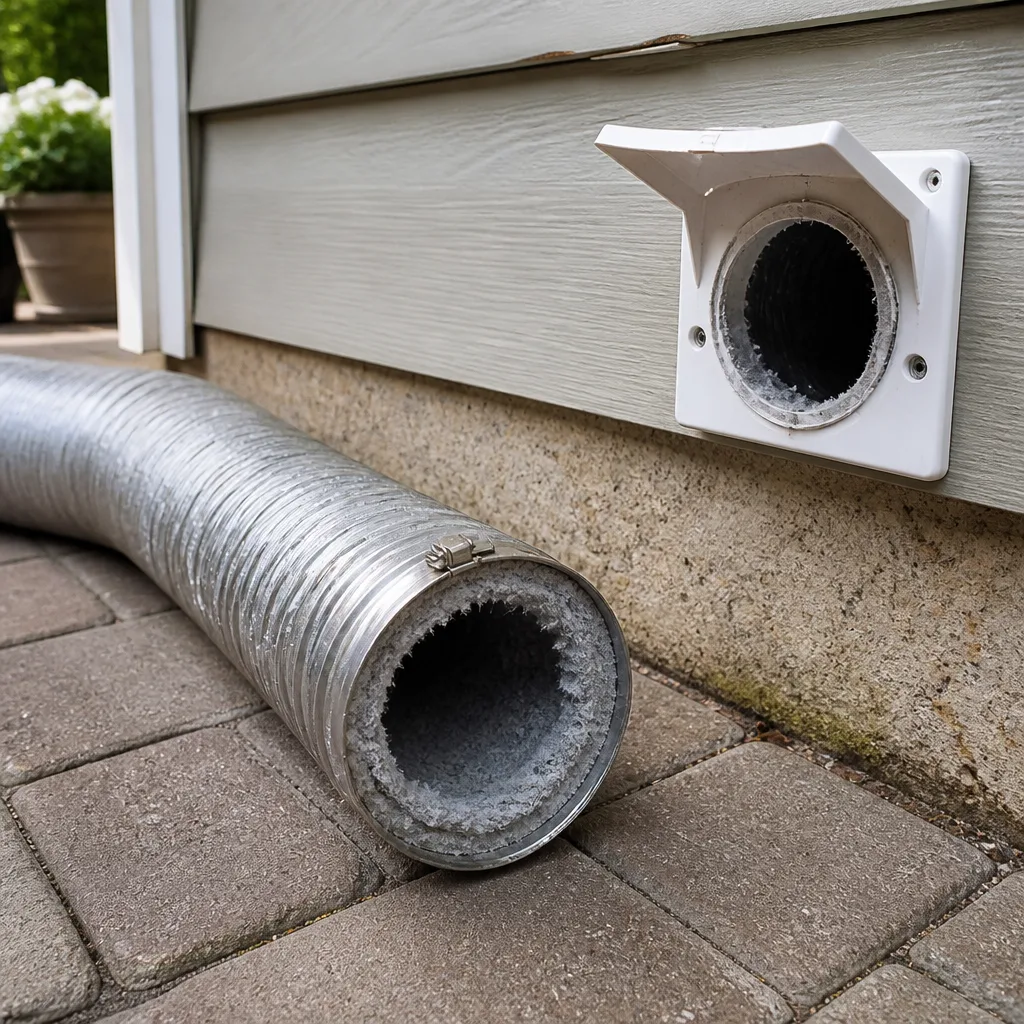
- Dryer vent cleaning
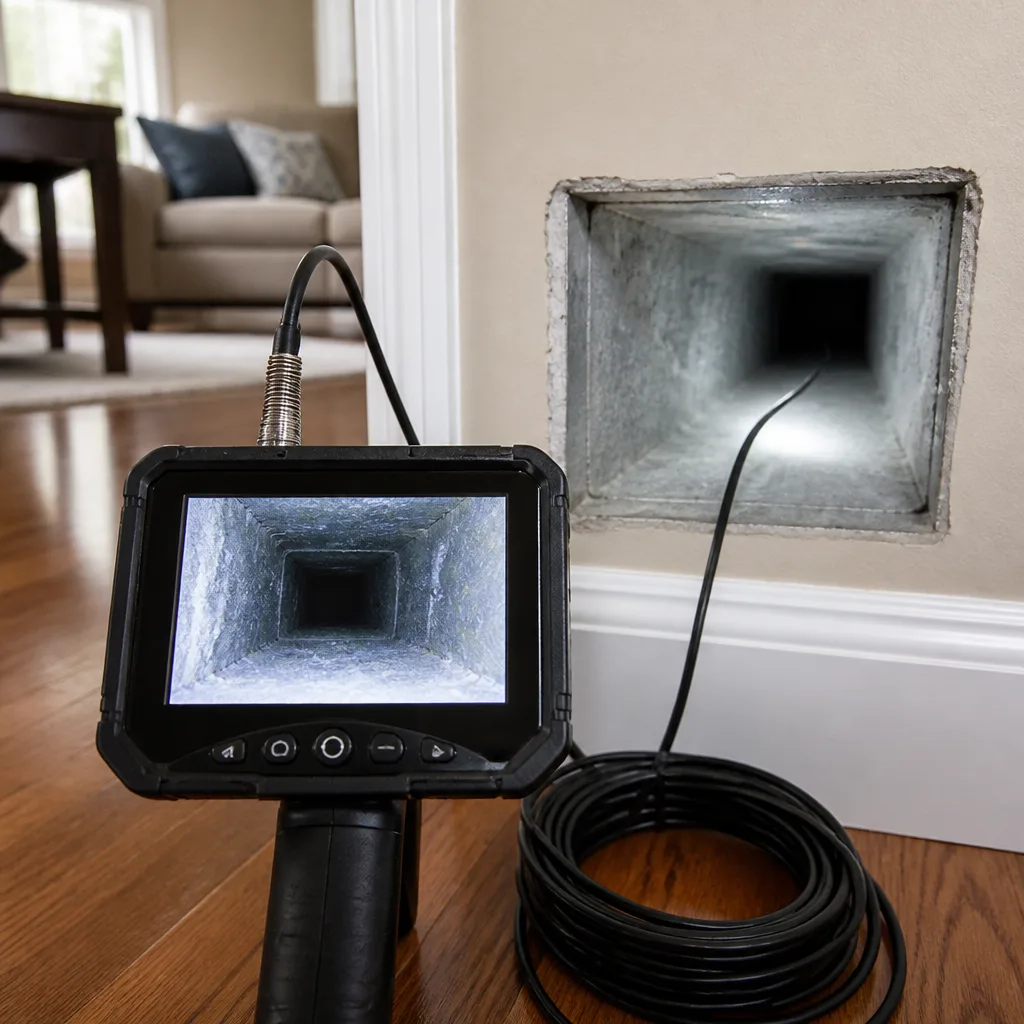
- Camera inspection
- Sanitizing & deodorizing
Quick Answer
Routine air duct cleaning in Lakewood, CA does not require a city permit because it is classified as maintenance, not construction. However, duct repair, replacement, reconnection, or sealing that involves modifying the air distribution system does require a permit from the City of Lakewood Building and Safety Division under the California Mechanical Code. Homeowners should always ask whether the work being scoped is cleaning or repair, because the answer determines who must pull permits and who holds liability if the work is later flagged during a home inspection.
Table of Contents
- The Line Between Maintenance and Construction
- What the City of Lakewood Building and Safety Division Requires
- How the California Mechanical Code Applies to Duct Work
- Title 24 and Duct Sealing: What Lakewood Homeowners Miss
- Why the Assessment vs. Repair Distinction Matters
- Documentation to Request After Permitted Duct Work
- Common Mistakes to Avoid
- When to Call a Professional
- Frequently Asked Questions
- The Bottom Line
The Line Between Maintenance and Construction
California building law draws a bright line between two categories of work, and understanding it will save you from a costly surprise. Maintenance is work that restores a system to its existing condition without altering its configuration. Construction is work that modifies, extends, or reconfigures a system. Air duct cleaning falls squarely in the first category. Vacuuming out dust, debris, and accumulated particulate matter from existing ductwork changes nothing about how the system is built. It is maintenance, and maintenance does not require a permit in Lakewood.
Repair work is where it gets complicated. If a technician discovers a disconnected flex duct in your attic during a cleaning and reconnects it, that is arguably maintenance. But if they cut a new opening in the plenum to add a supply run, replace a damaged section of trunk line with new material, or reconfigure the return air pathway, that is construction. Under the California Mechanical Code, construction work on an air distribution system requires a permit. The distinction matters because the City of Lakewood enforces the California Mechanical Code through its Building and Safety Division, and unpermitted construction work becomes a disclosure issue when you sell the home.
We’ve seen this play out repeatedly in Lakewood neighborhoods like Mayfair and Carson Park, where homes built in the 1950s and 1960s often have original duct systems that need more than a surface cleaning. A homeowner calls for air duct cleaning, the technician finds damage, and suddenly the scope of work changes. The homeowner who doesn’t ask the right questions at that moment ends up with unpermitted work in their attic.
What the City of Lakewood Building and Safety Division Requires
The City of Lakewood operates its own Building and Safety Division, which means permit requirements are enforced locally rather than through Los Angeles County. The division reviews permit applications for mechanical work, issues permits, and conducts inspections. For HVAC-adjacent work, the key question is whether the work modifies the air distribution system. Replacing a like-for-like section of duct may be handled as a repair permit. Reconfiguring duct runs, adding new supply or return lines, or substantially altering the system requires a mechanical permit.
Here is a practical breakdown of how Lakewood treats common duct-related work:
- Air duct cleaning only: No permit required. This is maintenance.
- Reconnecting a separated flex duct: No permit required if the system is restored to its original configuration.
- Replacing a damaged section of duct with equivalent material: Permit may be required, depending on scope. The City treats this as repair work, and a repair permit is typically needed if the section is part of the main trunk line or involves sheet metal fabrication.
- Adding new supply runs or moving registers: Permit required. This modifies the system design.
- Replacing the entire duct system: Mechanical permit required, along with Title 24 compliance documentation.
- Duct sealing using aerosol or mastic at joints: If done as part of a repair, may be included under a repair permit. If performed as a standalone energy retrofit, Title 24 documentation requirements apply.
The safest approach for any Lakewood homeowner is to call the Building and Safety Division directly and describe the work before anyone touches the ducts. City staff can tell you whether a permit is needed, what the fee schedule looks like, and how long review takes. Most cities in Los Angeles County follow similar mechanical codes, but Lakewood has its own inspection process, so don’t assume what applies in Long Beach or Cerritos applies here.
How the California Mechanical Code Applies to Duct Work
The California Mechanical Code, which is based on the Uniform Mechanical Code, governs the installation, alteration, and repair of HVAC systems throughout the state. Lakewood adopts this code by reference and enforces it through local amendments. The relevant sections for duct work cover material standards, installation methods, support requirements, and fire safety clearances. When a contractor performs duct repair or replacement, the work must comply with these code sections regardless of whether anyone notices.
The code is specific about what constitutes acceptable duct materials. Flexible ducts must be installed per manufacturer specifications and the code’s length and support limitations. Sheet metal ducts must meet thickness requirements based on their dimensions. All duct connections must be sealed with approved materials: mastic, foil tape with a UL listing, or aerosol sealant systems. Duct insulation in unconditioned spaces like attics must meet minimum R-value requirements, which ties directly into Title 24 energy standards.
One code requirement that surprises many Lakewood homeowners is the prohibition on using building cavities as ducts. An older home in the Lakewood Mutual Manor tract might have a wall cavity or floor joist bay serving as a return air pathway. That was common practice decades ago, but the current California Mechanical Code does not allow building cavities to be used as supply ducts. If a cleaning reveals this condition and a repair involves addressing it, the fix becomes a permitted alteration, not a maintenance task.
We always tell homeowners to think of it this way: the code cares about safety and performance, not about whether the work seemed minor at the time. A repair that looks small to the homeowner can still be a code violation if done incorrectly.
Title 24 and Duct Sealing: What Lakewood Homeowners Miss
California’s Title 24 energy standards impose separate requirements on duct systems beyond what the Mechanical Code covers. When duct work is installed, altered, or replaced in an existing home, the work must meet Title 24 requirements for duct leakage testing and insulation. This is not optional. The Contractor performing the work is responsible for verifying compliance through a HERS rater or, for smaller jobs, through specific testing protocols.
For a Lakewood homeowner, the practical implication is that significant duct repair or replacement triggers Title 24 compliance. That means the contractor should provide documentation showing the duct system meets leakage limits after the work is complete. Duct sealing work, particularly when done as an energy efficiency measure, must meet the same standards. The commonly cited leakage limit for altered duct systems in existing homes is 15% of system airflow under Title 24, though specific requirements vary by project scope and the compliance path chosen.
The connection between duct cleaning and Title 24 comes up when cleaning reveals problems that require repair. A homeowner in the Imperial Estates neighborhood might schedule a cleaning because of persistent dust, and the technician finds that half the return air is being pulled from the attic through separated joints. Fixing that is repair work. And that repair work, if it involves more than reconnecting a single joint, likely triggers Title 24 compliance. The homeowner who treats this as “just a quick fix” is setting up a future disclosure problem.
This is where working with a company that understands the full picture matters. At Fortress Air Duct Cleaning, we document what we find during every cleaning, so the homeowner has a clear record of what was maintenance and what needs repair work under permit. We do not perform unpermitted construction. If the work requires a permit, we tell you before any repair begins.
Why the Assessment vs. Repair Distinction Matters
The permit question only becomes real when the scope of work shifts from assessment to repair. A duct cleaning company performing an assessment is looking at the system, cleaning it, and reporting what they find. No permit is needed for that. The moment the company or a contractor begins modifying the system, the regulatory framework changes. Understanding this distinction matters for three reasons.
First, it determines who is legally responsible for pulling the permit. Under California law, the contractor performing construction work is responsible for obtaining the necessary permits. If a contractor performs repair work without pulling a permit and something goes wrong, the homeowner can face difficulty with insurance claims and resale disclosures. The permit is not a bureaucratic formality. It exists to ensure the work meets code, and it creates a public record of what was done.
Second, it affects your insurance. If unpermitted duct work contributes to a fire or other loss, the insurance company may dispute the claim. Duct systems are part of the home’s mechanical infrastructure, and insurers expect them to be maintained in compliance with code. A homeowner who cannot produce a permit for substantial duct repair has a gap in their home’s documented history.
Third, it matters at resale. The standard California home sale disclosure asks sellers to disclose any work done without permits. Home inspectors in Lakewood regularly flag obvious duct modifications. If a seller cannot produce permits for that work, the buyer can demand repairs, credits, or even walk away. The cost of pulling a permit at the time of the work is almost always lower than the cost of addressing an unpermitted work issue during escrow.
Here are the steps we recommend for any Lakewood homeowner before duct repair begins:
- Ask the contractor directly: “Is this considered maintenance or construction under the California Mechanical Code?” Get the answer in writing.
- If construction, ask: “Will you be pulling a permit from the City of Lakewood for this work?” A legitimate contractor will say yes without hesitation.
- Verify the permit exists before work begins. Ask for the permit number and confirm it with Building and Safety.
- After the work, request a copy of the final inspection sign-off and keep it with your home records.
- If the contractor refuses to pull a permit for work that clearly requires one, find another contractor.
Documentation to Request After Permitted Duct Work
If you have duct repair or replacement work done under permit in Lakewood, the paperwork you collect afterward matters as much as the work itself. Here is what the paper trail should include. We tell every homeowner we work with to keep these records in a safe place, because they become part of the home’s story when it is time to sell.
Request the permit number and the Building and Safety Division’s final inspection approval. This confirms the work was reviewed and signed off. Request the contractor’s invoice specifying the scope of work in detail: what sections of duct were replaced, what materials were used, and what code sections the work complied with. If Title 24 compliance was triggered, request the HERS verification or equivalent testing documentation showing the duct system meets leakage requirements. If any repair work involved electrical connections, request documentation showing that portion of the work was performed under the appropriate electrical permit, which may be separate from the mechanical permit.
For homeowners with systems that include Honeywell or Aprilaire filtration components, keep records of any filter housing modifications or air cleaner installations performed during repair. These components interface with the duct system, and their installation can fall under the mechanical permit. Documentation that ties them to the permitted work keeps the record clean.
In our experience, homeowners who keep clean documentation of permitted work sell their homes faster and at better terms than those who have to explain a gap in the record. The Lakewood real estate market moves quickly, and buyers have inspection contingencies. A clean paper trail is an asset, not a formality.
Common Mistakes to Avoid
- Assuming all duct work is maintenance. Cleaning is maintenance. Repair, replacement, and reconfiguration are construction. The California Mechanical Code treats these differently, and so does the City of Lakewood. Ask the direct question before work begins.
- Accepting a contractor’s verbal assurance that no permit is needed without verification. Call Lakewood Building and Safety yourself. A five-minute phone call can prevent a five-figure disclosure problem later. Contractors who wave off permits are often either uninformed or trying to keep the job cheap.
- Treating duct sealing as a no-permit task in all cases. Standalone duct sealing as an energy retrofit can trigger Title 24 compliance requirements. Main trunk line sealing during repair is included in the repair permit. The homeowner who doesn’t ask which category applies is gambling.
- Failing to document what was done, even for maintenance. Every cleaning should produce a written report of what was found and what was done. That report is your evidence that the work performed was maintenance, not construction. If a home inspector later questions whether duct work was modified, your cleaning report is your answer.
- Ignoring the distinction between assessment and repair. A cleaning company performing assessment is not the same as a contractor performing repair. The permit obligation attaches to the repair, not the assessment. Homeowners who understand this distinction can have a cleaning done without any permit exposure, then make an informed decision about repair work separately.
- Hiring the lowest bidder for duct repair because “it’s just duct work.” Duct systems are part of the home’s mechanical infrastructure. Substandard repair work that fails to meet code creates a liability that compounds over time. The contractor-grade equipment distinction matters here: a company using Rotobrush and Nikro tools during cleaning is operating at a different level than a shop-vac operation, and the same standard should apply to whoever performs repairs.
When to Call a Professional
If a home inspection or a cleaning has revealed damaged, disconnected, or deteriorating duct work in your Lakewood home, do not attempt DIY repairs on sheet metal, flex duct, or plenum connections. Duct systems move conditioned air through your home, and improperly sealed or supported ducts leak air into attics and crawl spaces, wasting energy and drawing in contaminants. Worse, duct work in unconditioned attics gets hot in Southern California summers, and materials degrade. A professional assessment tells you whether you are looking at maintenance or construction before any work happens.
Dryer vent cleaning is a separate service with its own code considerations, and it deserves the same professional attention. Fortress Air Duct Cleaning offers free estimates in Lakewood. We’ll assess the system, tell you what is maintenance, what needs repair, and what would require a permit if you choose to proceed. Call (833) 593-4030. We answer 24/7. Fast dispatch from 7am to 7pm, Sunday through Friday.
Frequently Asked Questions
No, routine air duct cleaning does not require a permit in Lakewood because it is classified as maintenance, not construction. The cleaning process vacuums out existing ductwork without modifying the system configuration. If the cleaning reveals damage that requires repair, replacement, or reconfiguration, that subsequent work may require a permit from the City of Lakewood Building and Safety Division. Call (833) 593-4030 to discuss what your specific system needs.
Duct work that modifies, reconfigures, or replaces the air distribution system requires a permit in Lakewood. This includes adding new supply runs, moving registers, replacing trunk line sections, and full duct system replacement. Reconnecting a separated flex duct to its original configuration is generally treated as maintenance, not construction. When in doubt, call Lakewood Building and Safety for a determination before work begins.
Title 24 energy standards require duct work that is installed, altered, or replaced in existing homes to meet leakage and insulation requirements. Significant duct repair or replacement typically triggers Title 24 compliance, which means the contractor should provide verification documentation after the work is complete. Duct sealing performed as an energy retrofit also falls under Title 24 when it is a standalone measure. Fortress Air Duct Cleaning documents what we find so homeowners know when repair work crosses into Title 24 territory.
The contractor performing construction work is legally responsible for pulling the necessary permit in California. However, the liability for unpermitted work ultimately falls on the homeowner, because it attaches to the property. Always verify that a permit exists before repair work begins and keep the final inspection sign-off with your home records.
It can. Home inspectors look for obvious duct modifications, particularly in attics where older Lakewood homes have exposed duct runs. If duct work was obviously added, moved, or replaced and the seller cannot produce a permit, the buyer may demand repairs or concessions. The California disclosure process requires sellers to reveal unpermitted work, and failing to do so creates legal exposure. Clean documentation of maintenance work, like cleaning reports, also helps distinguish maintenance from construction.
No, dryer vent cleaning is maintenance and does not require a permit. The service removes lint buildup from the vent path to reduce fire risk. However, if the dryer vent itself is damaged, improperly routed, or made of non-compliant material, repair or replacement work may require a permit. Fortress offers dryer vent cleaning as a dedicated service, and we’ll tell you if we find conditions that require repair beyond cleaning. Call (833) 593-4030 for a free estimate.
The Bottom Line
Air duct cleaning in Lakewood is maintenance, and maintenance does not need a permit. But the moment the scope shifts to repair, replacement, or reconfiguration of the duct system, the California Mechanical Code and the City of Lakewood Building and Safety Division come into play. The homeowner who understands this distinction can schedule a cleaning with complete confidence, then make informed decisions about any repair work that surfaces. Ask the direct question: is this maintenance or construction? Get the answer in writing. Verify any permit before work begins. Keep the final inspection sign-off with your home records. That is how you protect yourself from unpermitted work liability, and it is the standard we hold ourselves to on every job.
Written by the team at Fortress Air Duct Cleaning, serving Lakewood since 2017.
See the difference
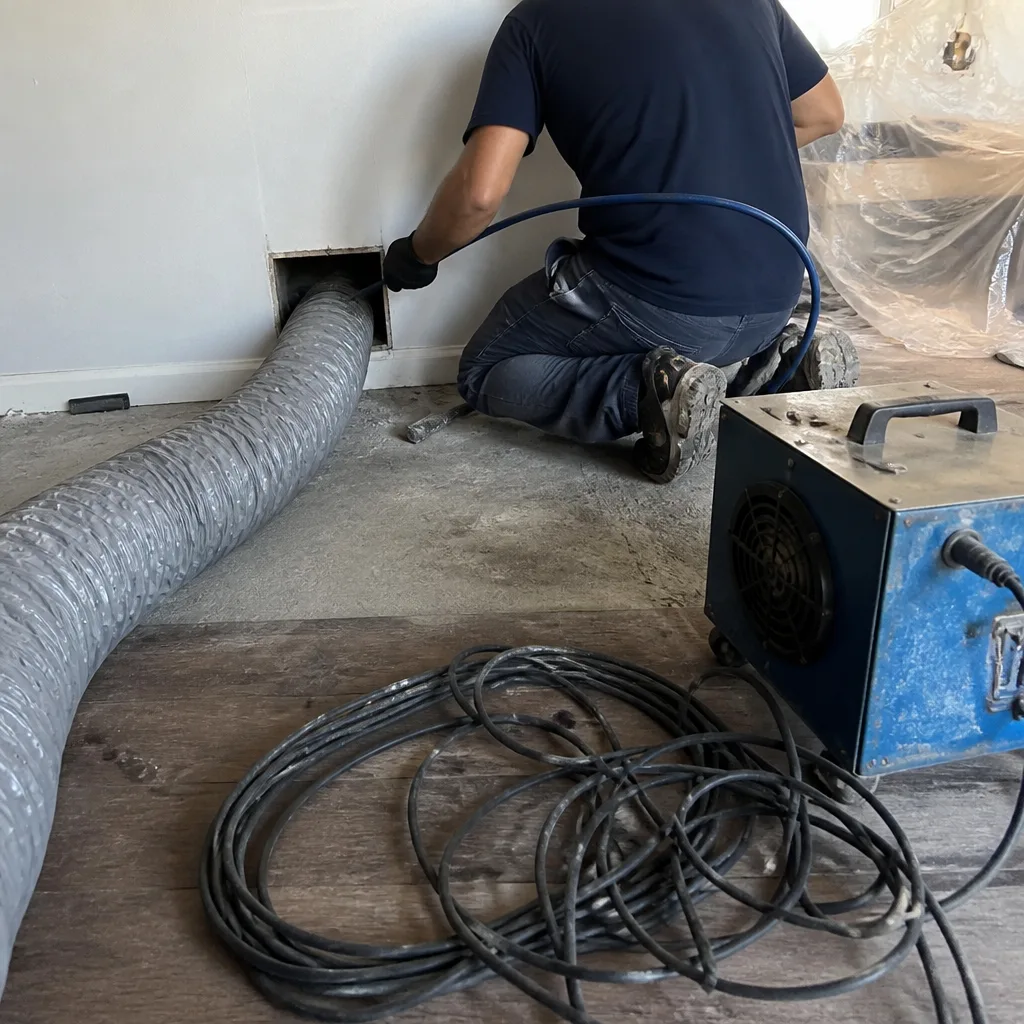 Before
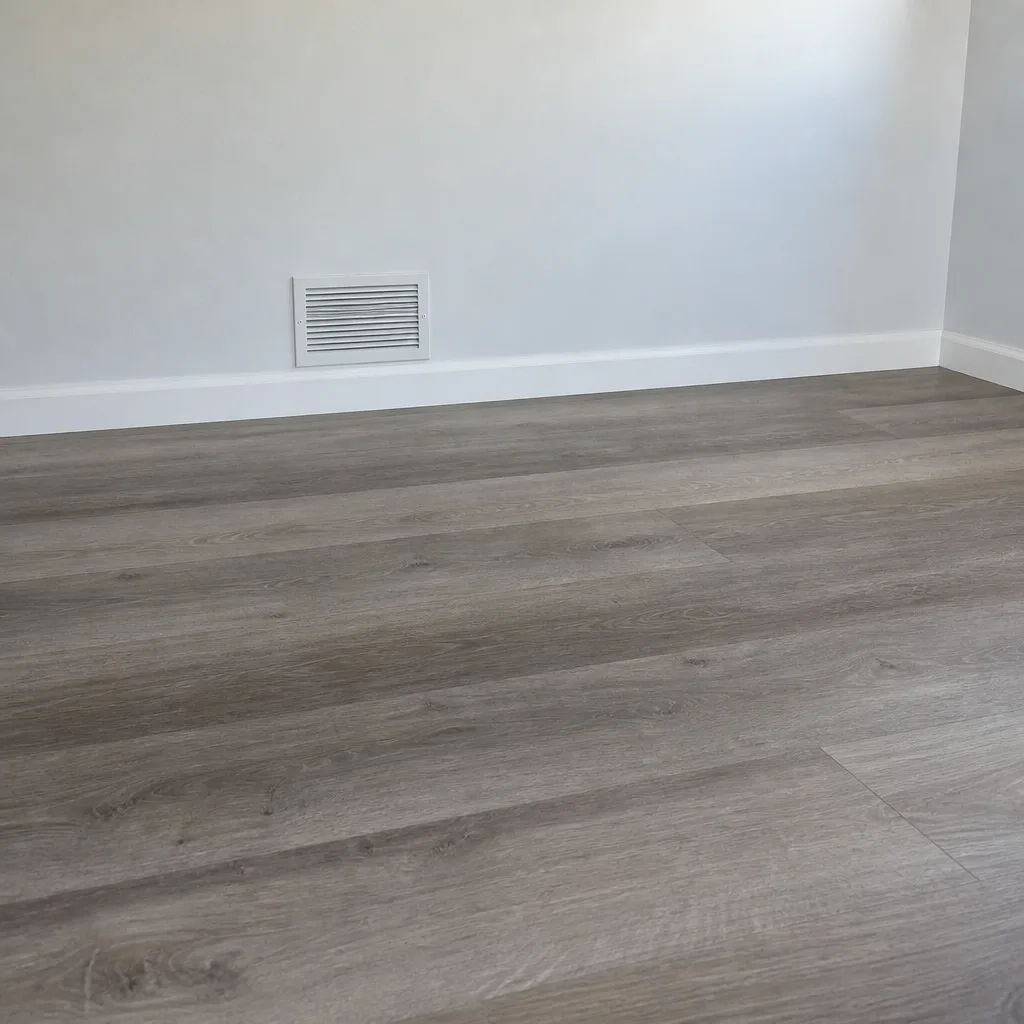 After
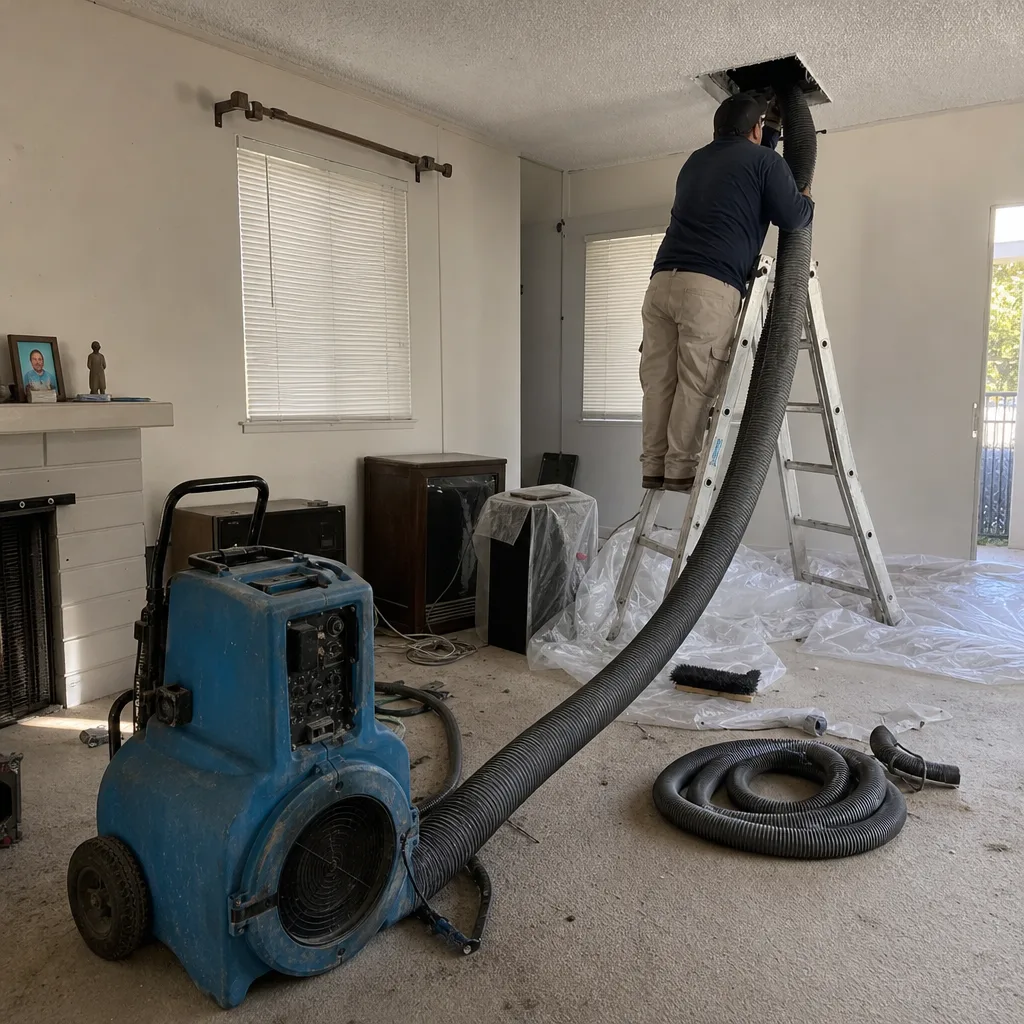 Before
 After
 Before
 After