
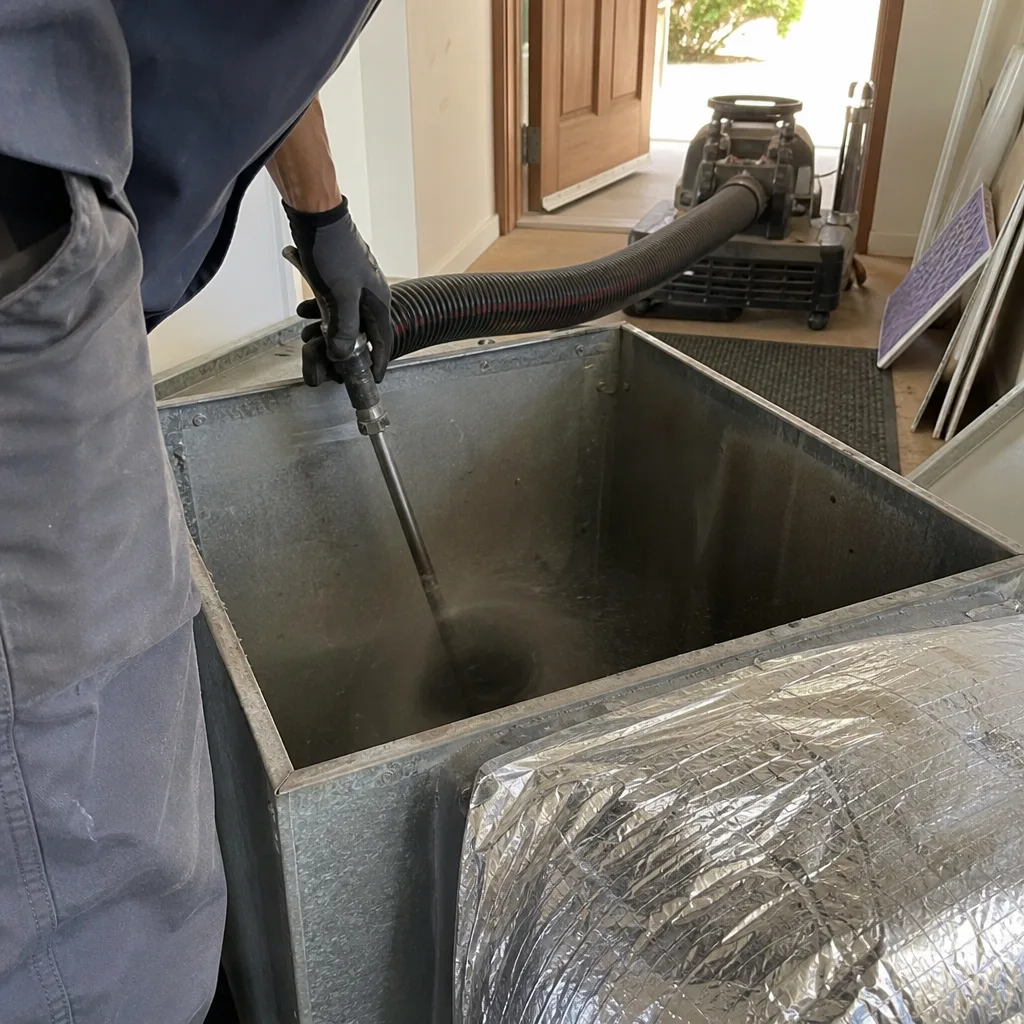
Last updated November 4, 2026
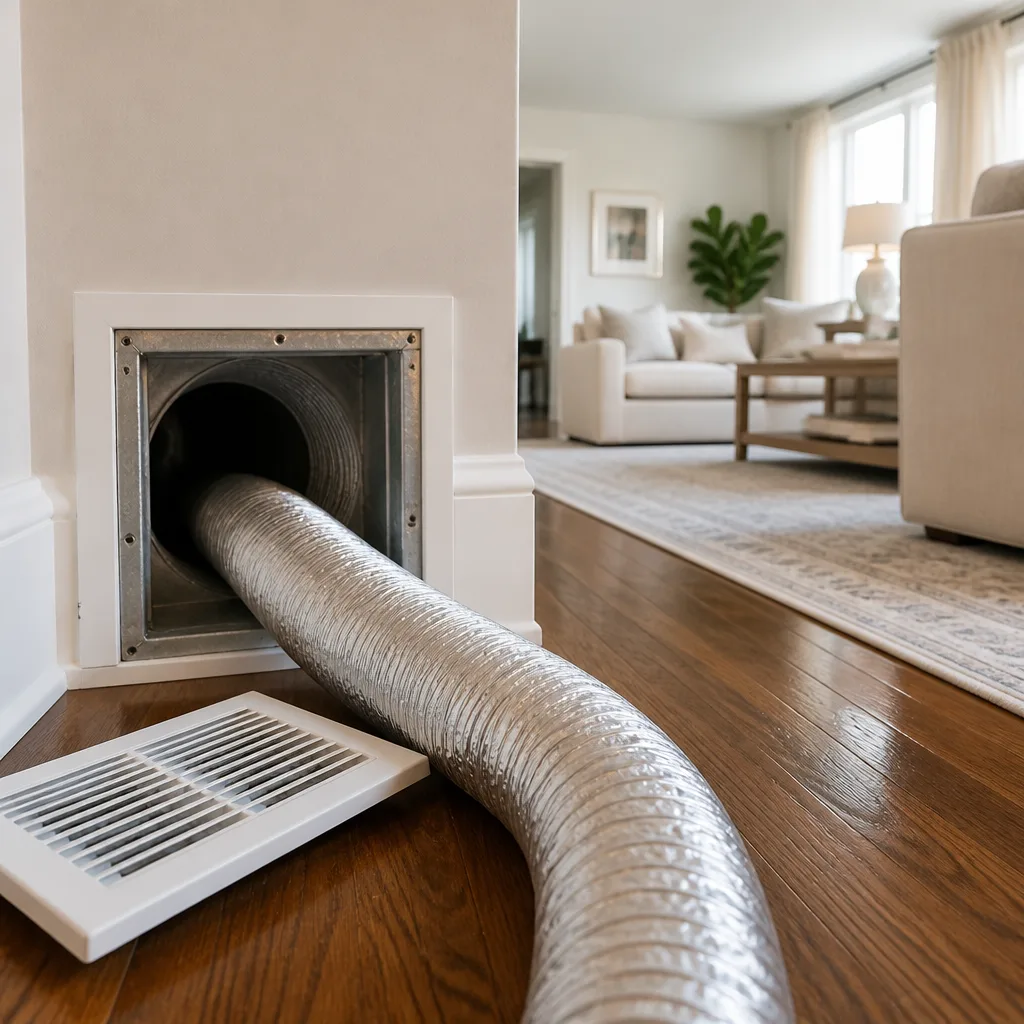 Whole-home duct cleaning
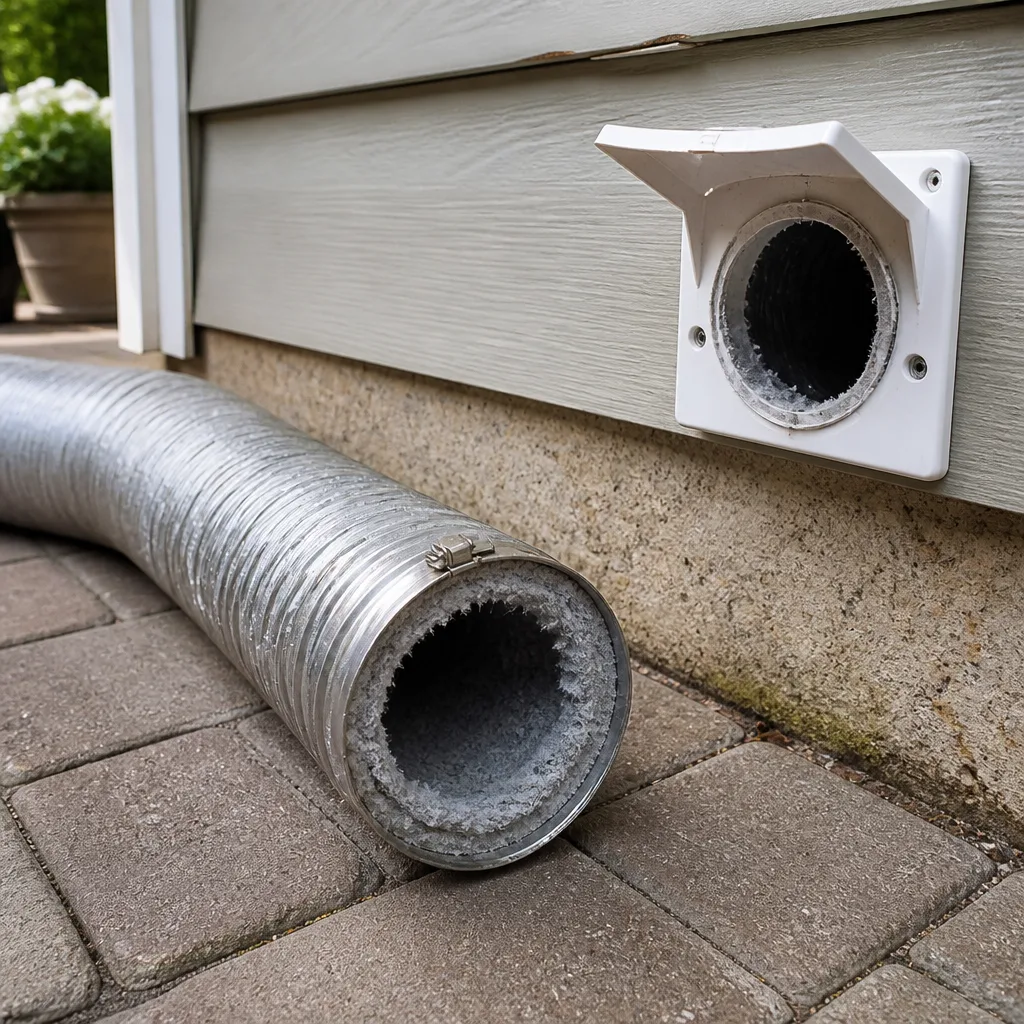 Dryer vent cleaning
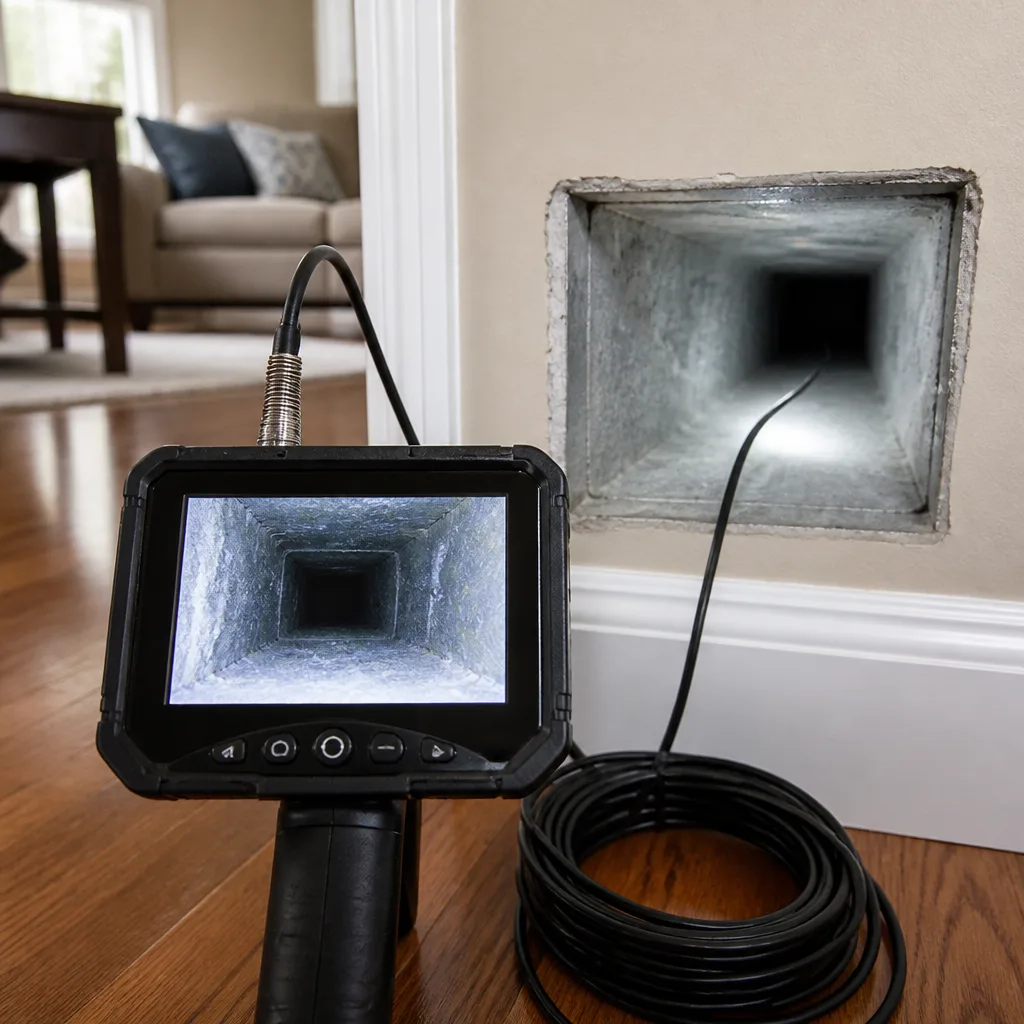 Camera inspection
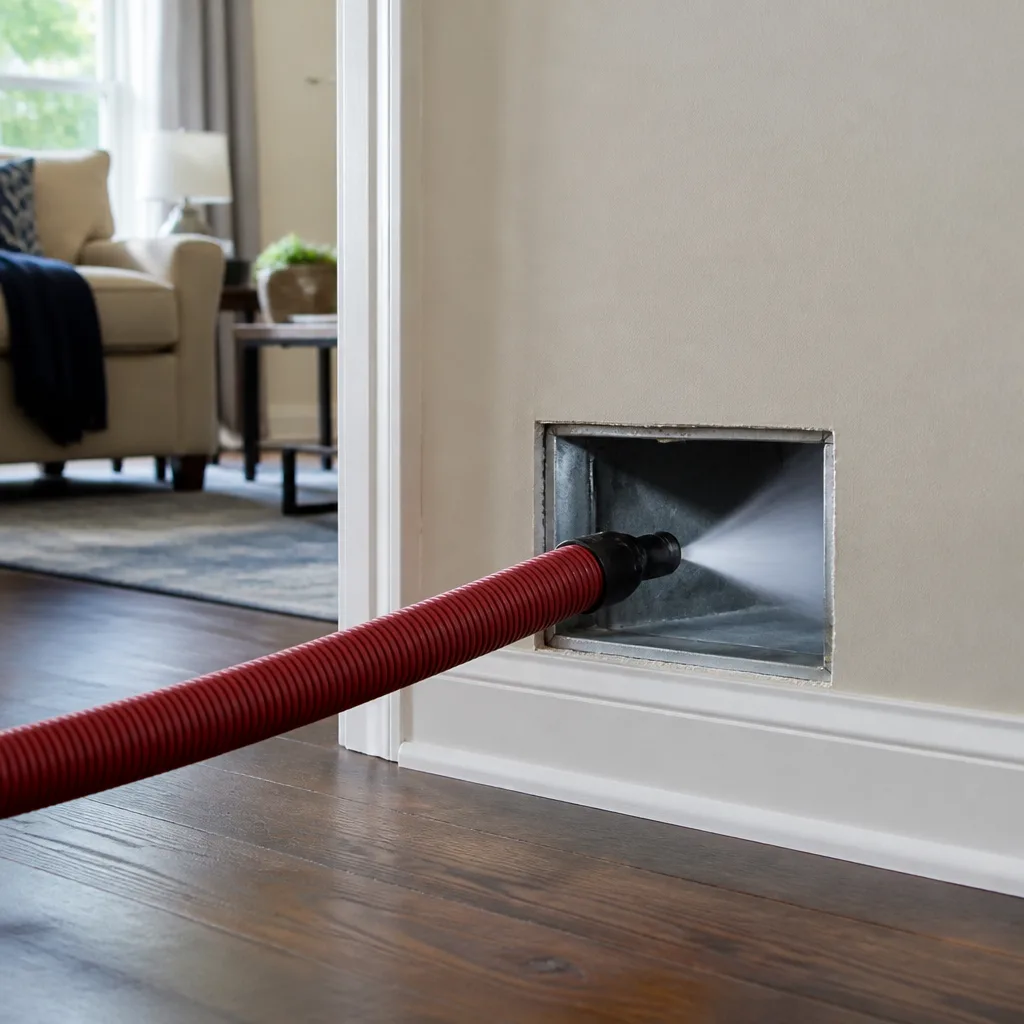 Sanitizing & deodorizing
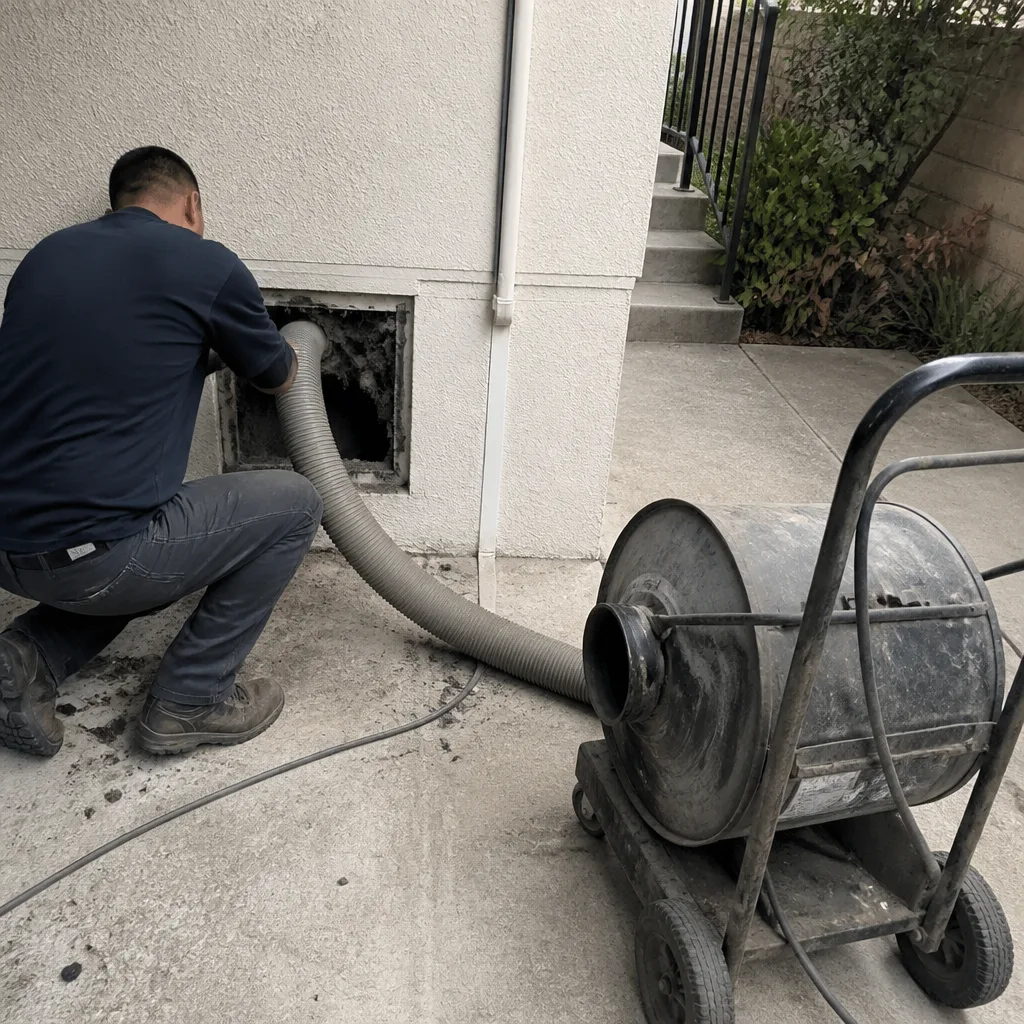
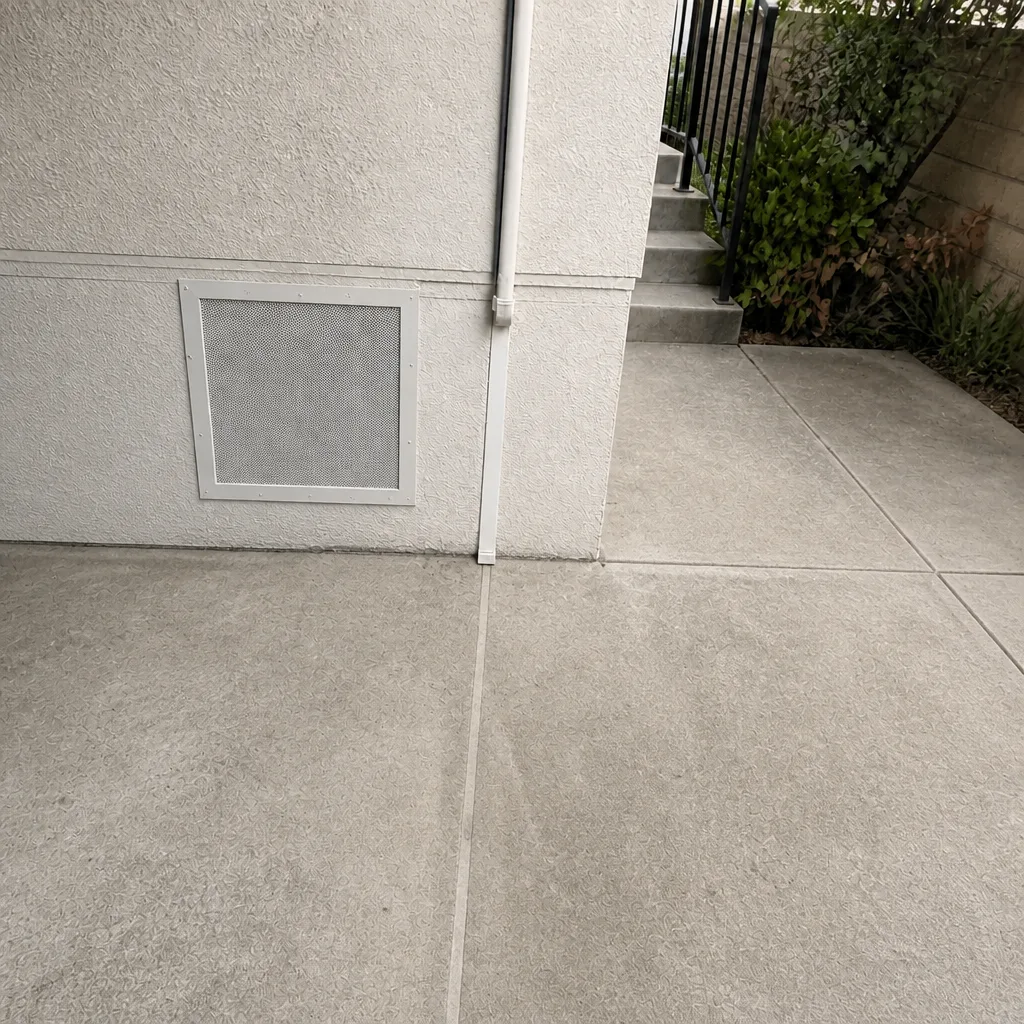
Whole-system duct and dryer vent check with before-and-after photos - you see exactly what came out of your vents
That "$99 whole-house special" is a bait ad - the real number appears once they are in your hallway, or the "clean" is a shop-vac at the register. We photograph the inside of your ducts before and after instead.
Air Duct Cleaning Troubleshooting in Lakewood: Common Problems and How to Fix Them
If your vents are blowing weak air after a recent cleaning, the cleaning didn’t fail. A disconnected duct section, a collapsed flex run, or a leaking plenum likely existed before anyone showed up, and the technician either missed it or didn’t tell you. Most duct problems homeowners blame on the HVAC unit are actually duct-system failures that cleaning alone won’t fix without first diagnosing the root cause. This guide teaches Lakewood homeowners how to read the symptoms their ducts are broadcasting before calling anyone. You’ll learn to distinguish a dirty duct problem from a damaged duct problem, what Lakewood’s specific climate does to ductwork, and when cleaning is the right call versus when repair is the only honest answer.
Quick Answer
Air duct cleaning problems in Lakewood usually trace to one of three root causes: accumulated debris restricting airflow, moisture intrusion causing microbial growth or duct deterioration, or physical damage like disconnected or collapsed duct sections. Cleaning fixes the first. Repair fixes the second and third. The key diagnostic question is whether your symptoms appeared gradually over months (suggesting buildup) or suddenly in one or two rooms (suggesting damage). If airflow dropped sharply in a single room while others remain normal, you’re almost certainly looking at a damaged duct, not a dirty one. Call Fortress Air Duct Cleaning at (833) 593-4030 for a free estimate. We answer 24/7. Fast dispatch from 7am to 7pm, Sunday through Friday.
Styles & brands we work with
- Whole-home duct cleaning
- Dryer vent cleaning
- Camera inspection
- Sanitizing & deodorizing
Table of Contents
- How to Tell a Dirty Duct Problem from a Damaged Duct Problem
- Lakewood-Specific Triggers: What Our Climate Does to Ductwork
- Reading Your Airflow: The Feels, the Numbers, the Patterns
- What a Post-Cleaning Inspection Should Reveal (and How to Verify It)
- When Duct Sealing or Section Replacement Is the Actual Fix
- The Troubleshooting Decision Tree: Symptom to Fix
- Common Mistakes to Avoid
- When to Call a Professional
- Frequently Asked Questions
How to Tell a Dirty Duct Problem from a Damaged Duct Problem
The single most useful skill in air duct cleaning troubleshooting is learning to read the difference between what dirt does to a system and what damage does. They produce overlapping symptoms but require completely different responses. A dirty duct reduces airflow gradually. A damaged duct reduces it suddenly. That one distinction resolves most confusion before a technician ever shows up.
Three diagnostic signals to check yourself
- Airflow feel at the register. Hold your hand six inches from a vent. In a clean, intact system, you should feel a steady, even push of air when the blower runs. If the air feels consistently weak across every register, that points to system-wide restriction, often heavy debris accumulation in the main trunk or a clogged filter. If one register feels dramatically weaker than its neighbors in other rooms, that points to damage in that specific branch run.
- Temperature variance per room. Close your doors and let the system run for an hour on a warm afternoon. Then walk room to room. A two to three degree difference between rooms is normal in most Lakewood homes. A ten degree difference is not. Rooms that lag consistently are usually starved for airflow, and the cause is often a collapsed flex run or a disconnected section bleeding conditioned air into the attic or wall cavity instead of the room.
- Visible register debris patterns. Look at the vent covers themselves. A fine, uniform dust coating is normal and means your system is circulating air, which it should. What’s not normal is debris that looks granular, like sand or drywall dust, blowing out of specific registers. That pattern suggests debris is entering the duct system from somewhere it shouldn’t, often a gap, a disconnected joint, or a return pulling from an unfinished space.
In our experience, the hardest call for a homeowner to make isn’t whether the ducts need attention. It’s whether that attention should be cleaning, repair, or both. The airflow feel test gets you 80 percent of the way there before you spend a dollar.
Lakewood-Specific Triggers: What Our Climate Does to Ductwork
Lakewood’s climate is mild by most standards, but it has two characteristics that create predictable duct problems. First, the humidity cycle here is more active than people expect. Mornings can carry significant moisture, especially in the shoulder seasons, and that moisture finds its way into duct systems through small leaks and gaps. Second, many Lakewood homes are slab-on-grade construction with under-slab duct runs, a design that was common in mid-century Southern California and that creates a specific set of failure patterns.
Moisture and flex duct
Flex duct, the flexible insulated tubing used in most residential systems, has a foil or plastic outer jacket and an inner liner. When the outer jacket is compromised, even slightly, humid air from unconditioned spaces gets pulled inside the insulation layer. That moisture sits against the inner liner, and in Lakewood’s warm months, it creates an environment where microbial growth can establish itself in the fibrous insulation. You may never see it. What you’ll notice is a musty smell when the system runs, or a gradual decline in air quality in the home. Cleaning the inner surface of flex duct that has taken on moisture inside its insulation layer does not fix the problem because the problem is the insulation itself. The run typically needs replacement.
Under-slab duct runs
Older Lakewood homes built on slabs often have duct runs embedded in or directly beneath the concrete. These runs were sometimes made of materials that degrade over decades. As they settle, they can compress, crack, or separate at the joints. Under-slab runs are also vulnerable to moisture intrusion from the soil, and in a slab design, any water that enters a duct run tends to sit there. Homeowners usually discover an under-slab problem when airflow to one part of the house fails completely or when they notice a musty odor that cleaning does not eliminate. This is not a cleaning problem. It requires locating the failed section, which sometimes means cutting access points, and replacing the run.
Reading Your Airflow: The Feels, the Numbers, the Patterns
Every duct system talks. The trick is learning what the common complaints actually mean. Here are the patterns we look for when a Lakewood homeowner describes what’s happening in their house.
- Weak airflow in every room, all the time. This is usually a system-restriction problem, not a duct damage problem. Common causes include a blower set to the wrong speed, a filter that hasn’t been changed in months, or a return-side restriction. A heavy debris load inside the main trunk will also produce this pattern. Cleaning is often the right first step, but only after verifying the filter and blower settings are correct.
- Weak airflow in one room, strong everywhere else. This is the classic signature of a branch-run failure. Somewhere between the main trunk and that register, the duct has collapsed, disconnected, or become crushed. The air is still moving; it’s just moving into the attic, the wall, or the slab instead of the room. Cleaning will not restore airflow to that room. The damaged section must be found and repaired or replaced.
- Airflow that feels strong at the register but doesn’t cool or heat the room. This points to a duct leak close to the register or a room-level air balance problem. If the air coming out is cool but the room still won’t hold temperature, check the return path. Rooms with closed doors and no return register can’t exchange air properly, and the conditioned air blows right past.
- Airflow that’s fine in summer but barely there in winter, or vice versa. In a mild climate like Lakewood’s, this often points to duct runs that are only partially connected and shift with temperature changes. As metal expands and contracts, a marginal joint can open enough to leak. It’s subtle, intermittent, and easy to misdiagnose as an equipment problem.
- Whistling or rushing sounds near certain registers. Air moving through an undersized or partially blocked duct creates turbulence you can hear. This is not a cleaning issue by itself, but it’s worth investigating. Sometimes the fix is rebalancing dampers. Sometimes it’s a section of duct that has been crushed by someone stepping on it in the attic.
What a Post-Cleaning Inspection Should Reveal (and How to Verify It)
If you’ve already had your ducts cleaned and symptoms persist, you need a way to verify whether the cleaning was done correctly. The most useful test is something you can do yourself 48 hours after service. We call it the white cloth register test.
The white cloth register test, step by step
- Wait 48 hours after the cleaning. This gives any disturbed particles time to settle and the system time to return to normal operation.
- Turn your system fan on, not necessarily heating or cooling. Most thermostats have a fan-only setting.
- Lay a clean white cloth, like a washcloth or an old t-shirt scrap, across a register in the main living area. Secure it with something light so it doesn’t blow off.
- Leave it for 30 minutes while the fan runs.
- Check the cloth. A properly cleaned duct system should leave at most a faint film of very fine dust. If the cloth comes back with visible debris, grit, or dark particles, the cleaning missed something or there’s an active source of contamination still feeding the system.
This test is not a substitute for a professional inspection, but it gives you an objective baseline. A credible cleaning should produce a system where the air leaving your registers is measurably cleaner than the air that was moving through them before. If it doesn’t, something in the process failed, whether that’s equipment shortcuts, insufficient agitation, or an underlying problem that cleaning alone cannot address.
When Duct Sealing or Section Replacement Is the Actual Fix
One of the most honest things we tell Lakewood homeowners is this: cleaning is not a repair. It removes the debris that has accumulated on the surfaces of your duct system. It does not seal leaks, restore collapsed sections, or replace deteriorated materials. Sometimes the right answer is sealing. Sometimes it’s section replacement. Knowing which is which changes the entire conversation.
When sealing is the fix
Duct sealing addresses air leaks at joints, connections, and plenum penetrations. In a typical older Lakewood home, the duct system can leak a meaningful percentage of the air it moves through gaps that develop over decades of thermal cycling. Sealing is appropriate when your symptom is wasted air: rooms that never reach temperature, higher energy bills than expected, or dusty air that never seems to improve even after cleaning. The dust is often entering through return-side leaks that pull attic or crawlspace air into the system. Sealing those leaks at the source is more effective than cleaning around them.
When section replacement is the fix
Replacement is the answer when duct material itself has failed. Collapsed flex runs cannot be un-collapsed. Under-slab runs that have cracked or filled with moisture cannot be cleaned into usefulness. Deteriorated insulation around duct runs cannot be restored. In these cases, the failed section gets removed and replaced with new material sized correctly for the system. This is real repair work, and it’s one reason we built our air duct cleaning service line to include repair capability. Most cleaning companies have to refer repair work out. We handle it directly, which means the problem found during cleaning gets fixed without a second contractor, a second scheduling delay, or a second markup.
The Troubleshooting Decision Tree: Symptom to Fix
Here is the decision path we walk through with every Lakewood homeowner who calls about a duct problem. It starts with the symptom and ends with the most likely resolution.
- Symptom: Every register blows weak air, and the filter is clean. Likely cause: System-level restriction, often heavy accumulation in the main trunk or a blower issue. DIY check: Confirm the blower is running and all dampers are open. Next step: Call for a professional inspection and air duct cleaning if debris is confirmed.
- Symptom: One room or one side of the house is always warmer or colder by a wide margin. Likely cause: Branch-run damage, disconnected section, or crushed flex. DIY check: Feel the airflow at that register versus a normal one. Next step: Call a specialist with repair capability. The problem may require locating and replacing the damaged section.
- Symptom: Musty or stale odor that persists after cleaning. Likely cause: Moisture inside flex duct insulation or an under-slab run holding water. DIY check: Smell the air directly at the register with the system off. Next step: Professional inspection. The affected run likely needs replacement, not more cleaning.
- Symptom: Visible dust or debris blowing from registers shortly after cleaning. Likely cause: Active leak in the return side pulling debris from unconditioned space, or an incomplete cleaning. DIY check: Run the white cloth register test. Next step: Call the company that performed the cleaning. Ask for a re-inspection. If the answer is unsatisfactory, get a second opinion from a company with repair capability.
- Symptom: Loud rattling or banging from the ducts when the system starts or stops. Likely cause: Loose sections, poorly supported runs, or metal expanding and contracting at failing joints. DIY check: Note whether the sound comes from one specific location. Next step: Professional inspection. Loose ducts are often a simple fix, but ignored rattles turn into separations.
- Symptom: High energy bills with no change in usage habits. Likely cause: Duct leakage sending conditioned air into unconditioned spaces. DIY check: Walk the rooms farthest from the HVAC unit and compare their temperature to the rooms nearest it. Next step: Professional duct testing and likely sealing.
Common Mistakes to Avoid
- Assuming a second cleaning will fix a problem the first cleaning didn’t. If airflow didn’t improve after a cleaning, the cause was probably never debris. More cleaning won’t restore a collapsed section or seal a leaking joint. Diagnose before you clean again.
- Replacing the HVAC unit because the ducts are failing. A new furnace or air handler connected to damaged, leaking ductwork will perform exactly like the old one. Fix the distribution system first. In Lakewood, where many systems are replacements in older homes, this mistake is expensive and common.
- Trusting an ultra-low quote for duct cleaning. Professional-grade equipment like Rotobrush and Nikro systems costs real money to operate and maintain. A $99 whole-house cleaning almost certainly means a technician with a shop vac and a hose, not a contractor-grade agitation and collection system. The cheap bid often ends with the homeowner paying for a real cleaning afterward anyway.
- Blocking returns or closing too many vents to “balance” the system. Closing vents raises static pressure and can force air through leaks that would otherwise stay quiet. It also strains the blower. Balance dampers at the trunk, not registers.
- Ignoring musty smells because “ducts just smell like that.” They don’t. A persistent musty odor means moisture, and moisture means deterioration. In Lakewood’s mild climate, the problem won’t freeze and wait. It just gets worse.
- Forgetting the dryer vent cleaning while troubleshooting duct problems. The dryer vent is a duct, too, and it’s the one most likely to create a fire hazard when ignored. Lint accumulation restricts airflow and creates a fuel source. Cleaning it is not an upsell; it’s maintenance on the most dangerous run in your house.
- Assuming every room should feel identical. No two rooms in a home share exactly the same duct path. A small temperature difference is normal and chasing it with more cleaning is a waste of money. Learn the baseline for your house before you call anyone.
When to Call a Professional
You should call a duct specialist when your own diagnostics point to damage rather than debris, when the white cloth test fails after a cleaning you paid for, or when you smell moisture that cleaning didn’t remove. Other triggers: airflow that dropped suddenly in one room, duct noise you didn’t have before, or a home that was recently renovated and now blows dust you can’t explain. Renovations put drywall dust and debris into ducts through open runs, and that debris settles into places a residential cleaning won’t reach without contractor-grade agitation. If any of those situations fits your home, don’t guess. Fortress Air Duct Cleaning offers free estimates in Lakewood. Call (833) 593-4030. We answer 24/7. Fast dispatch from 7am to 7pm, Sunday through Friday. We’ll diagnose the actual problem and tell you honestly whether cleaning, repair, or both is the right call.
Frequently Asked Questions
Because weak airflow in one or two rooms is almost always caused by duct damage, not dirt. A collapsed flex run, a disconnected section, or a leaking plenum will continue to bleed air after the ducts are perfectly clean. Cleaning addresses debris. Repair addresses damage. If airflow didn’t improve after cleaning, ask for the damage inspection that should have come with it, or call a company that offers both services under one roof. Call (833) 593-4030 for a free estimate and an honest diagnosis.
Run the white cloth register test 48 hours after service. Turn the fan on, lay a clean white cloth over a register in the main living area, and check it after 30 minutes. A properly cleaned system should leave at most a faint film of fine dust. Visible debris, grit, or dark particles means the job was incomplete or something is actively leaking into the system. We use Rotobrush and Nikro equipment specifically because these are contractor-grade systems built for the kind of agitation that gets debris out of a residential duct run rather than just the loose surface dust. Call (833) 593-4030 if your cleaning doesn’t pass the test.
Why does my house get dusty so fast even after cleaning?
Persistent dust after a duct cleaning usually means the system is pulling dust from somewhere it shouldn’t, most often through leaks in the return side. When the return runs through an attic or wall cavity, every gap becomes an intake for insulation fibers and dust. Cleaning the ducts doesn’t close those gaps. Duct sealing does. If you have a Honeywell or Aprilaire filtration system, it’s working harder than it should be, and the filter is masking a leak problem rather than solving it. We find and seal those leaks as part of the same visit.
It depends on what’s wrong with it. Flex duct that has simply accumulated debris over years of service can usually be cleaned effectively. Flex duct that has taken on moisture inside its insulation layer cannot. The moisture becomes a home for microbial growth, and cleaning the inner surface does nothing to the insulation behind it. In older Lakewood homes with slab construction, flex runs can also be compressed, kinked, or collapsed entirely. Those need replacement. A proper inspection tells you which situation you have. Call (833) 593-4030 for a free estimate.
The equipment defines the depth of the clean. Rotobrush and Nikro systems use powered agitation and high-efficiency collection to dislodge and remove the debris bonded to duct surfaces. A cheap cleaning typically uses a vacuum and maybe a brush on a pole, which removes loose dust but leaves the accumulated film that actually restricts airflow and harbors allergens. The difference shows up in the white cloth test and in how long the system stays clean. Professional-grade equipment costs more to run, and that’s reflected in an honest price. We quote one flat price per system before the work starts, no per-vent pricing games.
Yes. When conditioned air leaks into your attic or wall cavities instead of reaching the rooms it was meant for, your HVAC system runs longer to hit the thermostat setting. In Lakewood’s warm season, that means your cooling system works against leaks you can’t see. The rooms farthest from the unit will feel the effect first. Sealing the duct system is often the most cost-effective efficiency improvement available in an older home, usually paying for itself faster than new windows or a new HVAC unit. We handle sealing as part of our repair capability, so the fix happens in the same visit as the diagnosis. Call (833) 593-4030 for a free estimate.
The Bottom Line
Most duct problems in Lakewood homes are misdiagnosed as cleaning problems when they’re actually system failures. Dirty ducts cause gradual, even airflow decline. Damaged ducts cause sudden, localized symptoms. Cleaning is the right answer for debris. Sealing and section replacement are the right answers for leaks and collapse. Learn your home’s baseline, run the white cloth test after any cleaning, and don’t repeat a cleaning that didn’t work without first finding out why. Your air system is only as clean as the ducts it moves through, and when those ducts need more than a surface clean, you need a company that works on the system, not just the surface. From the vent to the filter, one team handles it.
Written by the team at Fortress Air Duct Cleaning, serving Lakewood since 2017.
See the difference
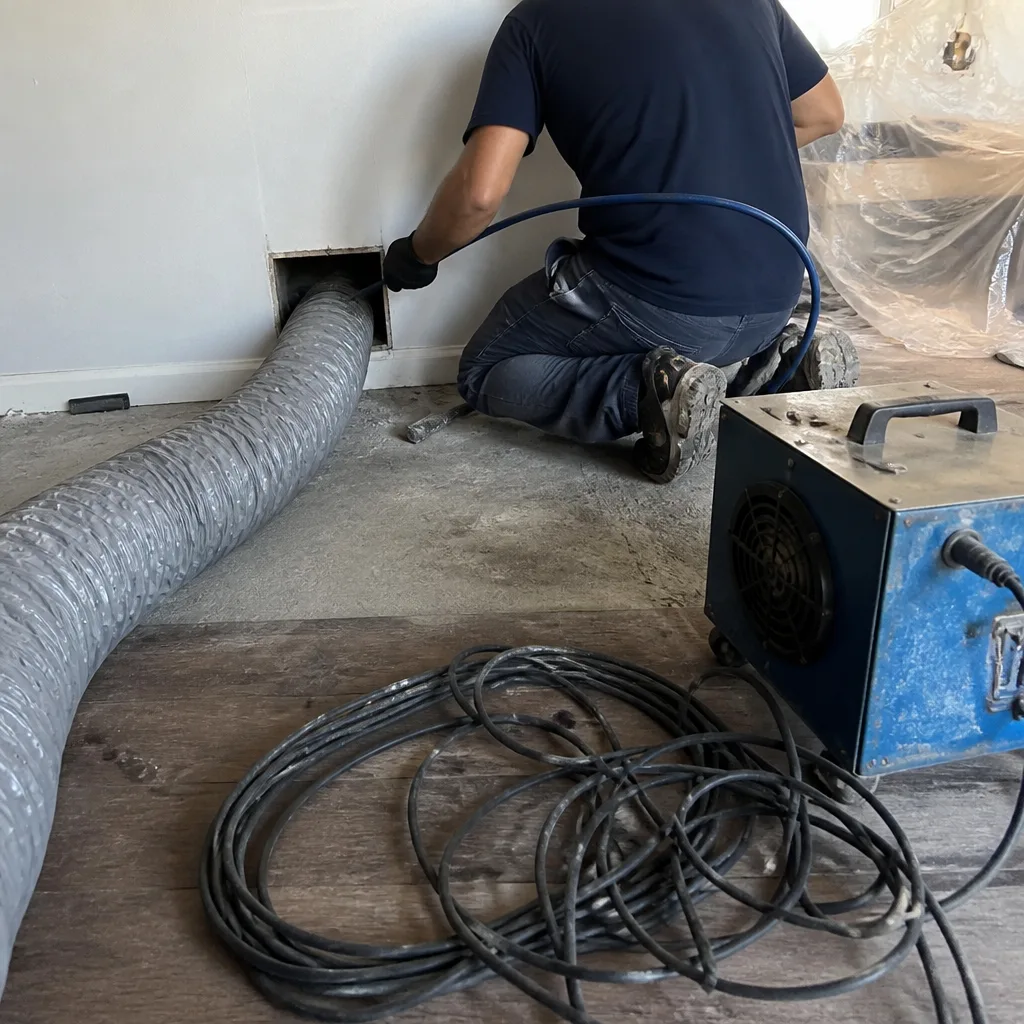 Before
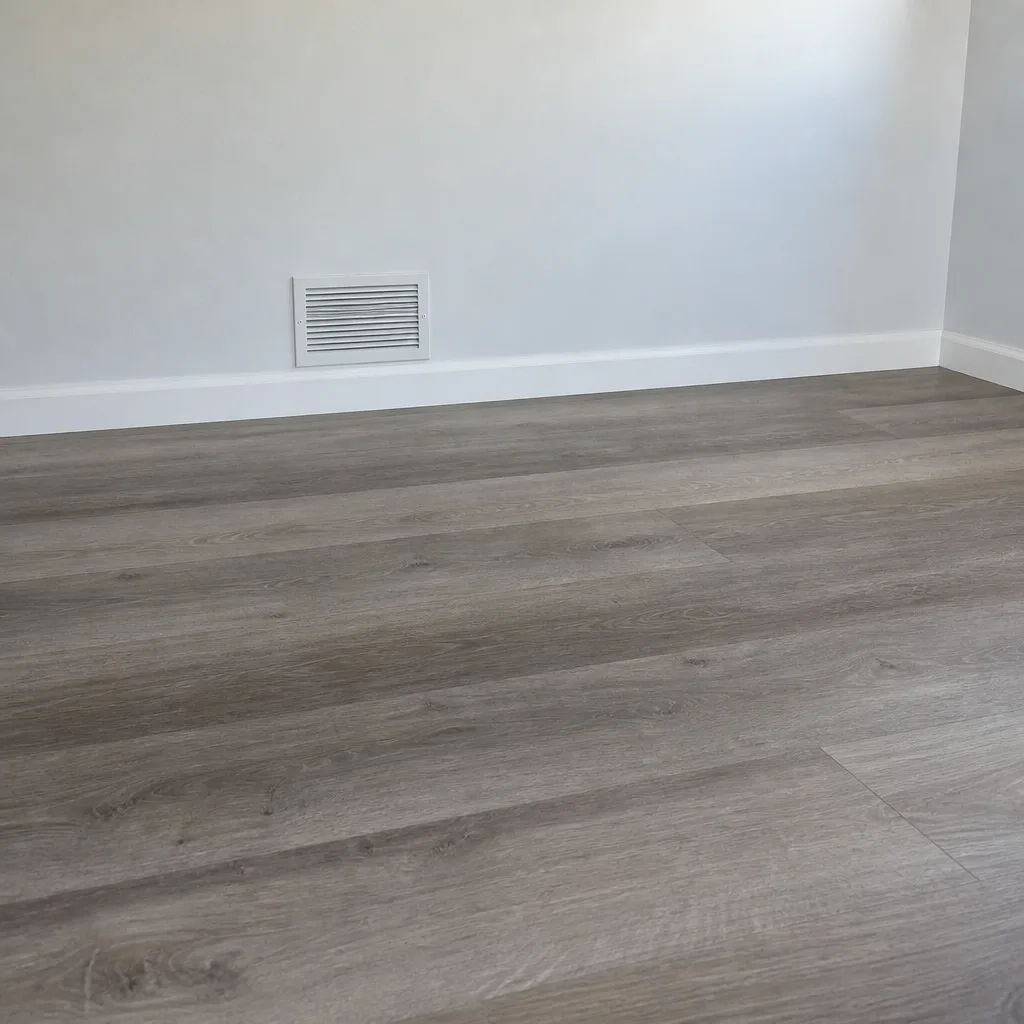 After
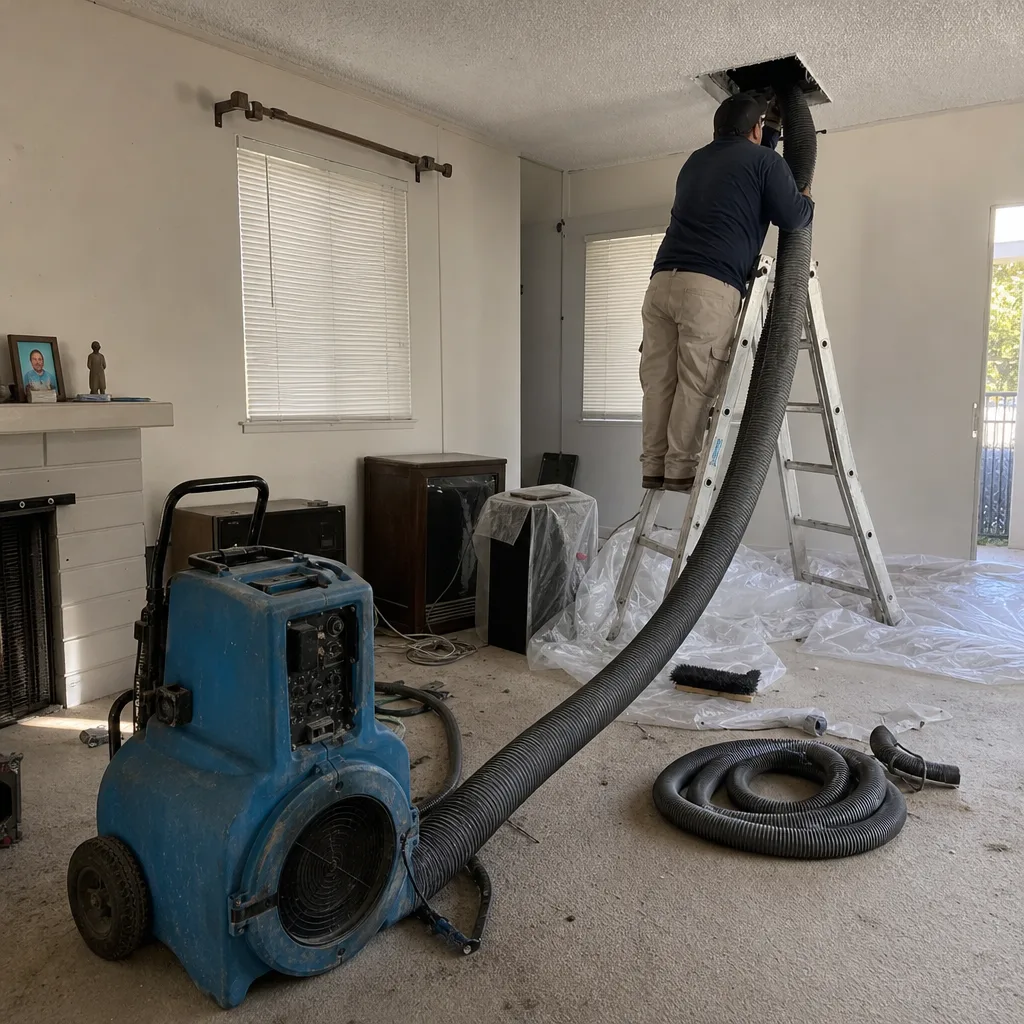 Before
 After
 Before
 After