
Last updated November 4, 2026
 Whole-home duct cleaning
 Dryer vent cleaning
 Camera inspection
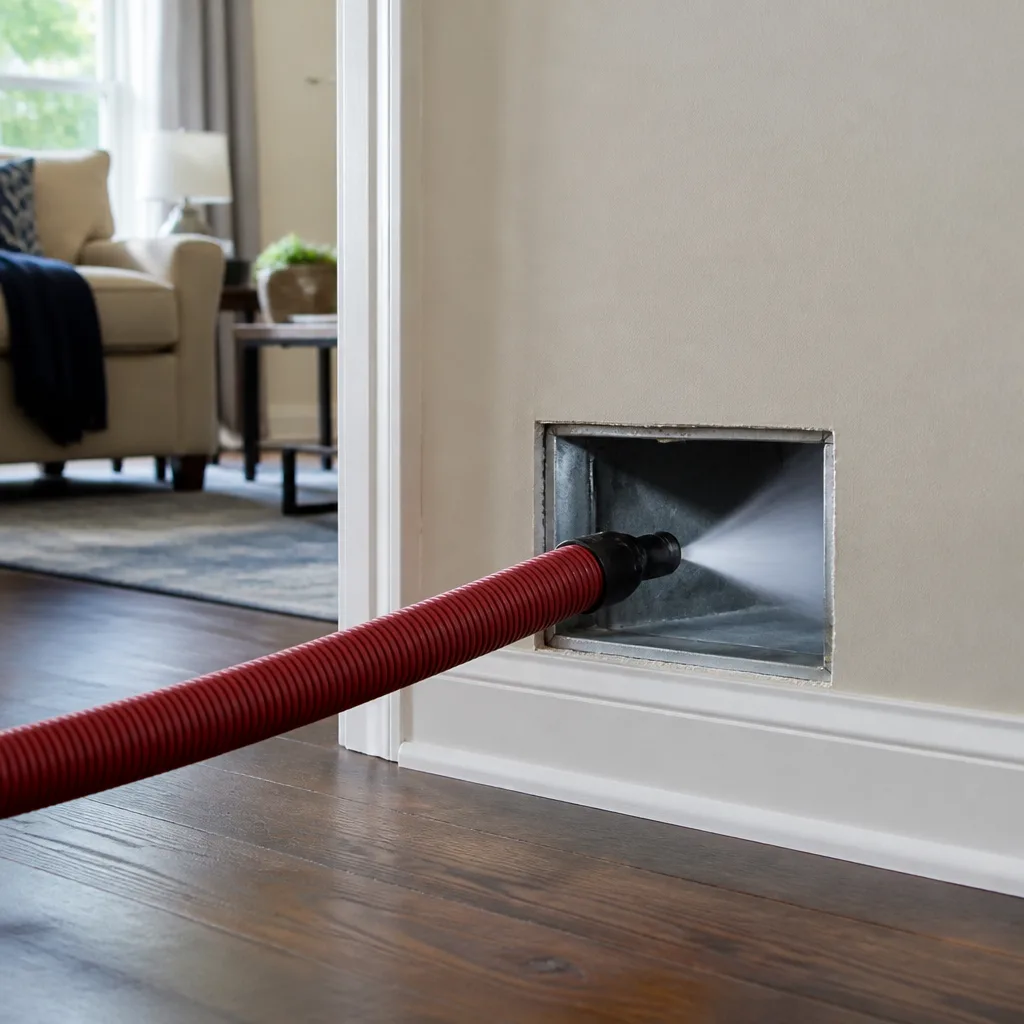 Sanitizing & deodorizing
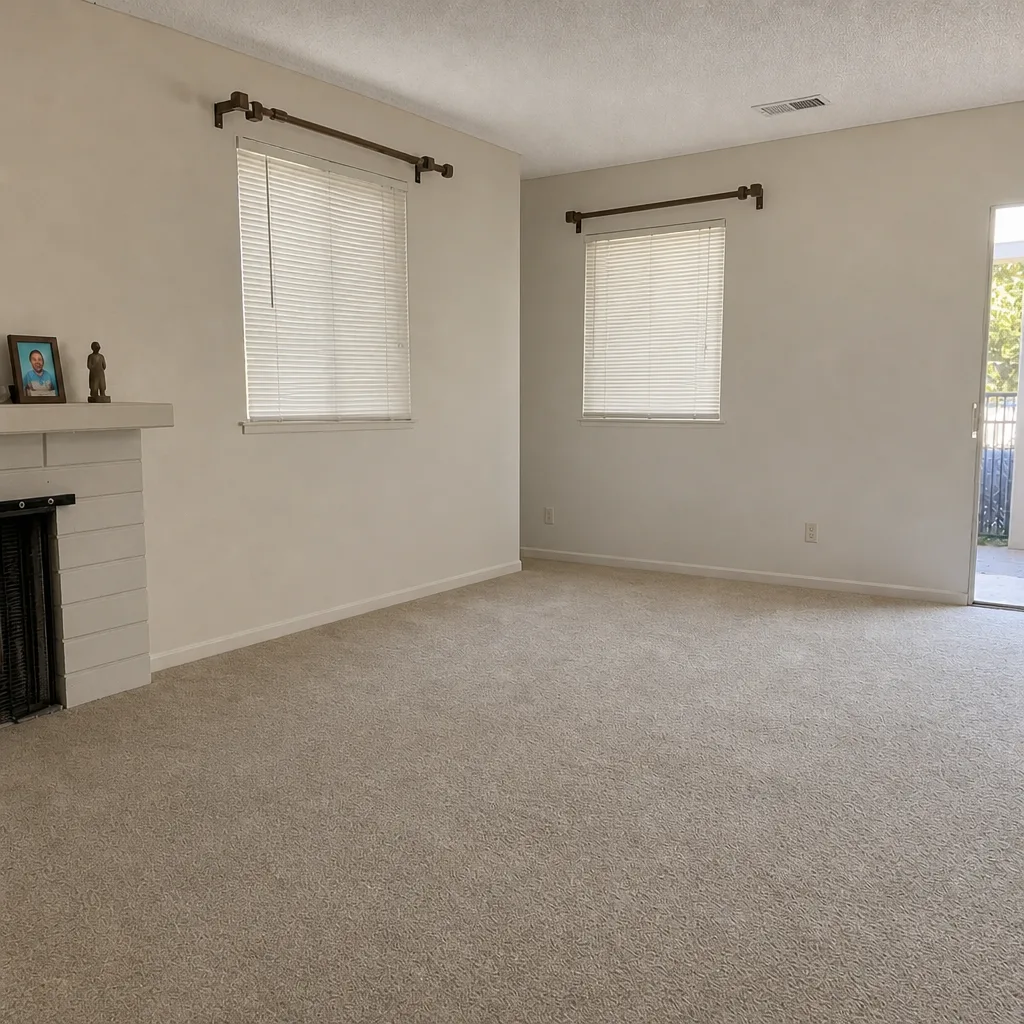
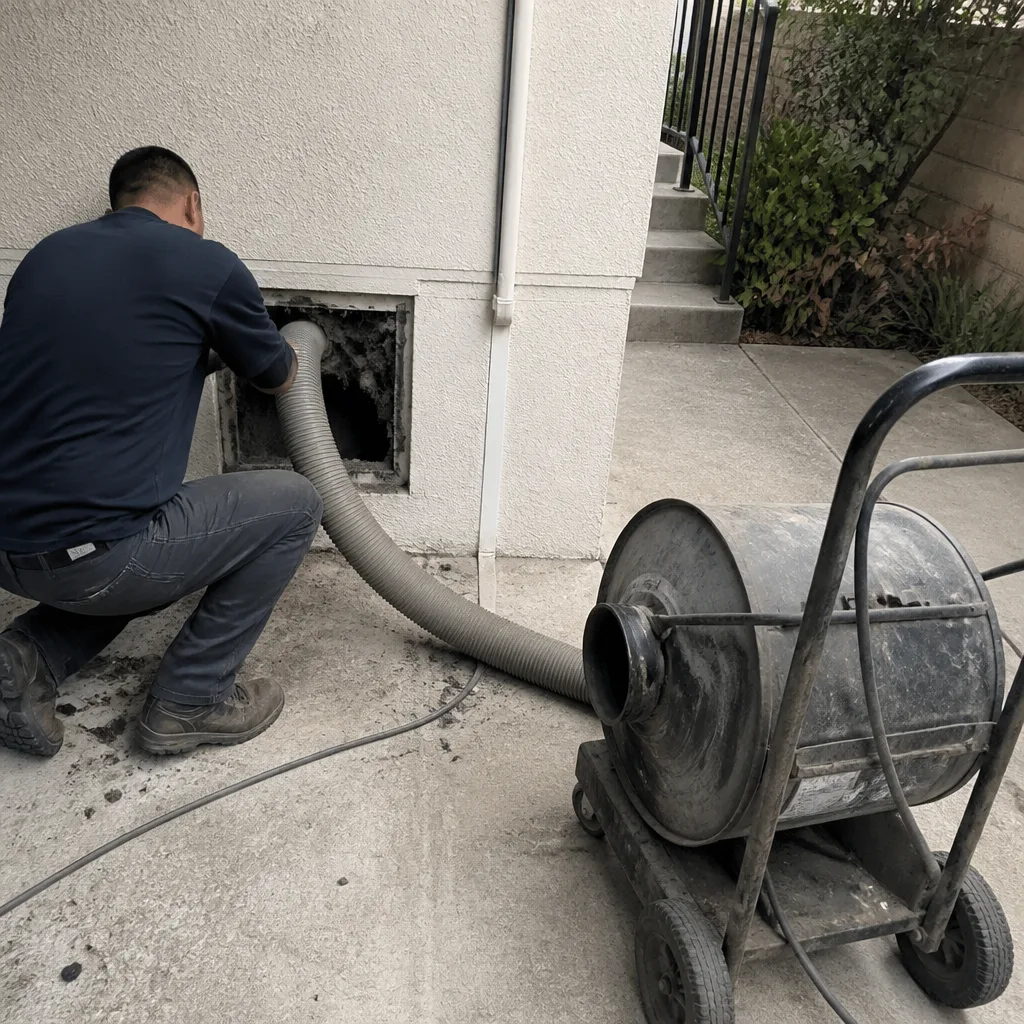
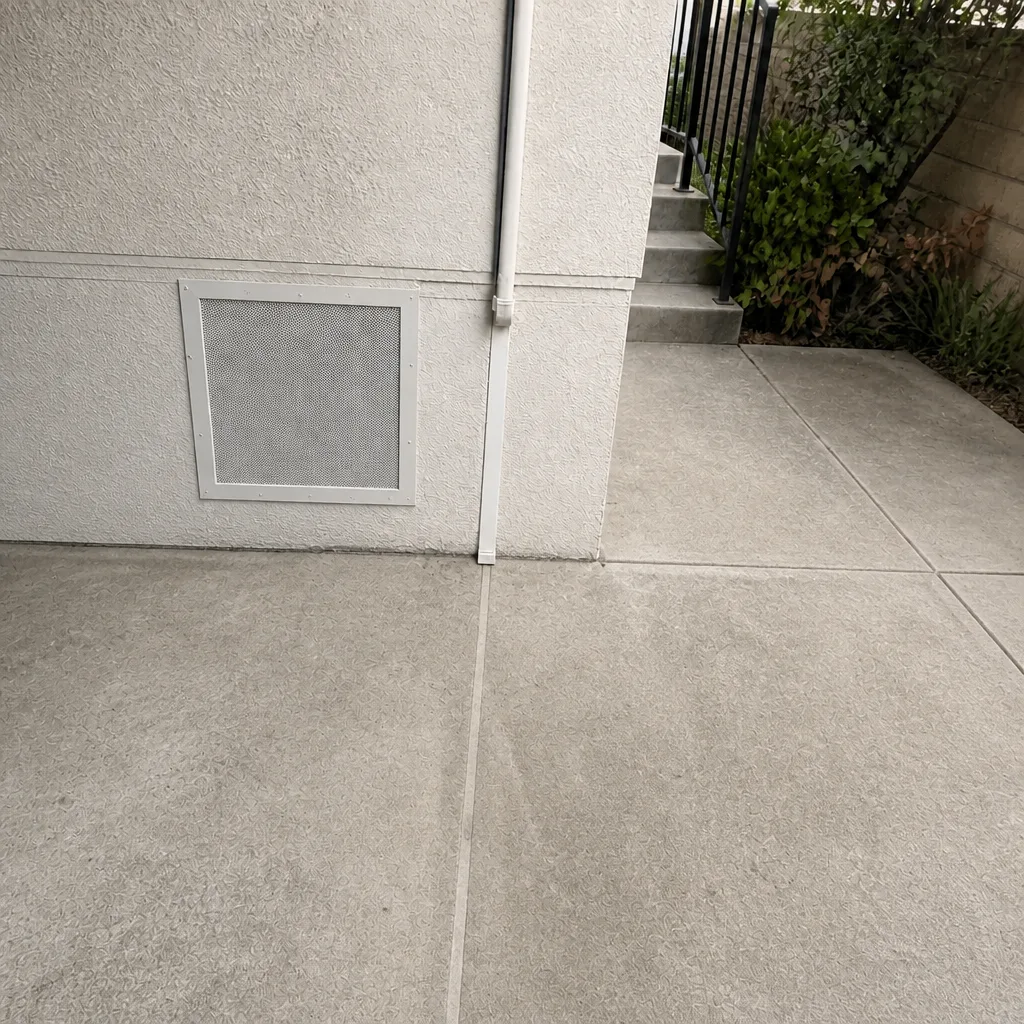
Whole-system duct and dryer vent check with before-and-after photos - you see exactly what came out of your vents
That "$99 whole-house special" is a bait ad - the real number appears once they are in your hallway, or the "clean" is a shop-vac at the register. We photograph the inside of your ducts before and after instead.
Air Duct Cleaning Maintenance Schedule: What to Do and When
Most homeowners treat air duct cleaning as a reactive chore, something you schedule after a renovation or when a musty smell won’t go away. That approach leaves the system that moves every breath of air in your house unmanaged for years at a time. If you live in Lakewood, the default “every 3 to 5 years” rule from national guides falls short, because those guides were not written for homes near the 710 corridor, marine-layer humidity, or the particulate load a single Santa Ana wind event dumps into an HVAC system. This guide lays out a maintenance calendar that actually fits local conditions: what to do monthly, what to do seasonally, what you can handle yourself, and when to bring in professional-grade equipment.
Styles & brands we work with
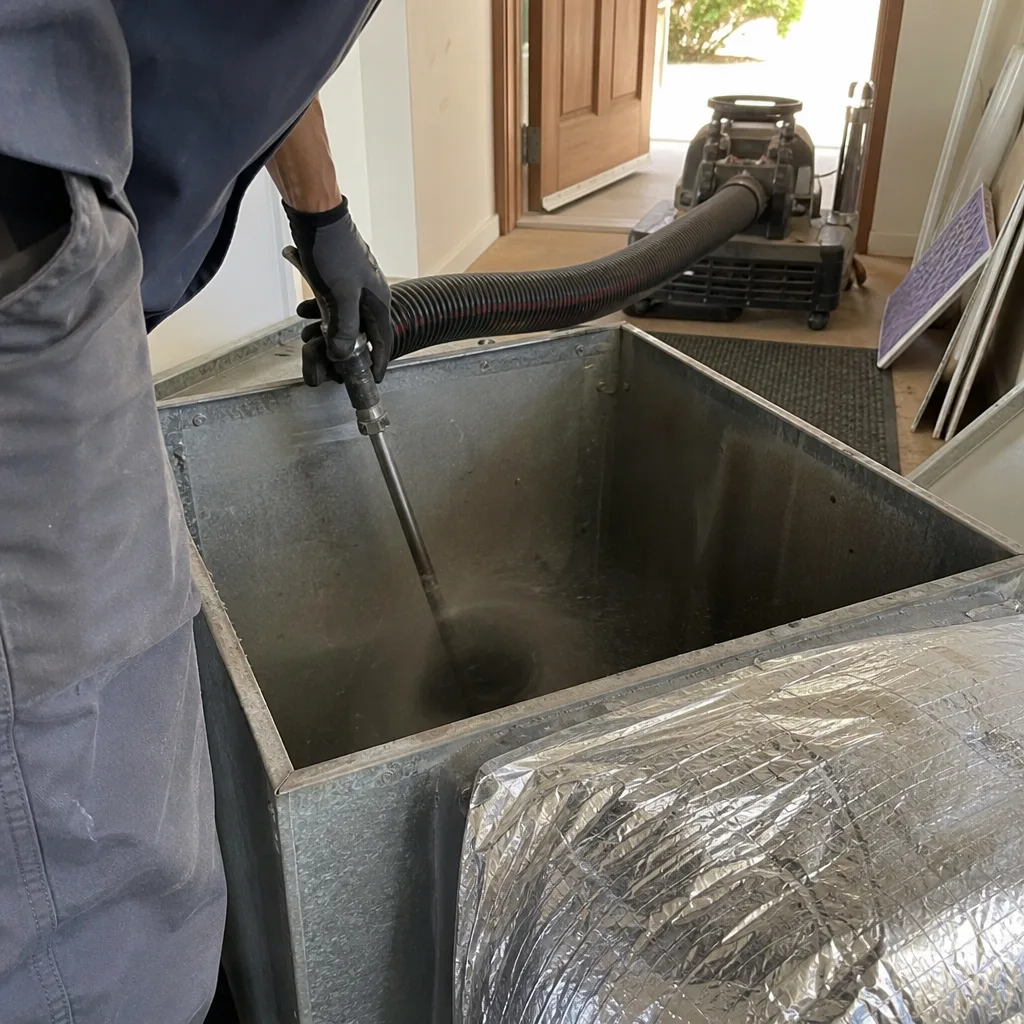
- Whole-home duct cleaning
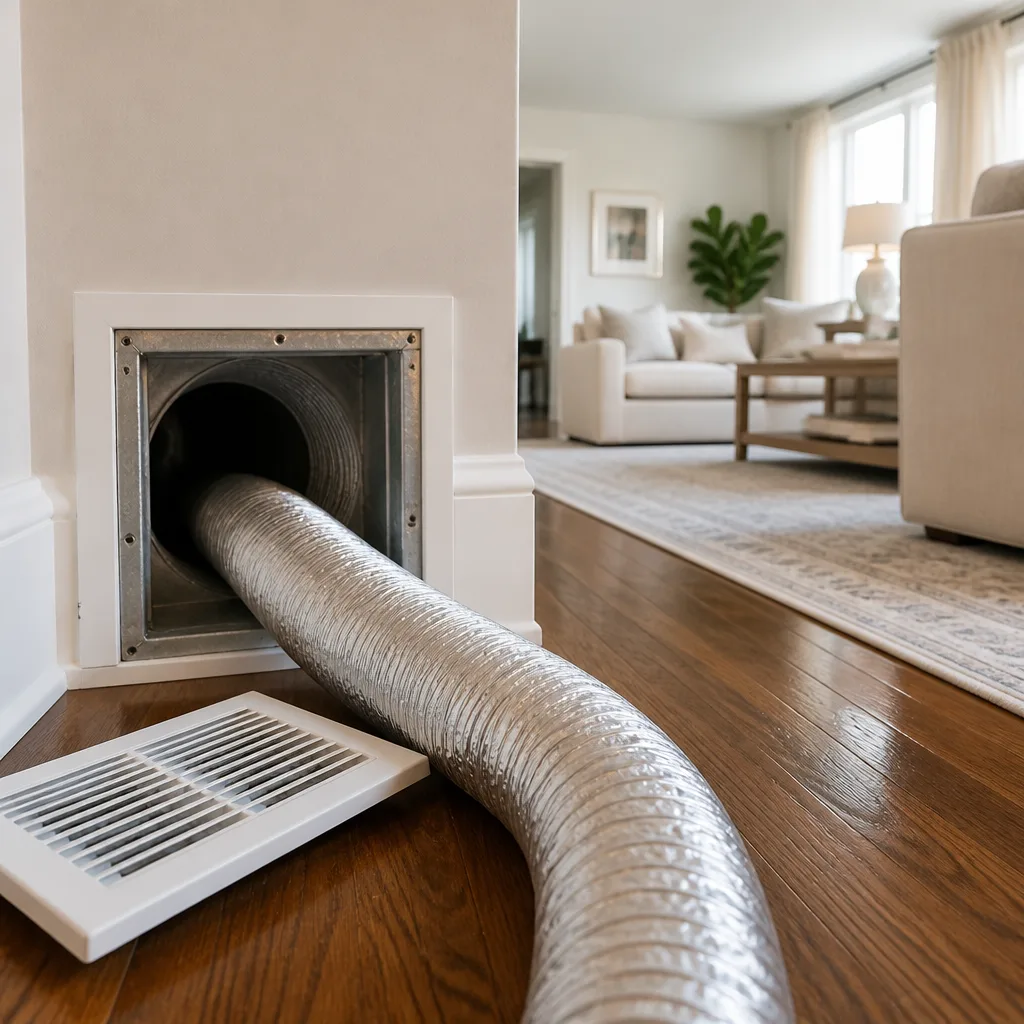
- Dryer vent cleaning
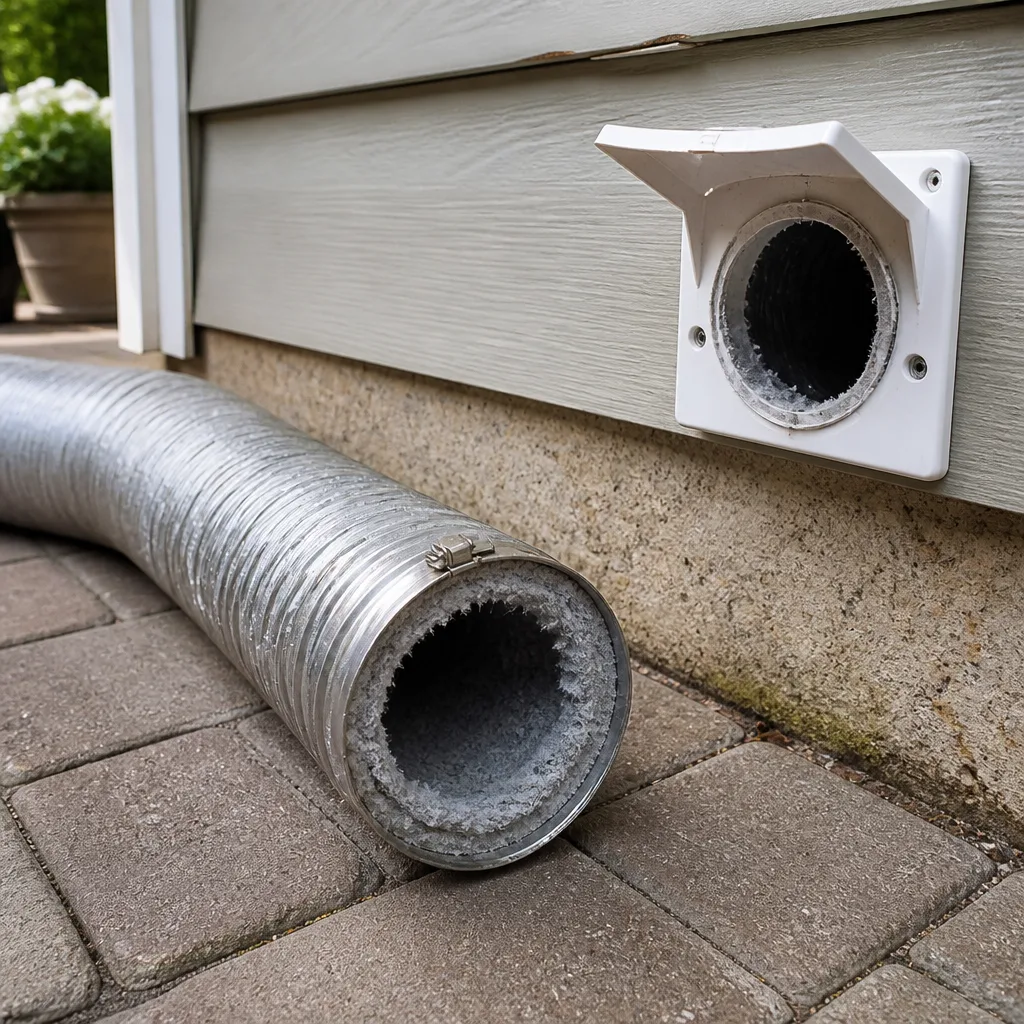
- Camera inspection
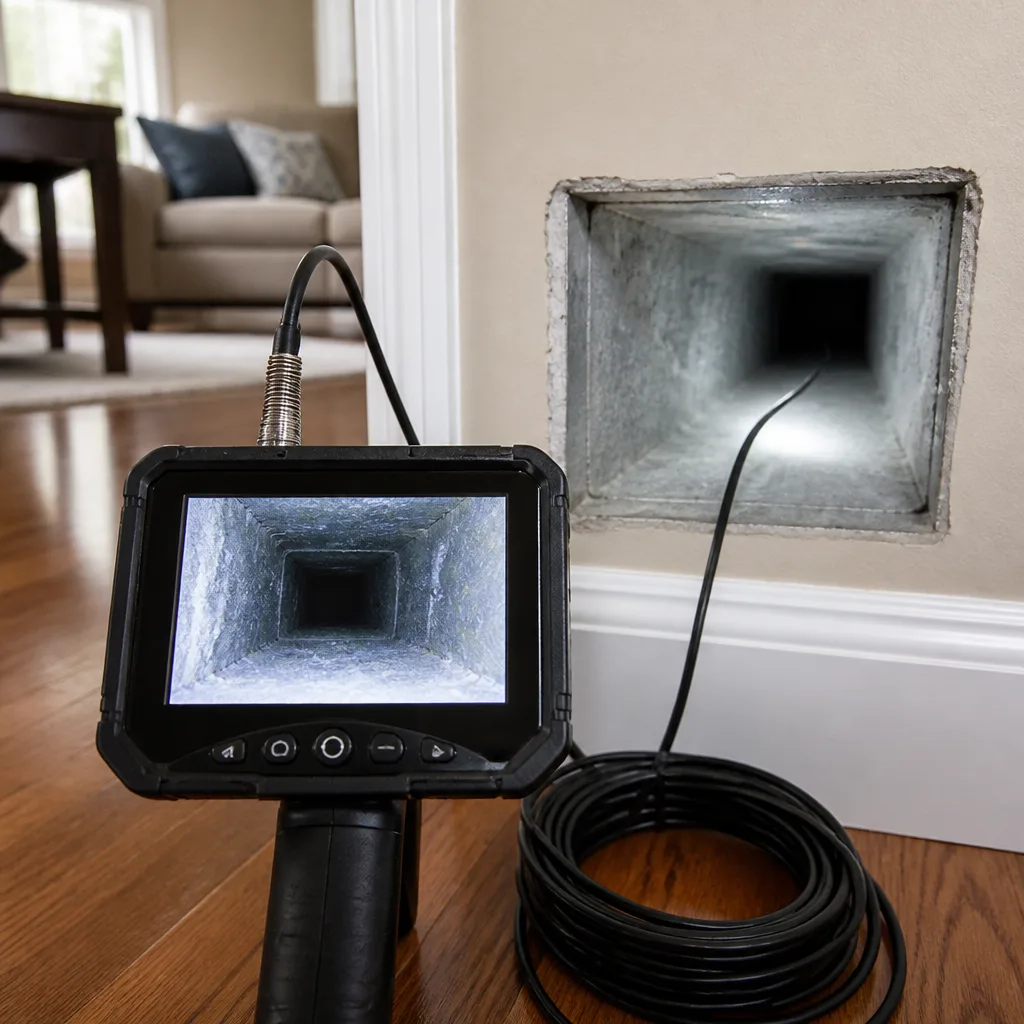
- Sanitizing & deodorizing
Quick Answer
In Lakewood, most homes need professional air duct cleaning every 2 to 4 years, with monthly filter checks and seasonal register wipe-downs in between. Homes with pets, recent renovation work, occupants with allergies, or proximity to the 710 freeway should compress that to every 2 to 3 years. Certain events, like wildfire smoke intrusion or water damage, override any calendar and call for immediate attention.
Table of Contents
- Why the Default Schedule Falls Short in Lakewood
- The Month-by-Month Maintenance Calendar
- Post-Event Triggers That Override the Calendar
- How Household Variables Compress the Timeline
- What You Can Do Yourself vs. What Requires Professional Equipment
- Documenting Duct Condition Over Time
- Common Mistakes to Avoid
- When to Call a Professional
- Frequently Asked Questions
- The Bottom Line
Why the Default Schedule Falls Short in Lakewood
The Environmental Protection Agency’s guidance to clean air ducts “as needed” is frequently cited by contractors nationwide, but it was written as broad guidance for a country with wildly different climates. Lakewood sits in a specific environmental pocket that generic advice does not account for. Marine-layer humidity is a real factor here: condensation inside flex ducts in attics and crawl spaces creates surfaces where dust sticks rather than blows through. Homes east of Lakewood Boulevard, closer to the 710, see a steady accumulation of fine roadway particulate that settles into return ducts. Homes near the San Gabriel River channel deal with a different mix of dust and organic debris. When the Santa Ana winds arrive, the particulate load inside a duct system can change in a single afternoon. A five-year interval assumes none of this is happening. In our work across Lakewood, we see systems that need attention far sooner than that, and some that can wait longer because the home has excellent filtration and no pets. The point is that the interval must be calibrated, not guessed.
The Month-by-Month Maintenance Calendar
A maintenance calendar only works if the tasks are realistic. Here is a breakdown of what to do and when, mapped to Lakewood’s seasonal patterns. Most of these take minutes. A few require scheduling a professional visit.
January through March: Post-Holiday Residue and Winter Settling
After the holidays, indoor air has been through a lot: more cooking, more candles, more people indoors, and a furnace that has been cycling all winter. Start the year with a filter replacement, even if the old one looks okay. Check every visible register for dust accumulation on the vent fins. If you see gray film on supply registers, that is air bypassing the filter. This is also a good time to inspect the return air grille for pet hair, which can mat against the intake and reduce airflow through the entire system. In Lakewood, winter is mild, but the heater still runs enough to pull dust through the system. A visual check now sets a baseline for the year.
April through June: Spring Allergens and the Start of Dry Season
Spring in Lakewood brings pollen from ornamental trees and grasses, and it moves indoors through open windows and on clothing. If anyone in the home has seasonal allergies, upgrade to a MERV 11 or MERV 13 filter during these months, provided your system can handle the added resistance. Wipe down supply registers and return grilles with a damp cloth every two weeks. Check flexible duct connections where visible in the attic: look for sagging, kinks, or disconnected sections. A sagging flex duct collects dust in the low point and can pull attic air into the system. If you see condensation on duct insulation, that is a sign of an air leak. These are the kinds of things a homeowner can spot, but fixing them right may require a professional.
July through September: Peak Cooling Load and Maximum Recirculation
Summer is when your HVAC system works hardest in Lakewood, and when it is recirculating indoor air the most. The filter is doing more work now than any other season. Check it monthly, not quarterly. If you have a Honeywell or AprilAire filtration cabinet, verify the filter is seated correctly and the gasket is not torn. These are the months when dust that settled in ducts over the previous year gets stirred up by constant airflow. If you notice more dust on furniture despite regular cleaning, that is often a sign the ducts themselves have become a source. This is also when we recommend scheduling a professional air duct cleaning if you are due, because the system is already running and the difference is immediately noticeable.
October through December: Santa Ana Season and Fire Particulate
Santa Ana wind events in October and November blow dry, particulate-heavy air across the region. If there is an active wildfire anywhere in Southern California, smoke particulate can travel far beyond the burn zone. After any Santa Ana event, check the filter. If it looks dark or clogged, replace it immediately, even if it is not due. Wipe down registers and any horizontal surface near returns. This is also the time to inspect the outdoor condenser if you have one: leaves, dust, and wind-blown debris can restrict airflow and force the system to work harder. After a significant wind event, a professional visual inspection of the duct interior may be warranted, especially if you smelled smoke indoors. The residue from wildfire smoke is fine and sticky, and it does not just blow out on its own.
Post-Event Triggers That Override the Calendar
No maintenance schedule survives contact with reality. Certain events make the calendar irrelevant and require immediate attention to the duct system.
- Nearby construction or major renovation. If a home is being remodeled on your street, or you are doing your own renovation, drywall dust and sawdust go everywhere. Even with dust barriers, fine particles get pulled into the return ducts and coat the entire system. Schedule a professional cleaning after the work is complete, not before.
- Wildfire smoke events. Even if the fire is miles away, smoke particulate can settle inside ducts. The residue is acidic and sticky. If you smelled smoke inside your home for more than a day, the ducts need attention, not just the filter.
- Water intrusion. A roof leak, plumbing leak, or AC condensate overflow that reaches the ductwork creates a moisture problem. Wet fiberglass duct liner or accumulated dust becomes a habitat for biological growth. This is not a cleaning-only situation: the affected duct sections may need replacement. A company that can both identify the damage and perform Fortress Air Duct Cleaning style repair work in one visit saves you from juggling two contractors.
- HVAC system replacement. A new furnace or air handler connected to dirty ductwork is a wasted investment. The best time to have ducts cleaned is immediately after the old equipment is removed and before the new system is commissioned. Debris from the old system will be loose in the ducts, and the new blower will pull it straight into the house.
- Pest intrusion. Rodents or insects in ductwork require both removal and sanitation. Droppings and nesting material inside ducts are a health hazard and must be removed with proper equipment, not a household vacuum.
How Household Variables Compress the Timeline
The 2 to 4 year interval assumes a baseline home: no pets, moderate occupancy, decent filtration, no recent work. Most Lakewood homes do not match that baseline. Here is how specific variables shorten the schedule.
- Pets. One dog or two cats can introduce significant dander and hair into the system. Pet hair that gets past the filter accumulates on the blower fan and inside ducts. Homes with multiple shedding pets should plan on professional cleaning every 2 years, with quarterly filter changes at minimum.
- Renovation history. If your home was remodeled at any point and the ducts were not cleaned afterward, that dust is still in there. Renovation dust does not break down; it just sits and recirculates. One thorough cleaning resets the clock.
- Occupants with allergies, asthma, or compromised immune systems. For these households, the standard interval is not protective enough. Every 2 years is a reasonable ceiling, with high-efficiency filtration in between. The difference between a MERV 8 and a MERV 13 filter is significant, but the filter cannot do the work if the ducts themselves are loaded.
- Proximity to high-traffic corridors. Homes closer to the 710, the 91, or Lakewood Boulevard see more daily particulate settling into the system. The same is true for homes near commercial zones with constant truck traffic. These homes consistently need cleaning sooner than homes on quiet residential streets.
- Window and door habits. In Lakewood’s mild climate, many residents keep windows open for large parts of the year. That is good for ventilation, but it means unfiltered outdoor air enters the home and gets pulled into the return ducts. Homes that run the HVAC fan continuously with windows open accumulate dust faster.
What You Can Do Yourself vs. What Requires Professional Equipment
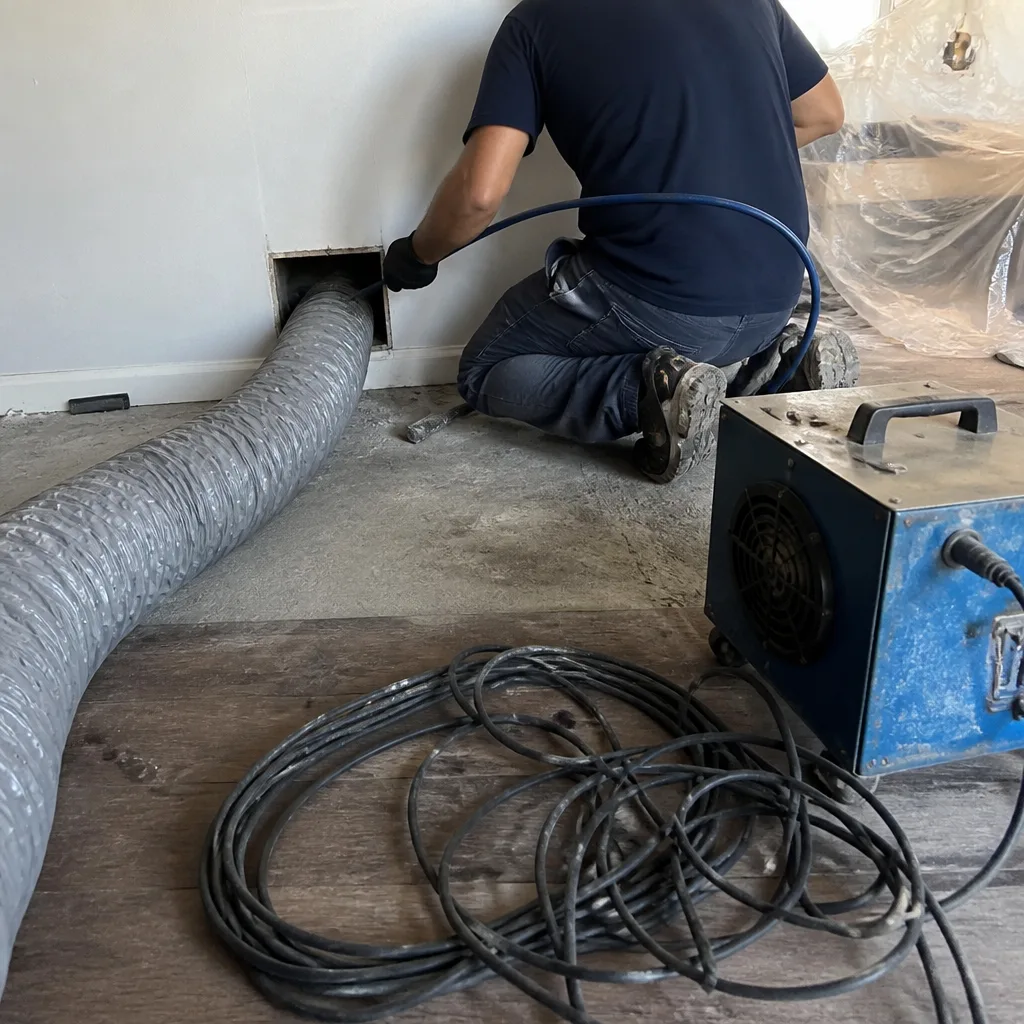
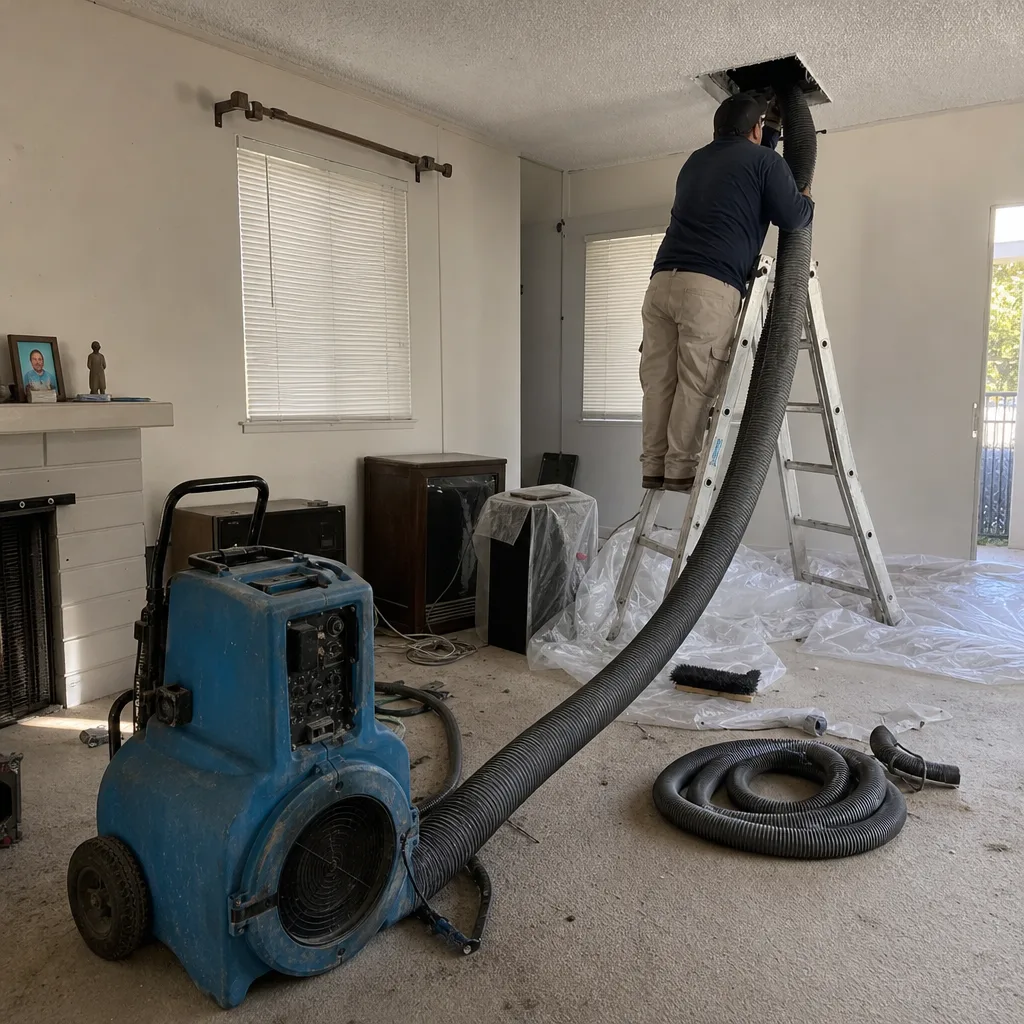
There is a clean dividing line between homeowner maintenance and professional work. Homeowners should own the filter, the visible surfaces, and the visual inspection. Professionals should own the interior of the duct system. Here is why: consumer vacuums and brushes simply cannot create the negative pressure needed to pull debris from deep inside duct runs. That is not a matter of effort; it is a matter of equipment class. Professional systems like Rotobrush and Nikro units create the airflow and agitation that removes the fine, adhered particulate a shop vac never touches.
Homeowner tasks: replacing filters, wiping registers and grilles, checking visible duct connections, monitoring for moisture or odors, documenting condition with photos.
Professional tasks: removing accumulated debris from inside supply and return ducts, cleaning the blower motor and evaporator coil, addressing mold or biological growth, repairing damaged or disconnected duct sections, cleaning dryer vents to clear lint and prevent fire hazards.
The homeowner checklist keeps the system from getting worse between professional visits. But it is not a substitute for the professional visit. Think of it like dental care: brushing and flossing at home prevents problems, but it does not replace a professional cleaning. The same logic applies to your air system.
Documenting Duct Condition Over Time
Most duct cleaning visits are one-off events: a team comes in, works, leaves, and the homeowner has no record of what the system looked like before or after. That makes every future visit start from zero. It also makes it impossible to know whether a problem is new or has been there for years. A simple documentation habit changes that.
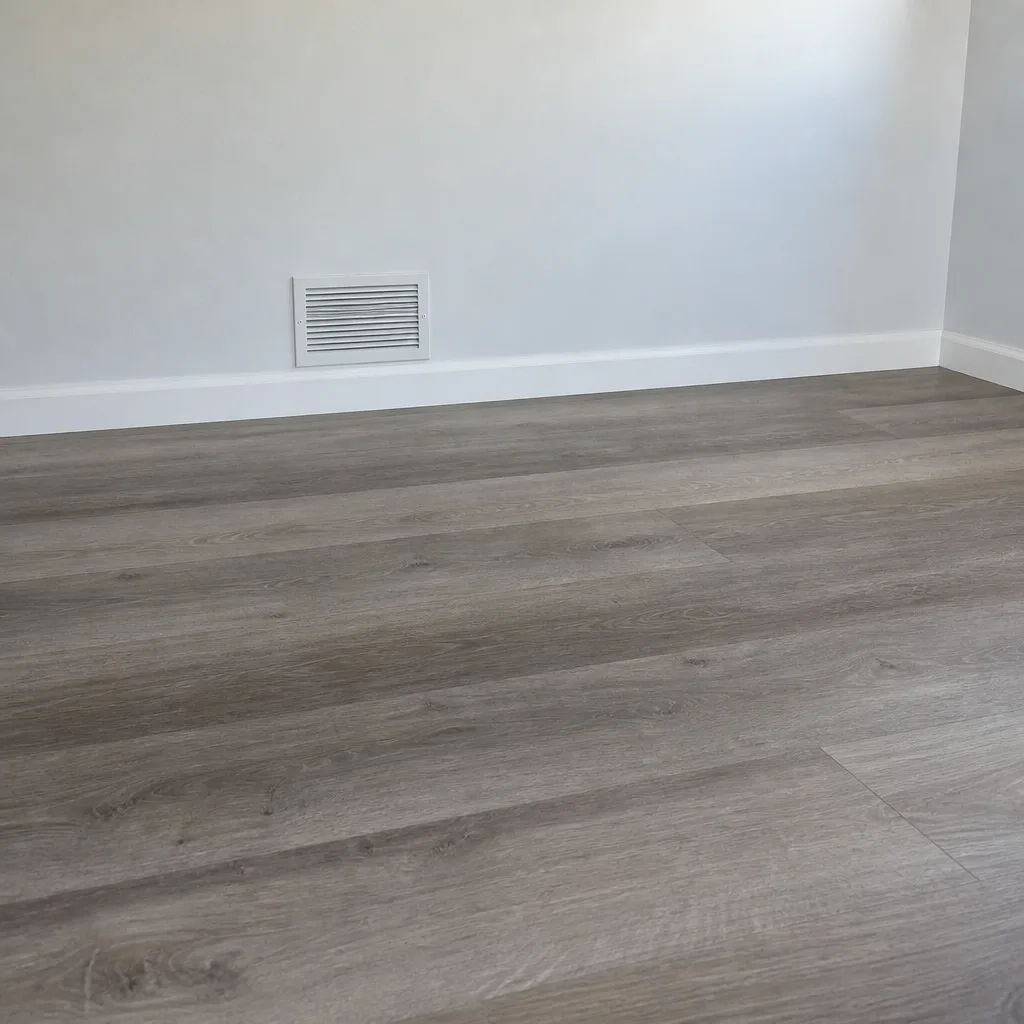
- Photograph every register and return grille before the cleaning. Use your phone. Capture the inside of the register if possible, not just the outside. These photos are your baseline.
- Ask the cleaning team for before-and-after photos of the duct interior. Professional equipment can capture images inside the ducts. If a company cannot or will not show you what the inside looked like, that is a red flag.
- Record the date, filter type, and any specific concerns discussed. A simple note in a phone app works. Include the technician’s observations, not just the invoice total.
- Take your own after photos once the work is done. Same angles, same registers. You now have a visual record that shows exactly what the work accomplished.
- Bring the documentation to the next cleaning. When the next visit happens, the technician can see what changed between cleanings. If a specific duct run accumulated debris faster than the others, that points to a leak or a source problem that needs attention.
This habit turns maintenance into a continuous story instead of a series of disconnected moments. It also protects you as a consumer, because you have evidence of the system’s condition and the work that was performed.
Common Mistakes to Avoid
- Changing the filter once a year and calling it maintenance. In Lakewood’s climate, a filter that runs for 12 months is doing almost nothing by the end. Monthly checks, quarterly replacements at minimum, more often if you have pets or run the fan continuously.
- Using the cheapest filter available. A dollar-store fiberglass filter protects the blower motor from large debris but does almost nothing for air quality. A MERV 8 or higher pleated filter is the realistic floor for any duct system you care about.
- Ignoring the return side of the system. Supply registers get wiped because they are visible. Return grilles are where air enters the system, and they collect the most debris. Neglect them and everything downstream gets dirty faster.
- Cleaning only the visible ducts. The ducts you can see in the attic or crawl space are only part of the system. The trunk lines, transitions, and plenum hold most of the debris. A cleaning that leaves these untouched is not a cleaning.
- Assuming a new HVAC system means clean ducts. The opposite is often true. The installation process itself introduces debris, and any dust that was in the old system is now loose and ready to circulate. Clean at replacement, not after.
- Treating dryer vent cleaning as optional. Lint accumulation in a dryer vent is a fire hazard. This is not an upsell; it is a separate safety issue. Schedule dryer vent cleaning on its own interval, which for most households is annually.
- Waiting for a smell to appear. Odors are a late-stage signal. By the time you smell something coming from the registers, significant accumulation has already occurred. Visual and photographic documentation catches problems earlier.
When to Call a Professional
Some situations are not maintenance issues. Visible mold growth on or inside ducts, persistent musty odors from the vents, unexplained increases in allergy symptoms, dust blowing from registers when the system starts, or ducts that were never cleaned after a major renovation all call for a professional assessment. If you have flexible duct connections that have become disconnected or crushed, that affects airflow and system pressure. If you have never seen the inside of your ducts, that is the starting point. A professional with contractor-tier equipment can document what is actually in there and give you a straight answer about what needs to happen. Fortress Air Duct Cleaning offers free estimates in Lakewood – call (833) 593-4030.
Frequently Asked Questions
Most Lakewood homes should have professional air duct cleaning every 2 to 4 years, with the shorter interval applying to homes with pets, renovation history, or occupants with respiratory concerns. A visual inspection and documentation habit helps determine the right interval for your specific home.
Check your filter monthly and replace it at least quarterly, more often during summer and after Santa Ana wind events. Wipe supply registers and return grilles with a damp cloth, keep an eye out for moisture or disconnections in visible ductwork, and photograph anything that changes. Call (833) 593-4030 if you spot anything that concerns you – estimates are free.
Yes. Homes closer to major traffic corridors like the 710 accumulate fine roadway particulate faster than homes on quieter streets. The 2-year interval is a reasonable ceiling for these homes, with diligent filter maintenance in between.
Consumer vacuums cannot create the negative pressure or agitation needed to remove adhered debris from the interior of duct runs. You can maintain filters and visible surfaces, but the interior cleaning requires professional equipment like the Rotobrush and Nikro systems we use at Fortress Air Duct Cleaning.
Before-and-after photos of the duct interior are the standard. A professional cleaning should include photographic documentation showing the inside of the ducts before and after the work. If a company will not or cannot provide this, that is a red flag. Call (833) 593-4030 to ask us about our documentation process.
After the old equipment is removed and before the new system is commissioned. This clears out all debris from the old system and the installation process, so the new blower never pulls old dust into your home.
The Bottom Line
Air duct maintenance in Lakewood is not a once-a-decade event and it is not a monthly chore either. It is a tiered system: monthly filter checks, seasonal register maintenance, event-driven responses, and professional cleaning every 2 to 4 years with documentation in between. The specific interval depends on your pets, your renovation history, your proximity to traffic, and the health needs of your occupants. What matters is that the schedule is active, not passive. A duct system left unmanaged for years becomes the thing you are breathing, not the thing that keeps your air clean. Fortress Air Duct Cleaning serves Lakewood with professional-grade equipment and the capability to clean, repair, and protect your system in one relationship.
Written by the team at Fortress Air Duct Cleaning, serving Lakewood since 2017.
See the difference
 Before
 After
 Before
 After
 Before
 After