
Last updated November 4, 2026
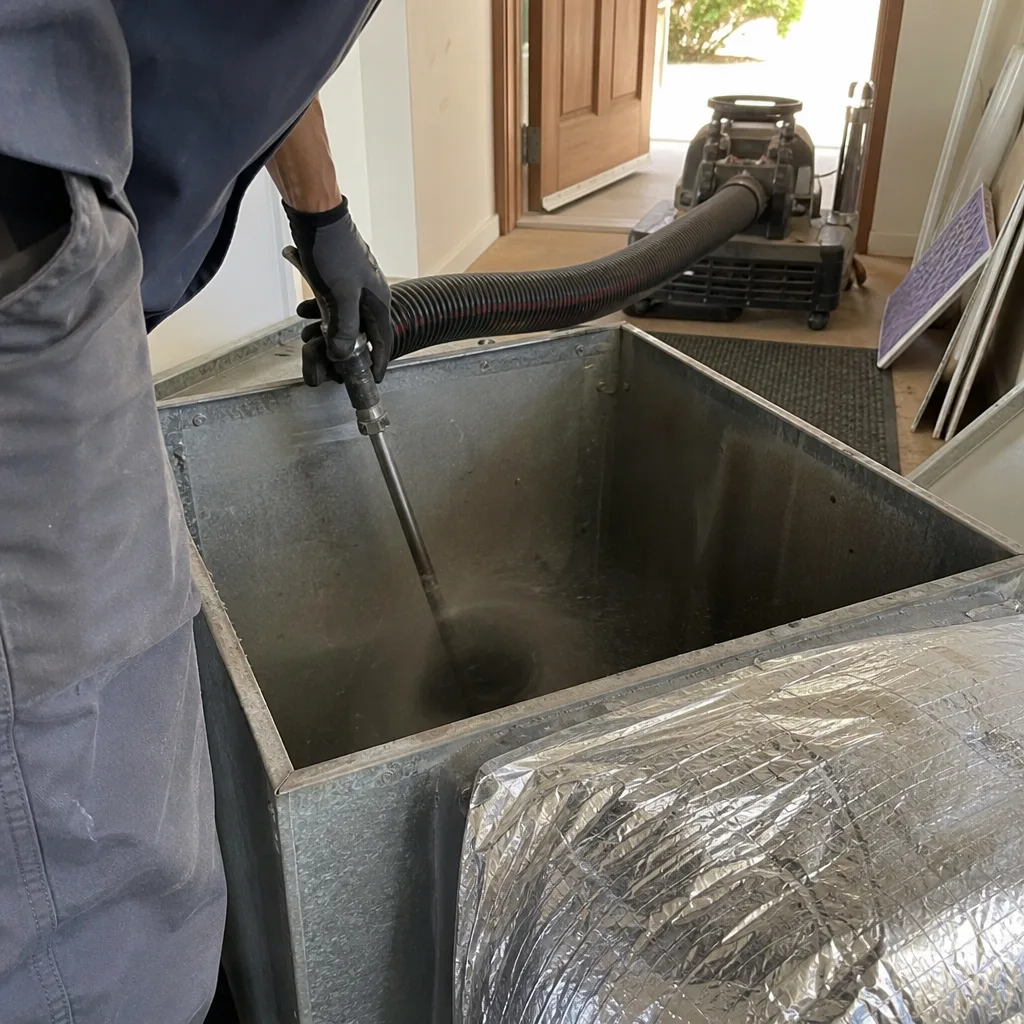
 Whole-home duct cleaning
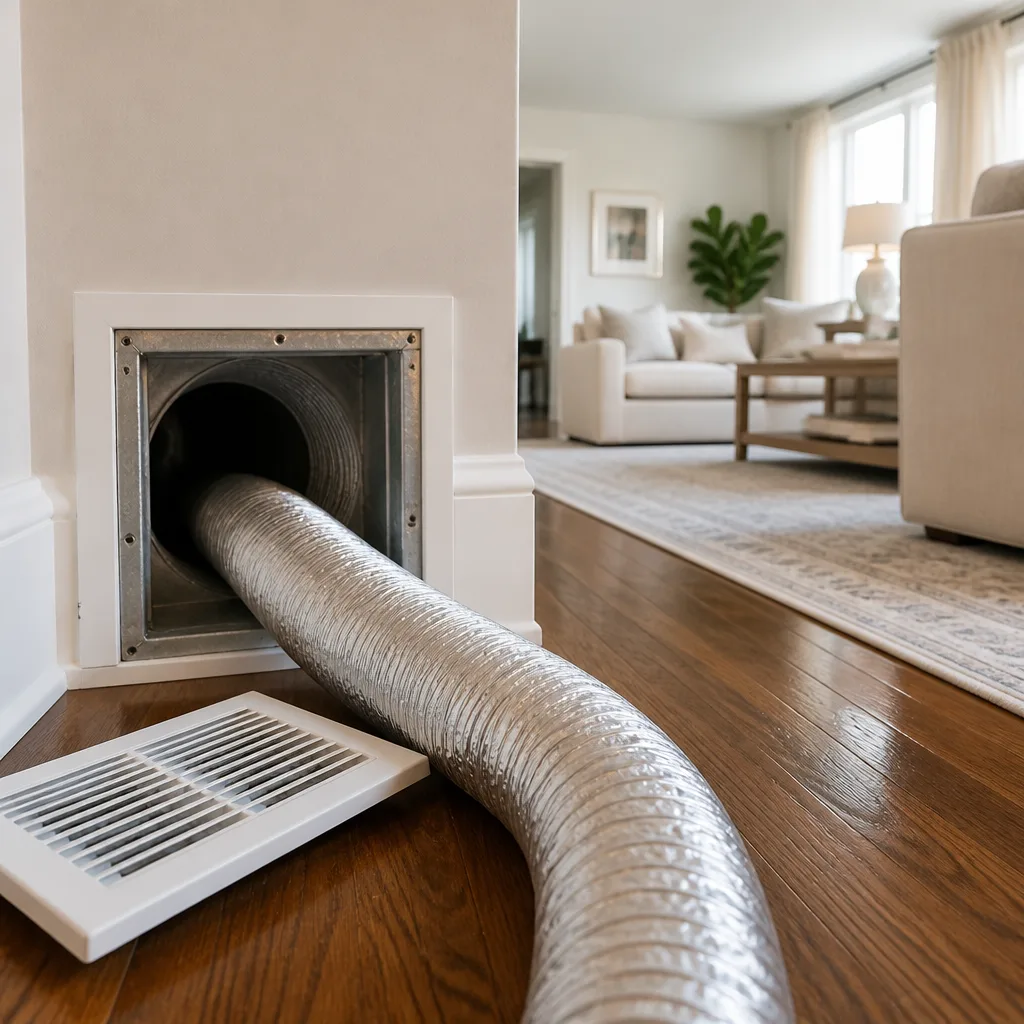
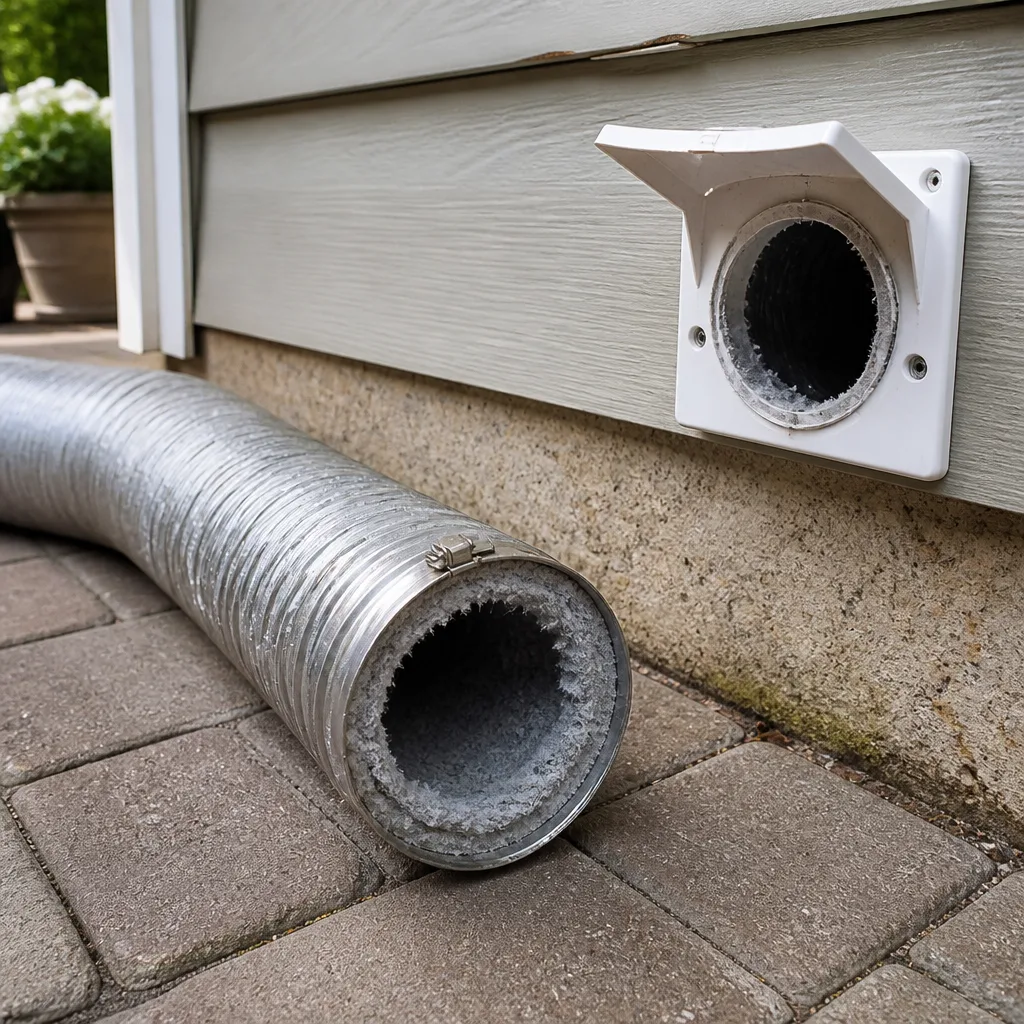 Dryer vent cleaning
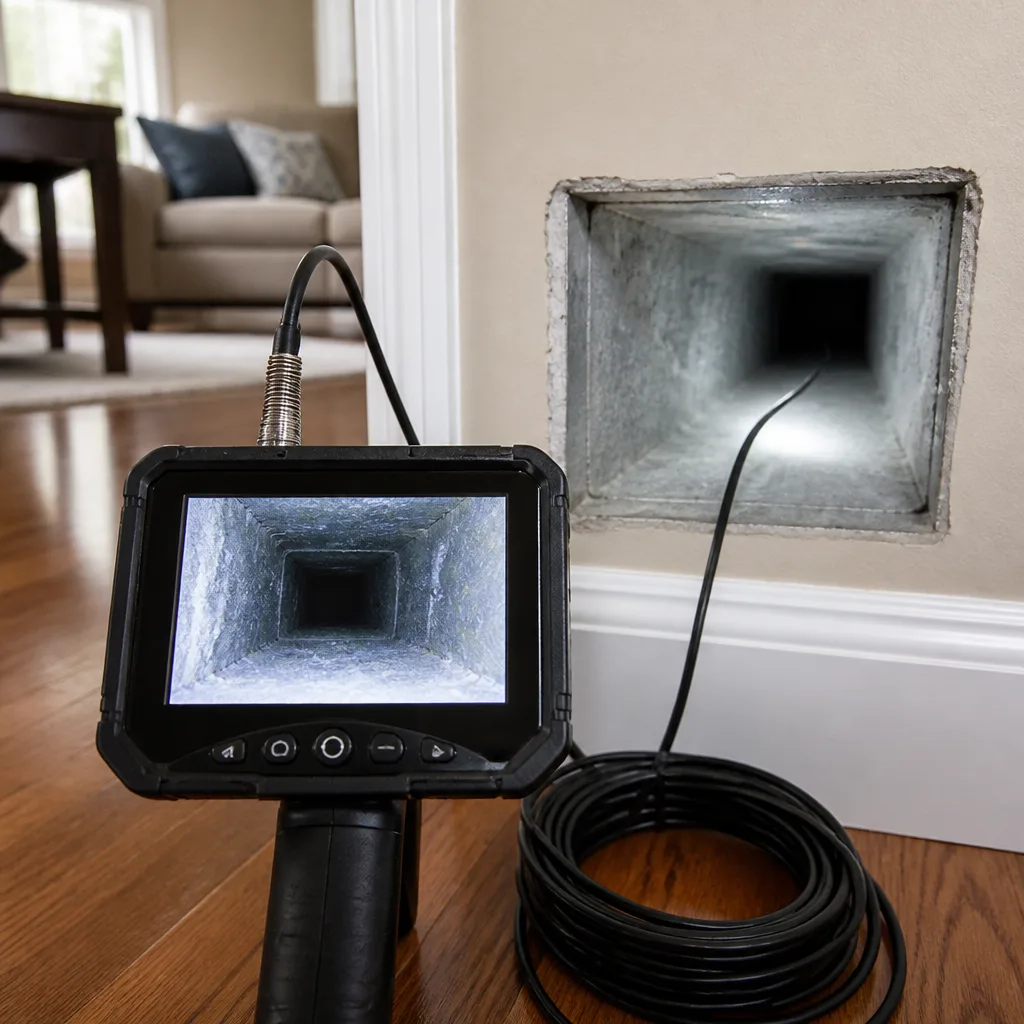 Camera inspection
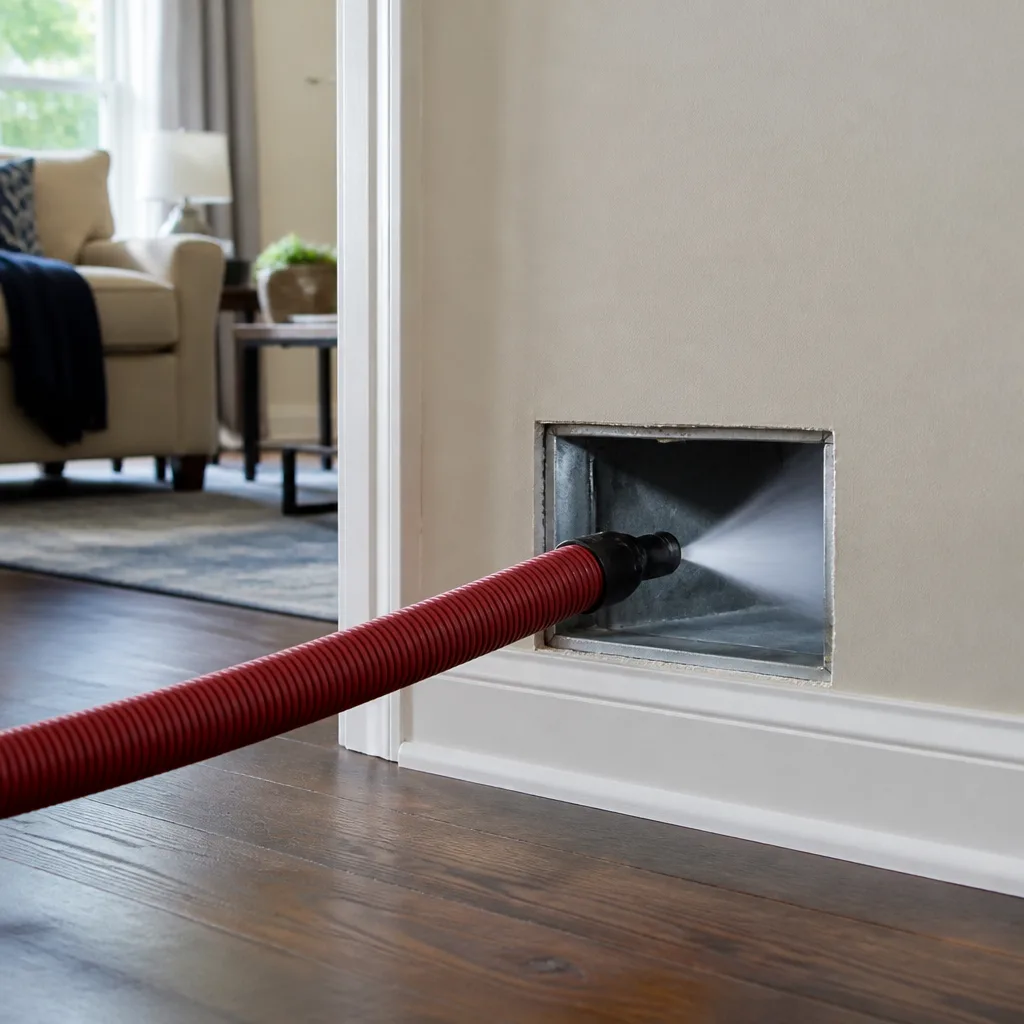 Sanitizing & deodorizing
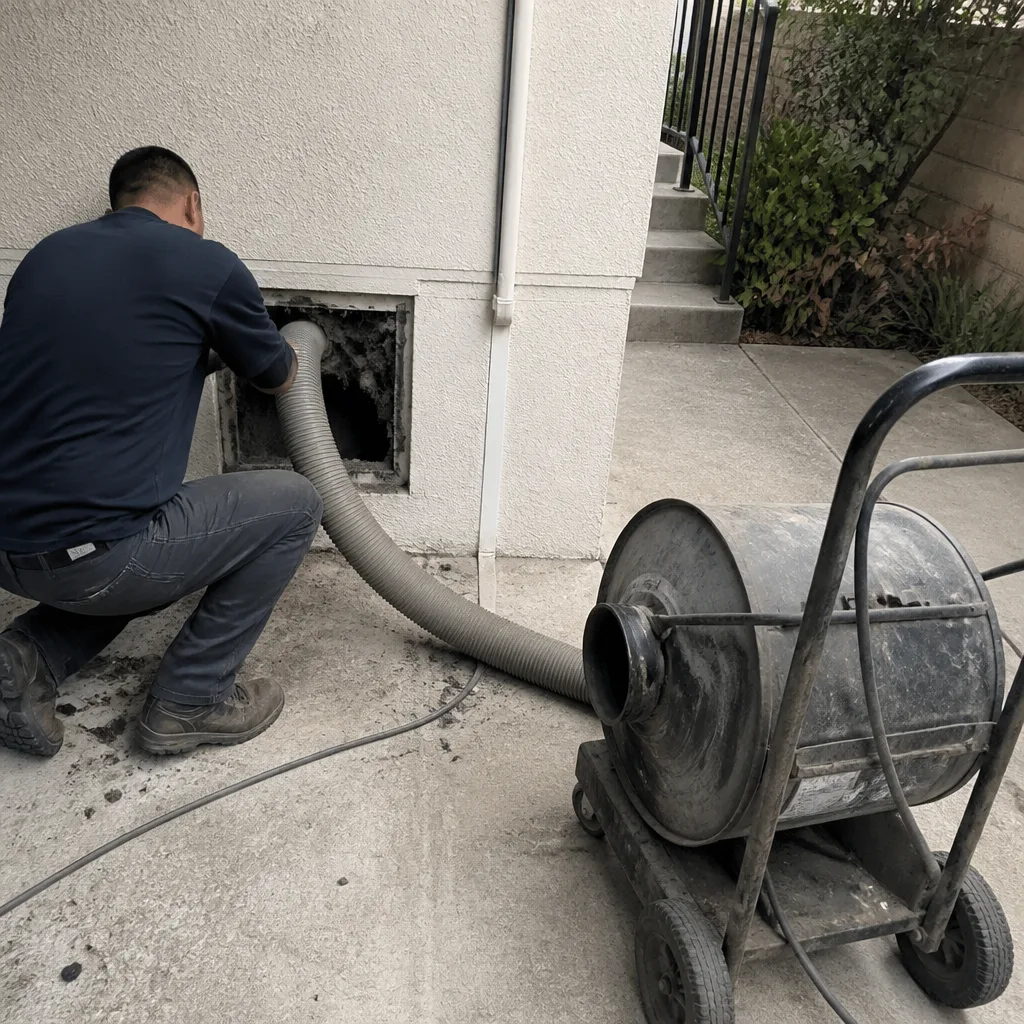
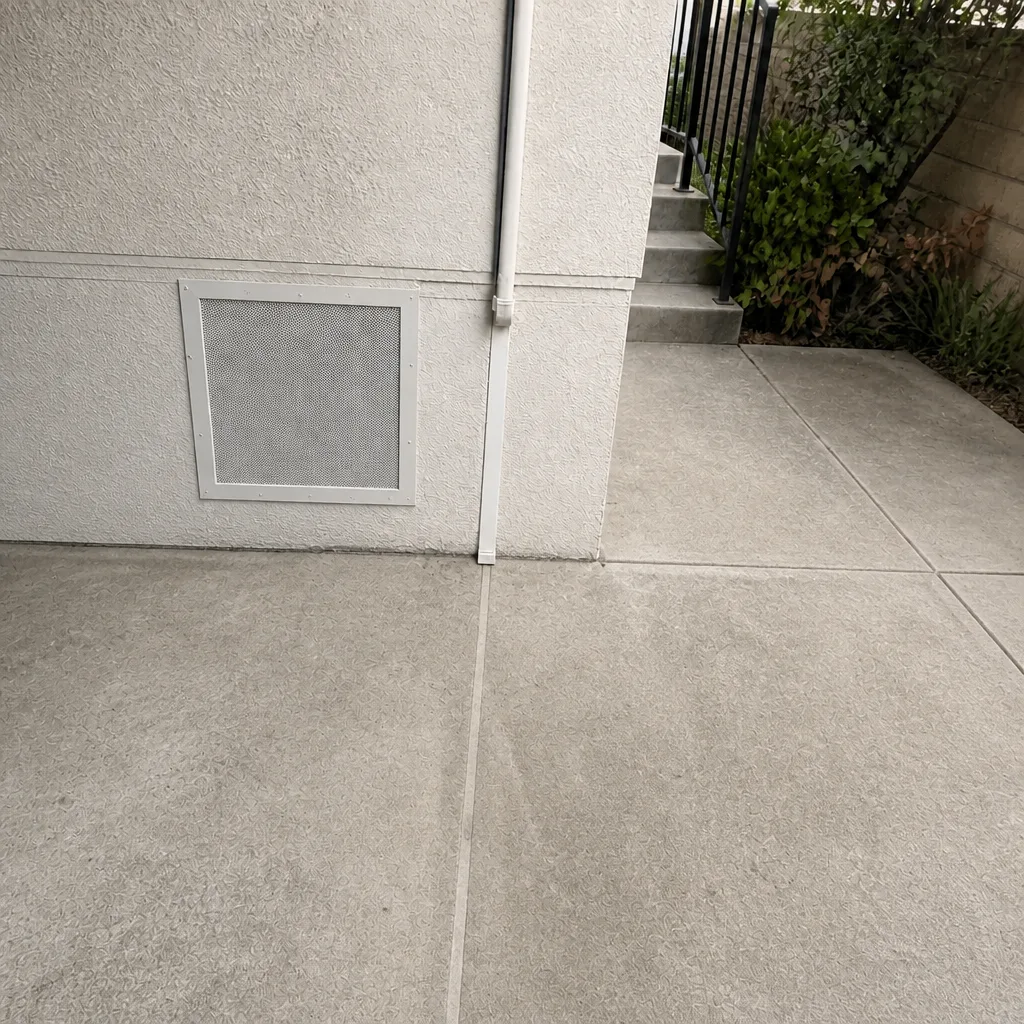
Whole-system duct and dryer vent check with before-and-after photos - you see exactly what came out of your vents
That "$99 whole-house special" is a bait ad - the real number appears once they are in your hallway, or the "clean" is a shop-vac at the register. We photograph the inside of your ducts before and after instead.
Air Duct Cleaning Emergency Preparedness Guide for Lakewood Homes
Most Lakewood homeowners think of emergency preparedness as bottled water, flashlights, and a go-bag. Few consider the network of metal and flex duct running through their attic and walls. But here is the uncomfortable truth: the same events that trigger those emergency plans, which in Lakewood means wildfire smoke, earthquake displacement, and the occasional flood or major water intrusion, also compromise the air system your family breathes through every day. This guide explains what happens inside your ducts during each of Lakewood’s most likely emergencies, how to respond in the first critical hours, and when a professional cleaning is the difference between recovery and long-term contamination. We’ll walk through the three emergency scenarios Lakewood homes genuinely face, the specific contamination each one creates, and the step-by-step protocols that protect your system.
Quick Answer
Air duct cleaning after a Lakewood emergency is not a cosmetic refresh. It is a targeted response to a specific contamination event. Wildfire smoke demands particulate and combustion-residue removal from every interior duct surface. Post-earthquake duct damage requires an integrity inspection before a cleaning can even begin. Water intrusion triggers a 48 to 72 hour biological growth window that dictates whether you clean the ducts or replace sections of them. Each scenario has its own response protocol, and most homeowners have no plan for any of them.
Styles & brands we work with
- Whole-home duct cleaning
- Dryer vent cleaning
- Camera inspection
- Sanitizing & deodorizing
Table of Contents
- Wildfire Smoke Protocol for Lakewood Duct Systems
- Post-Earthquake Duct Inspection Priorities
- Flood and Water Intrusion: The 48-72 Hour Window
- How to Build an Emergency HVAC Kit
- What to Document for Insurance After an Emergency
- Common Mistakes to Avoid
- When to Call a Professional
- Frequently Asked Questions
Wildfire Smoke Protocol for Lakewood Duct Systems
Lakewood sits far enough inland that coastal fog does not scrub the air the way it does in Long Beach or Seal Beach. During fire season, smoke from the San Gabriel Mountains and points east moves across the basin and settles into the flat, low-lying neighborhoods that define this city. The 2020 fire season gave every Lakewood homeowner a visceral lesson: fine particulate matter reached hazardous levels for multiple consecutive days, and every HVAC system running during that period pulled that air through its ductwork.
Here is what most people miss. Replacing your furnace filter after a smoke event removes some of the particles that were caught at the filter. It does nothing for the fine ash and combustion particles that deposited on the interior walls of your supply and return ducts before the air ever reached the filter. Those particles sit there. The next time the blower kicks on, especially when humidity rises, those deposits can re-enter your living space. A standard filter swap addresses the point of entry. It ignores the highway the air travels through.
When to Shut Down Your HVAC During an Air Quality Event
Your HVAC system is a distribution network. During a smoke event, it can either protect you or actively distribute contaminants, depending on how you operate it.
- Check the AQI before you run the system. If the Air Quality Index in Lakewood reads above 150, set your thermostat to fan-off and close the outside air intake damper if your system has one. Most residential systems in Lakewood are configured to recirculate indoor air, but any outdoor intake pulls smoke directly into the ducts.
- Do not run continuous fan mode. A lot of homeowners use the “fan on” setting to circulate air. During a smoke event, that setting pulls more particulate through the return ducts and deposits it on duct surfaces. Switch to auto mode so the fan runs only when the system actively heats or cools.
- Upgrade the filter temporarily. A MERV-13 filter, if your system can handle the pressure drop, captures significantly more fine particulate than the typical MERV-8 found in most Lakewood homes. Check your manufacturer’s spec. Some older systems cannot pull air through a MERV-13 filter without strain.
- After the AQI drops below 100 for a full day, replace the filter again. The first filter is now loaded with smoke particulate. Do not shake it out or vacuum it. Dispose of it and install a clean one.
Assessing Duct Contamination After Extended Smoke Exposure
Not every smoke event requires a full duct cleaning. Here is how we evaluate whether the contamination load justifies the work:
- Visible deposition at the registers. Remove a floor or ceiling register and look at the inside of the boot. If you see a gray or black film that wipes off on a white cloth, that is smoke particulate. It will be present throughout the system.
- Lingering smoke odor when the system runs. Fine combustion particles carry odor. If the smell returns when the blower starts, even weeks after the fire, the ducts are acting as a reservoir.
- Repeated filter loading. If your new MERV-13 filter turns gray or brown within two to three weeks after the event, the system is recirculating particulate that was deposited inside the ducts.
When all three indicators are present, a professional air duct cleaning is the appropriate scope of work. Anything less leaves the contamination in place. Anything more, like replacing perfectly sound ductwork, is overkill and usually driven by a sales target rather than the actual condition of the system.
Our team runs Rotobrush and Nikro equipment on Lakewood systems. These are contractor-grade systems built for commercial and remediation-level particulate removal, not consumer-grade vacuums with a spinning brush attachment. The distinction matters after a wildfire smoke event because the fine ash and combustion residue requires aggressive agitation and high-powered extraction to remove from duct walls. A low-bid cleaning with light-duty equipment leaves a measurable particulate load behind.
Post-Earthquake Duct Inspection Priorities
Lakewood sits in a seismically active region. The Newport-Inglewood Fault runs within a few miles of this city, and every resident knows the drill: drop, cover, hold on. But after the shaking stops, most homeowners check for visible damage, cracks in walls, broken glass, and then move on. The duct system, hidden in the attic or crawl space, rarely gets a second thought. That is a mistake.
Earthquake forces do three specific things to residential ductwork in Lakewood homes: they can disconnect flex duct from register boots, they can separate plenum connections at the air handler, and they can force debris into duct runs through openings that did not exist before the event. Running your HVAC system after any of these failures does two things: it pumps conditioned air into the attic or wall cavity instead of your rooms, and it pulls insulation, dust, and debris into the duct system through the open connections.
What to Check Before Running the System After an Earthquake
- Turn the system off at the thermostat and at the breaker. Do not be tempted to run it to check if it works. A displaced duct connection will still blow some air and sound normal enough. The system needs to be looked at before it is run.
- Visually inspect every accessible register. Remove the register cover and look at the boot connection. A flex duct that has pulled away from the boot is often the most visible failure point. In Lakewood, where many homes built in the 1950s and 1960s have been retrofit with flex duct, this connection is often held together by tape that has degraded over time.
- Check the plenum at the air handler. In attics, the sheet metal plenum where supply ducts connect to the main unit can separate at the seams. Look for gaps, especially where round duct meets square plenum. These joints are under constant thermal stress and are the first to fail under lateral movement.
- Look for displaced duct runs. Flex duct that should be suspended and straight may now be hanging at an angle, crimped, or touching attic insulation that was previously kept at a distance. Crimped duct reduces airflow. Displaced duct that has fallen onto insulation can pull fiberglass particles into the system.
- Check for debris at the return grille. If the return path has pulled loose anywhere in the attic, the negative pressure from the blower will draw whatever is nearby. After an earthquake, that could be loose insulation, dust, or pieces of dislodged building material.
If you find a disconnected duct, the system should remain off until it is repaired. This is where the difference between a cleaning-only company and a company that can repair what it finds becomes obvious. A typical duct cleaner will clean the system and tell you to call an HVAC contractor to fix the disconnection. That means scheduling a second company, waiting, and paying a second dispatch. Our scope includes air duct cleaning and the repair work that often needs to happen before cleaning can be effective. The two jobs are related. Treating them as separate services from separate companies adds cost and delay.
Flood and Water Intrusion: The 48-72 Hour Window
Lakewood does not get the dramatic river flooding that other parts of the country face. What this city does get is water intrusion from plumbing failures, water heater ruptures, roof leaks during heavy rain, and the occasional overflow from a clogged condensate drain. Any of these can put water inside a duct system. And when that happens, the clock starts.
The first 48 to 72 hours after water enters ductwork is the window when biological growth becomes established. Duct interiors are dark, often warm, and lined with accumulated dust that serves as an organic food source. Add moisture, and the conditions are primed for mold and mildew establishment. After 72 hours, the likelihood of established growth requiring more than a cleaning increases significantly.
The response sequence matters. The order of operations is not optional.
- Dry. The system must be dried before any cleaning happens. Running the blower with wet ductwork spreads moisture throughout the system and can aerosolize biological particles. In many Lakewood attics, natural ventilation is insufficient. Desiccant dehumidifiers and air movers are the standard approach.
- Assess. Once the system is dry, an inspection determines whether the water event caused surface contamination only or damage to duct materials. Fiberglass duct board, often found in older Lakewood homes, absorbs water. Wet fiberglass cannot be effectively cleaned. It must be replaced. Sheet metal duct can be cleaned if the contamination is surface-level. Flex duct, depending on age, may warrant replacement if the interior liner has been compromised.
- Clean. Using professional-grade equipment, the interior surfaces are agitated and extracted. This is not a surface wipe-down. The Rotobrush and Nikro systems we use are designed to reach every linear foot of the duct run and remove the residue that drying alone leaves behind.
- Treat. After cleaning, surfaces may be treated with a protective coating. The Guardsman brand is one of the recognized names in this category. A post-cleaning treatment is not a substitute for cleaning, but it provides a protective layer that makes future biological establishment less likely.
This is a sequence that most homeowners cannot execute on their own. The drying equipment alone is beyond what a typical household owns. And the assessment step, determining whether duct sections need replacement or can be cleaned, requires a level of experience that comes from seeing post-water-intrusion systems repeatedly.
How to Build an Emergency HVAC Kit
Every Lakewood home should have an earthquake kit and a go-bag. Few homes have an HVAC emergency kit. Here is what we recommend keeping on hand, specifically for this region’s risks:
- Two extra MERV-13 filters. One for immediate installation during a smoke event, one for the post-event replacement. Store them in a sealed plastic bag so they stay clean. Write the filter size on the bag so you are not fumbling under the attic access in an emergency.
- Foil tape, not duct tape. Foil tape is the correct material for temporary duct sealing. Duct tape degrades, especially in attic heat. A roll of foil tape lets you seal a small displaced joint until a proper repair happens. Keep it in the kit.
- Temporary vent covers. Magnetic register covers, the flat kind that stick to the metal register, let you seal off individual rooms during a smoke event if you are running a room air purifier. They are inexpensive and take up almost no space.
- An air quality monitor. A handheld PM2.5 monitor gives you real-time particulate readings inside your home. During a smoke event, this tells you whether your HVAC filtration strategy is working or whether you need to shut the system down. The state’s public AQI readings are outdoor data. Your indoor air can be significantly different, and a $100 monitor tells you what matters for your family.
- A headlamp and a basic screwdriver. Earthquake inspections at the register level require removing covers. In an attic, you need both hands. A headlamp works better than a flashlight.
None of this is expensive. The point is that during the first hours of an emergency, you are not making purchase decisions. You are executing a plan. The kit makes that possible.
What to Document for Insurance After an Emergency
Insurance claims after a water intrusion or fire event often hinge on the quality of the documentation. Homeowners who can show what happened, what was damaged, and what was done to fix it get claims resolved faster and more completely. Here is what matters:
- Photograph everything before cleanup begins. This includes the visible water, the inside of registers, and any areas where duct damage is visible. Timestamp your photos. Most smartphones do this automatically, but verify it.
- Record the sequence of events. A simple written timeline, when the water was discovered, when it was stopped, when drying began, when cleaning happened, is the most underrated piece of evidence in an insurance file. Adjusters work through timelines to understand the scope of the loss.
- Keep the failed components. If a flex duct section is replaced, keep a piece of it. If a filter is pulled out loaded with smoke particulate, photograph it before disposal. Physical evidence is hard to argue with.
- Use a contractor who can produce documentation alongside the work. After a water event, the cleaning company should provide before and after photos of the duct interiors, a written description of what was found, what was cleaned, and what was replaced. If the work was scoped properly, this documentation supports the claim. A contractor who cannot produce this level of documentation creates a gap in your claim file. We work with Lakewood homeowners through this process regularly, and the difference between a well-documented file and an undocumented one is measurable.
Common Mistakes to Avoid
- Running the HVAC during a smoke event with a dirty filter. A loaded filter restricts airflow and forces the blower to work harder. It also allows more particulate bypass. Replace the filter at the start of the event, not the end.
- Assuming filter replacement equals duct cleaning. The filter captures some particles. The duct walls accumulate the rest. These are two different contamination sites requiring two different responses.
- Running the system after an earthquake without inspecting first. A disconnected duct pumping into an attic is invisible from the living room. The system sounds normal enough. The damage shows up as a sudden spike in the utility bill and a house that will not hold temperature.
- Waiting a week to address water in the ducts. The 48 to 72 hour window is not a suggestion. After that, the scope of work expands from cleaning to potential replacement, and the cost follows.
- Hiring based on the lowest bid after an emergency. Emergencies create urgency, and urgency creates vulnerability. The low-bid duct cleaner in a strip mall flyer is not running the same equipment as a professional-grade operation, and after a real contamination event, that difference matters.
- Not photographing the condition before cleanup starts. Once the contaminated filter is thrown away and the register is wiped down, your evidence starts disappearing. Photograph first.
When to Call a Professional
A homeowner can replace a filter, seal a loose register cover with foil tape, and run an air purifier in a bedroom. What a homeowner cannot do is inspect the full length of a duct run in an attic, determine whether that flex duct is contaminated or just dusty, or execute a drying and cleaning sequence under the pressure of the biological growth window. Here are the moments when professional help is the correct call: visible smoke deposition at every register after a fire season, any disconnected duct joint after an earthquake, any water event that reached the ducts, or lingering odors that return whenever the blower runs. Fortress Air Duct Cleaning offers free estimates in Lakewood. Call (833) 593-4030. We answer 24/7. Fast dispatch from 7am to 7pm, Sunday through Friday.
One more thing worth saying clearly. This guide is not a substitute for a professional inspection after a real event. It tells you what to look for and what questions to ask. The actual assessment, especially after water intrusion or earthquake displacement, requires someone who has looked at these systems across Lakewood long enough to know what normal looks like. The owner of this company spent twenty years in the trade before starting Fortress Air Duct Cleaning, and has served Lakewood since 2017. That experience is the difference between a guess and an assessment.
Frequently Asked Questions
Emergency-related duct cleaning in Lakewood typically falls in the same range as a standard whole-system cleaning, which runs between $350 and $650 for most homes depending on square footage, number of systems, and accessibility. If water intrusion has occurred, drying and potential duct section replacement add to the scope and the estimate reflects that. No legitimate contractor gives a hard price over the phone without assessing the system. Call (833) 593-4030 for an exact quote. Estimates are free.
No consumer-grade equipment reaches the full interior length of a typical Lakewood duct system. What most DIY attempts accomplish is clearing the visible register area while pushing particulate deeper into the run. Smoke contamination specifically requires high-powered agitation and extraction, which is what contractor-grade Rotobrush and Nikro equipment is built for. The proper professional scope after smoke exposure is a full cleaning, not a register wipe-down.
The most reliable indicators are a sudden drop in airflow from specific registers, a noticeable increase in the utility bill, rooms that will not hold temperature, or visible disconnection when you remove a register cover. An attic inspection with a flashlight will reveal many post-earthquake failures. Any disconnected duct should be left off until repaired. Running the system with an open duct connection pulls attic air, insulation, and debris into the living space.
The critical window is 48 to 72 hours. Biological growth can begin establishing itself within that period, especially inside ducts where dust provides an organic food source and temperatures are warm. After 72 hours, the likelihood of established growth increases significantly, and the scope of work often expands from cleaning to replacement of affected duct sections. Drying should begin immediately.
Coverage depends on the specific policy and the nature of the event. Water damage from a sudden plumbing failure is often covered. Wildfire smoke damage is sometimes covered under smoke damage provisions, but policies vary widely. The key to a successful claim is documentation: photographs of the contamination, a written timeline, and a cleaning report that describes what was found and what was done. A contractor who produces proper documentation strengthens the claim.
For most Lakewood homes, a professional cleaning every 3 to 5 years is appropriate. Homes with pets, residents with significant allergies, or a history of renovation work may warrant more frequent cleaning. Homes that went through a major smoke event, a water intrusion, or an earthquake with duct displacement should be assessed individually rather than put on a calendar schedule. Dryer vent cleaning follows a similar rhythm and is worth scheduling at the same time.
The Bottom Line
Lakewood’s emergency profile is specific: wildfire smoke, seismic displacement, and water intrusion. Each one creates a distinct contamination scenario inside your duct system, and each one demands a response that matches the threat. A standard filter replacement after a smoke event is not a response. Running the HVAC after an earthquake without an inspection is not a response. Waiting a week to address water in the ducts is not a response. The common thread is that early assessment, correct sequencing, and professional-grade equipment determine whether your system recovers or becomes a lasting source of indoor contamination. Your air system is only as clean as the ducts it moves through, and after an emergency, that system deserves a deliberate, informed response.
Written by the team at Fortress Air Duct Cleaning, serving Lakewood since 2017.
See the difference
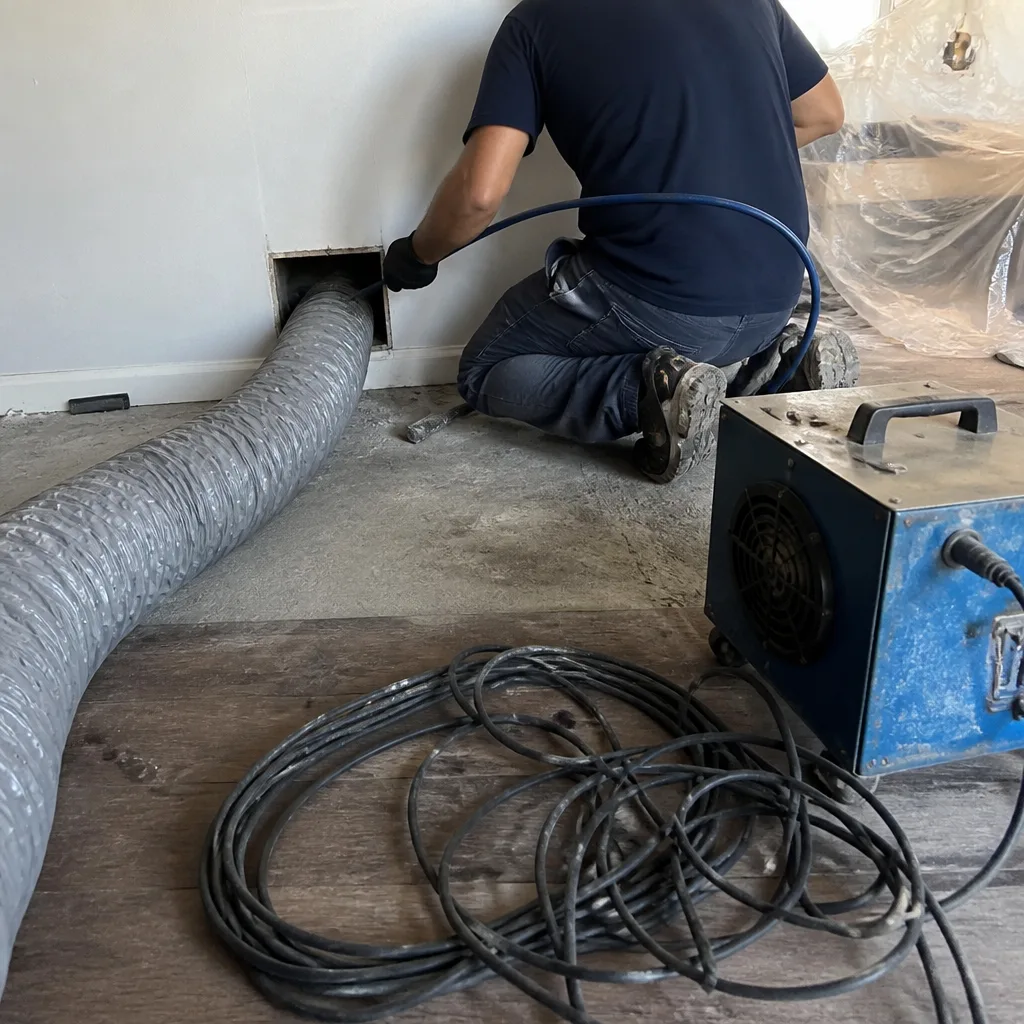 Before
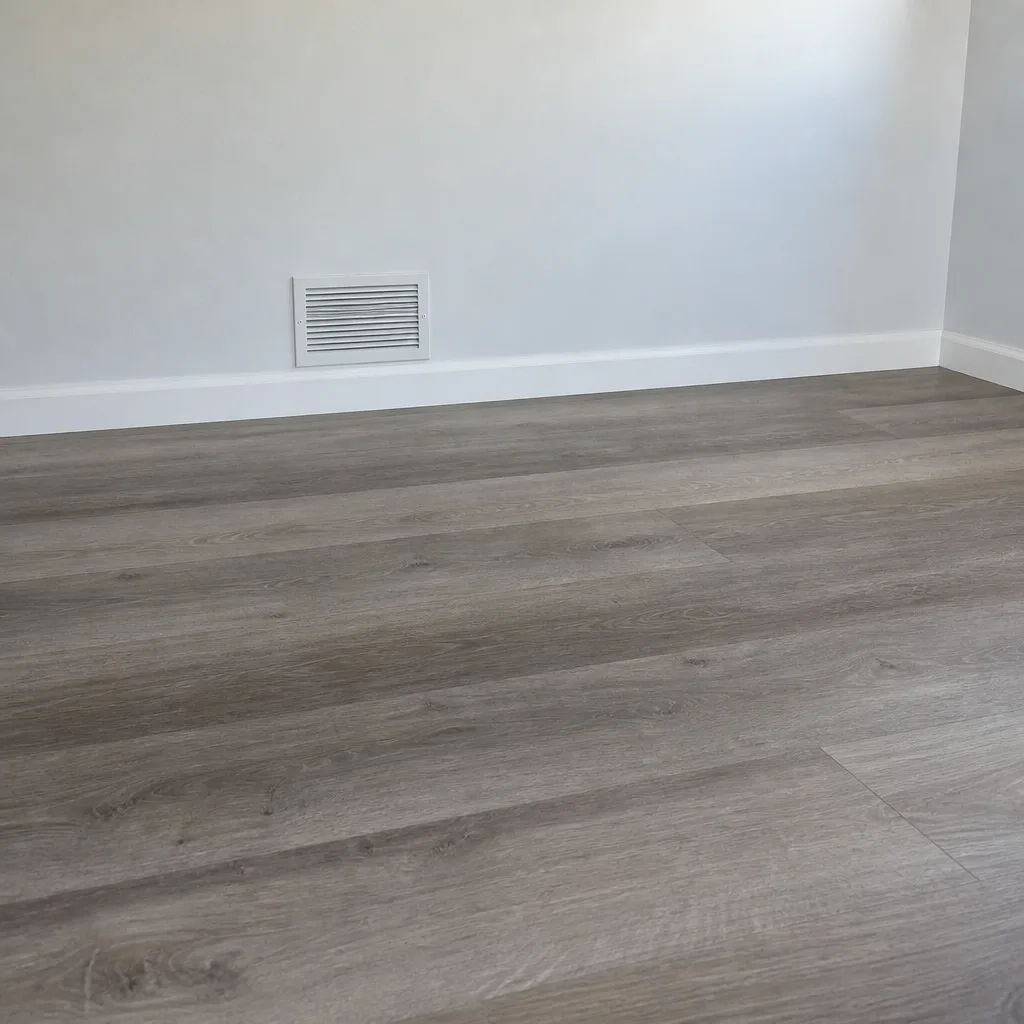 After
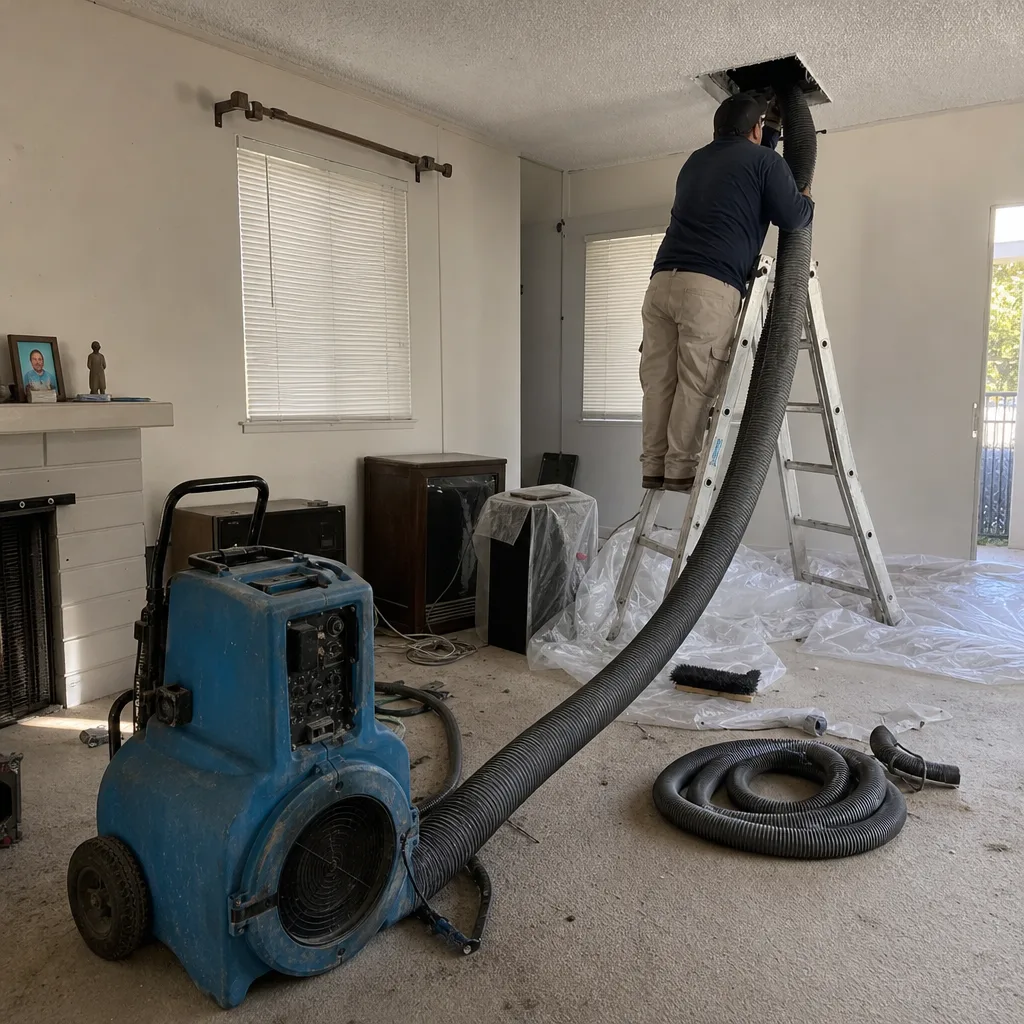 Before
 After
 Before
 After