
Last updated November 4, 2026
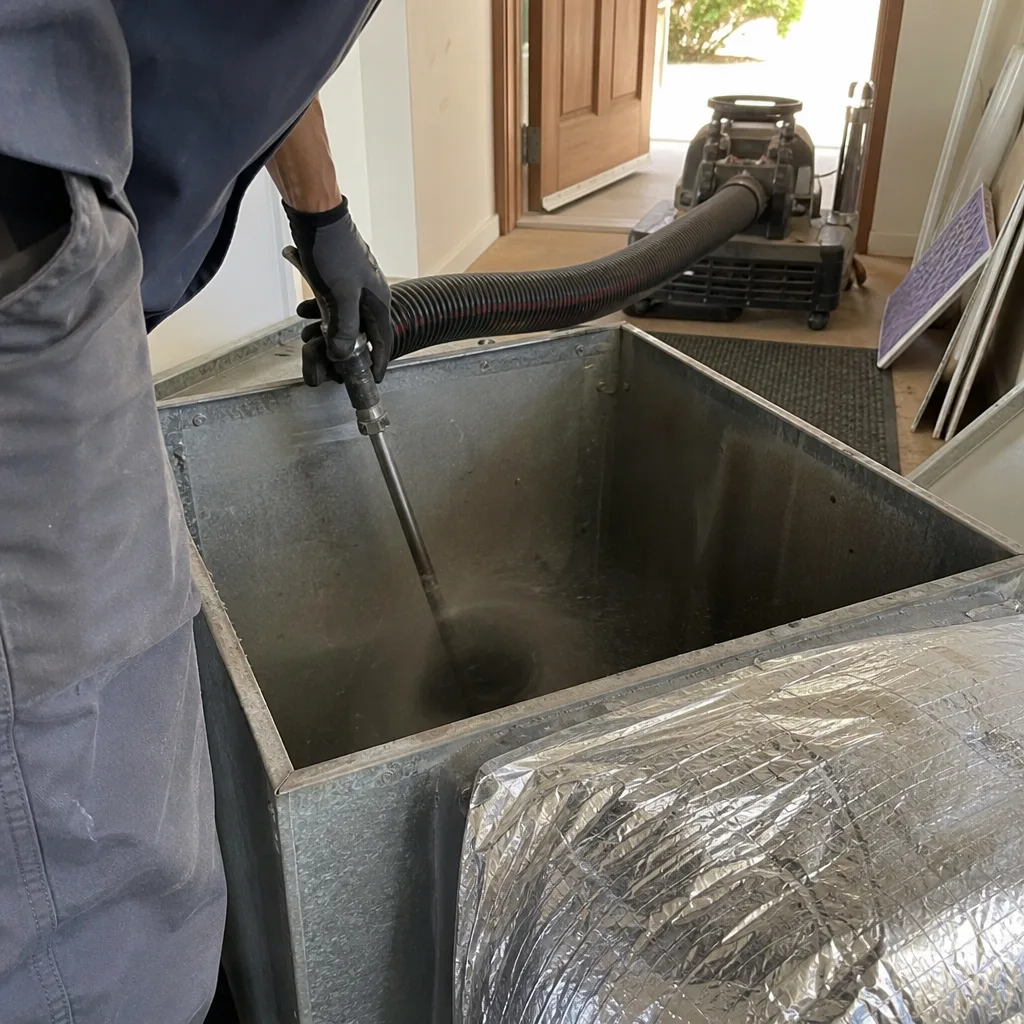
 Whole-home duct cleaning
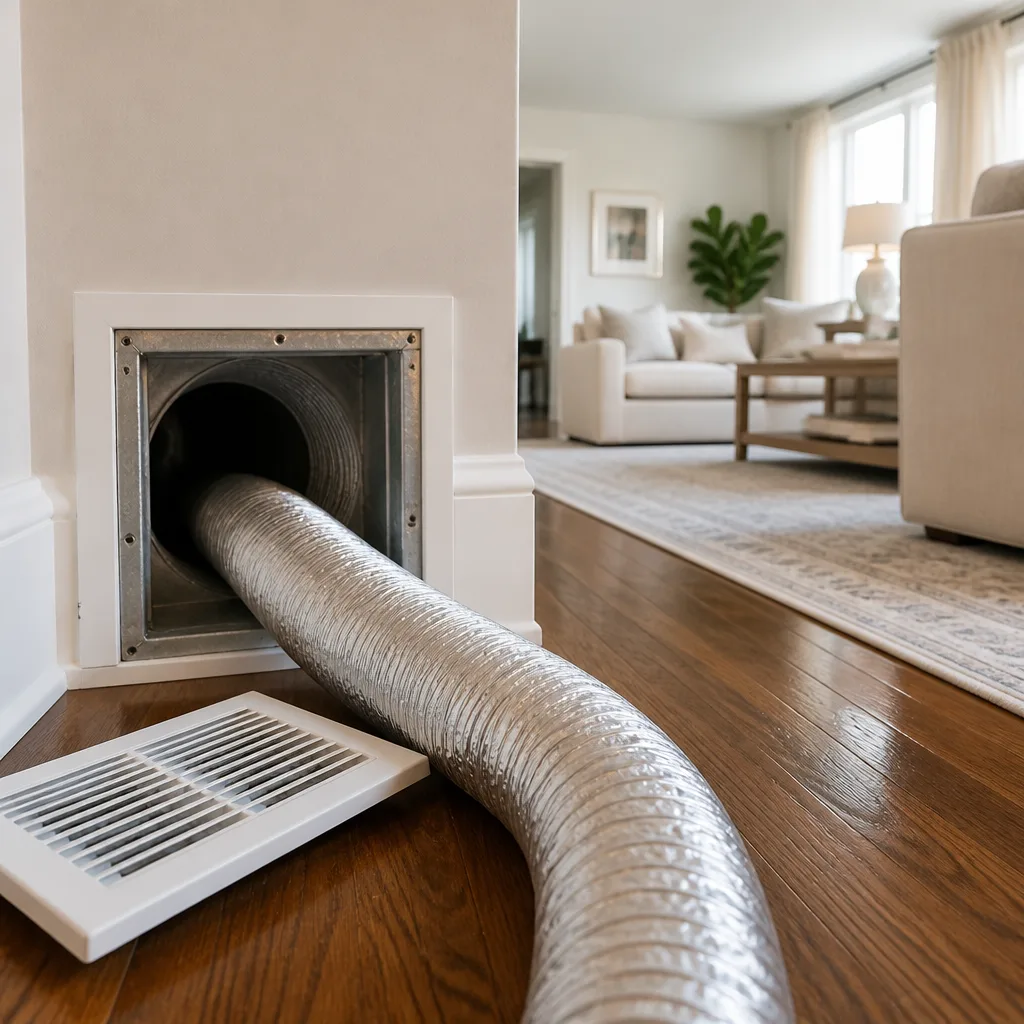
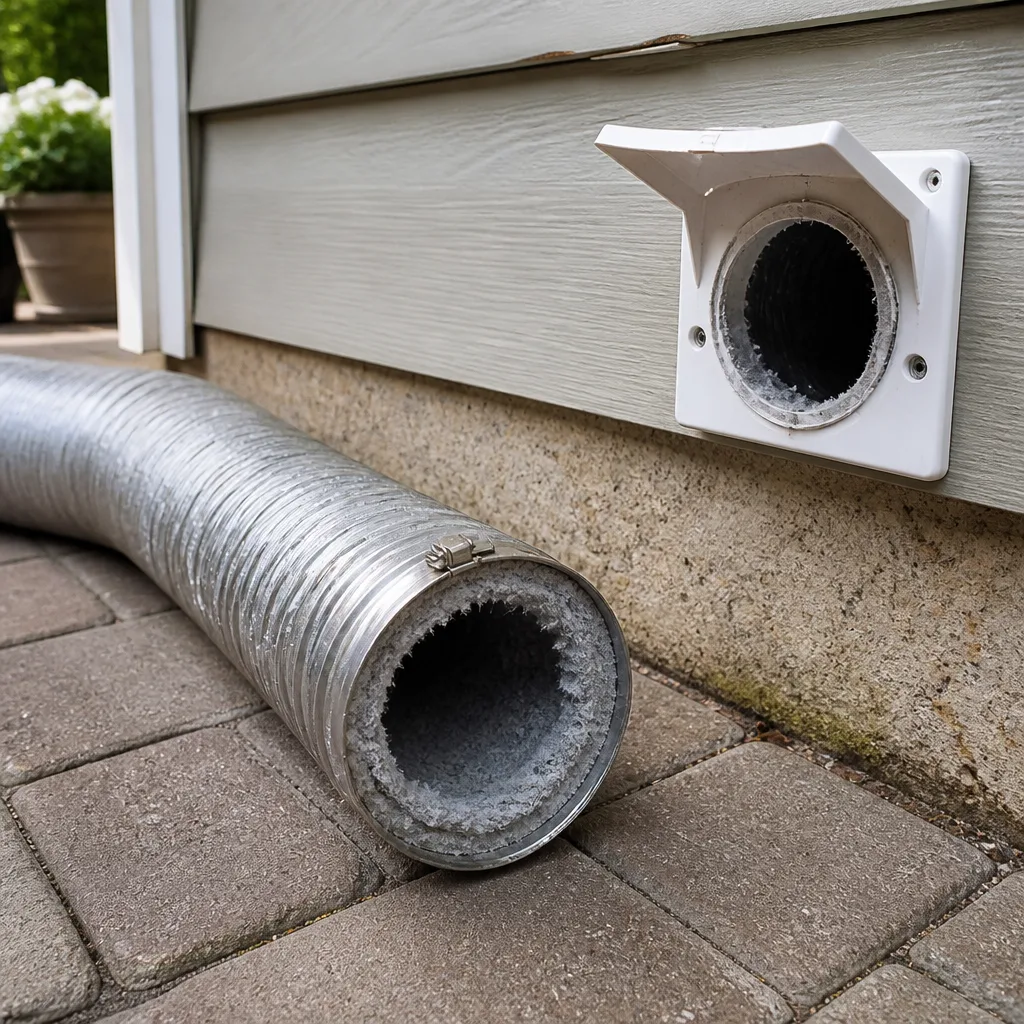 Dryer vent cleaning
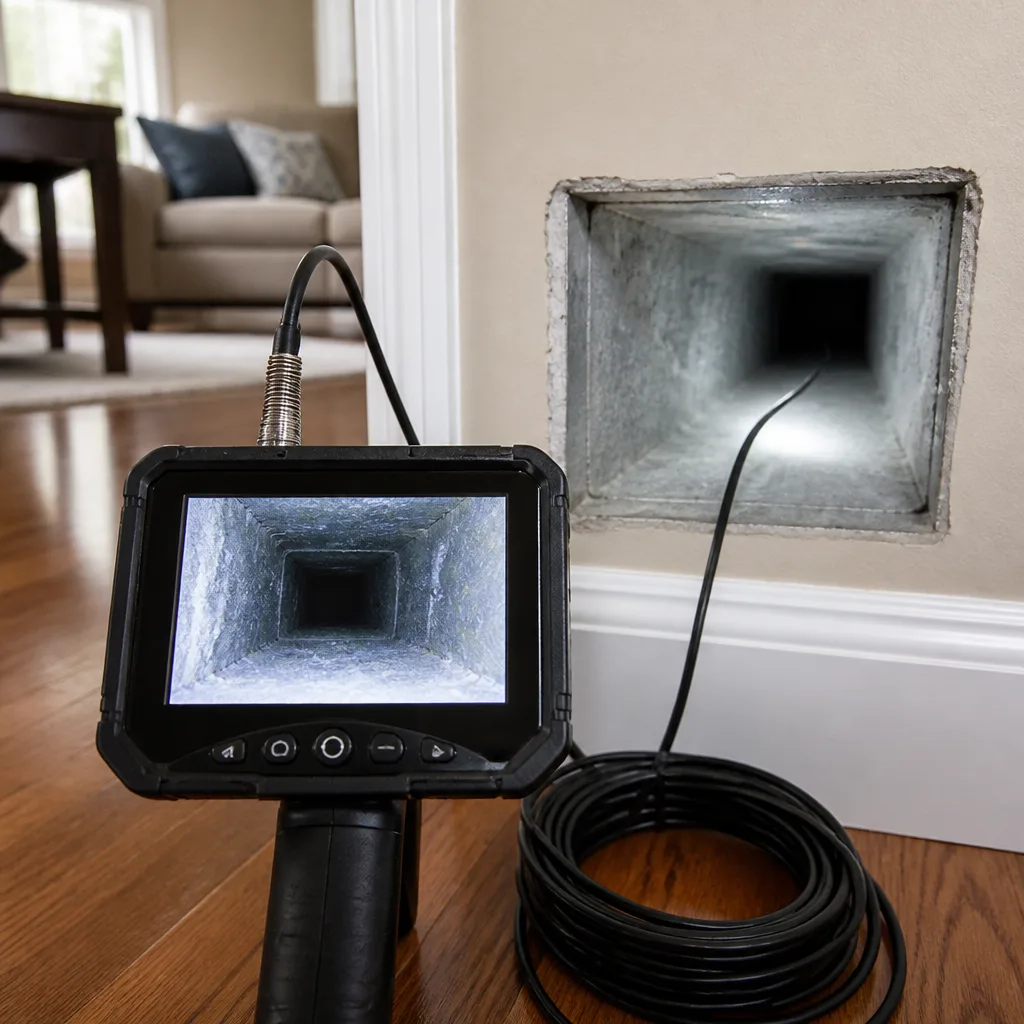 Camera inspection
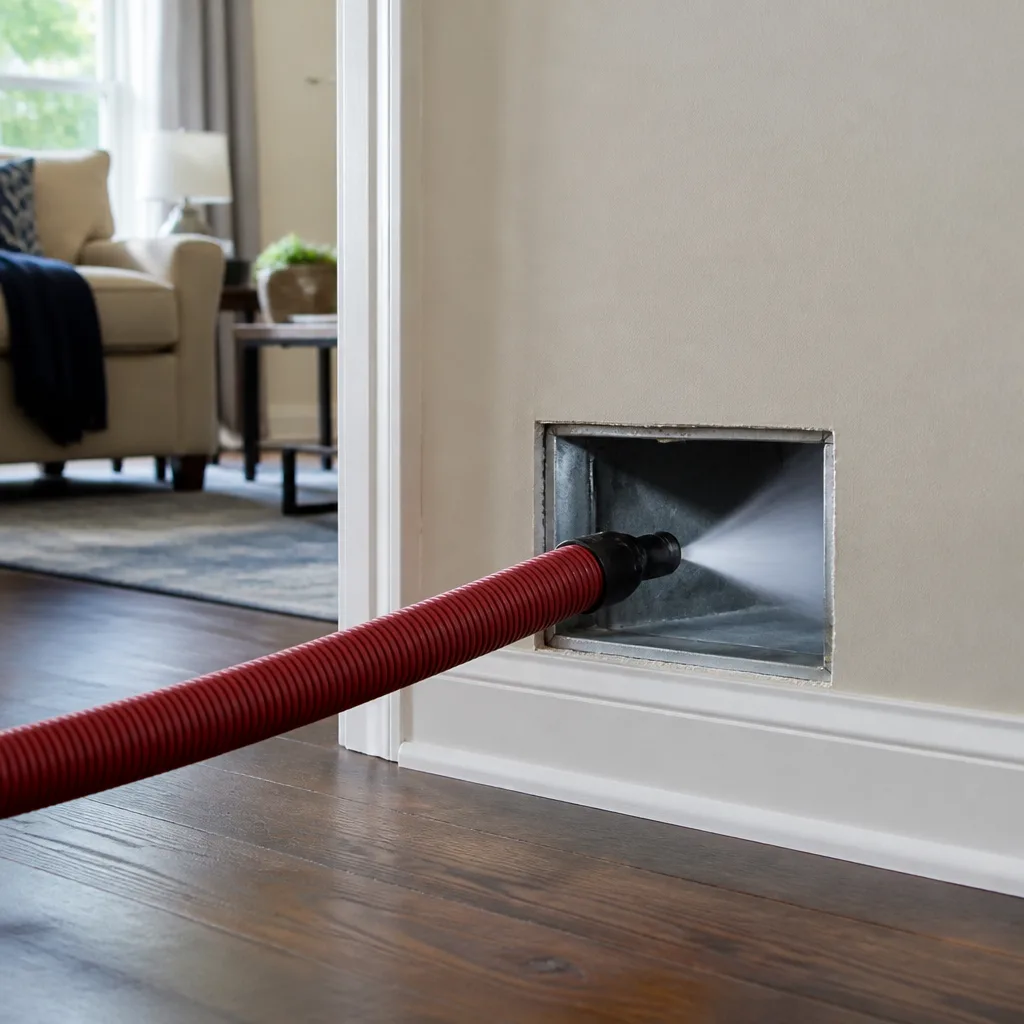 Sanitizing & deodorizing
Whole-system duct and dryer vent check with before-and-after photos - you see exactly what came out of your vents
That "$99 whole-house special" is a bait ad - the real number appears once they are in your hallway, or the "clean" is a shop-vac at the register. We photograph the inside of your ducts before and after instead.
Seasonal Air Duct Cleaning Care for Lakewood: Year-Round Homeowner’s Guide
Lakewood averages fewer than 30 days below 50°F in a typical year, so it’s easy to assume your HVAC system has an easy life compared to inland markets. That assumption is exactly what makes duct problems sneak up on homeowners here. The reality is that Lakewood’s marine layer, Santa Ana winds, and wildfire smoke patterns create distinct seasonal stress points that load duct interiors with moisture and particulate matter at specific times. This guide walks through what actually happens inside your ducts month by month in Lakewood, when to act, and what to watch for before problems become visible.
Quick Answer
The most important times for air duct cleaning in Lakewood are late winter (before March marine layer return), mid-summer (when June Gloom humidity has peaked inside return air ducts), and late fall (after Santa Ana wind events have loaded duct interiors with particulate). A professional air duct cleaning typically addresses this on a schedule built around Lakewood’s actual climate patterns, not a generic “every three years” rule. Between cleanings, filter management and return air awareness matter more than most homeowners realize.
Styles & brands we work with
- Whole-home duct cleaning
- Dryer vent cleaning
- Camera inspection
- Sanitizing & deodorizing
Table of Contents
- Why Lakewood’s Climate Is Different From What Most Guides Assume
- The June Gloom Effect: Marine Layer Humidity and Internal Duct Condensation
- Santa Ana Wind Events: The Particulate Loading Season
- Wildfire Smoke Season: How Lakewood’s Geography Funnels Particulate
- Why Lakewood’s Mild Winter Creates a False “Low Risk” Perception
- Month-by-Month Action Calendar for Lakewood Homeowners
- Filter Upgrades That Matter Before May
- Common Mistakes to Avoid
Why Lakewood’s Climate Is Different From What Most Guides Assume
Most seasonal HVAC advice online is written for places with real winters, real summers, and a defined four-season rhythm. Lakewood operates on a coastal marine pattern that doesn’t match any of that. The city sits in a zone where the Pacific marine layer rolls inland consistently from late spring through mid-summer, then gives way to hot, dry inland air pushed by Santa Ana winds in the fall. Your ducts experience two very different stress patterns, and they happen in a sequence that generic advice doesn’t address.
The practical result: your HVAC system doesn’t get a true “off season.” It gets a humid season and a particulate season, back to back, with no reset in between. That’s why we approach Fortress Air Duct Cleaning schedules around Lakewood’s actual weather patterns rather than a one-size-fits-all calendar. We’ve seen the same pattern repeat: homeowners who treat duct cleaning as a random maintenance item end up with more buildup than those who align service with climate windows.
Knowing when your duct system is under the most stress changes how you think about maintenance. The sections below break down each stress period, what it does to your system, and what to do about it.
The June Gloom Effect: Marine Layer Humidity and Internal Duct Condensation
Lakewood’s June Gloom is the single most overlooked duct stressor in the region. From roughly June through August, the marine layer pushes cool, moisture-laden air inland nearly every morning. Your return air ducts pull that humid air into the system continuously. When that air hits cooler metal surfaces inside ductwork, condensation forms: not on the outside of ducts where you’d see it, but on interior surfaces hidden from view.
That interior moisture doesn’t dry out quickly in Lakewood’s mild climate. It lingers, and in the presence of accumulated dust, pet dander, and organic particulate, it creates exactly the conditions that encourage biological growth inside duct runs. Homeowners in inland cities with dry heat rarely face this. Lakewood homeowners deal with it every summer.
What to watch for:
- A persistent musty odor when the system first kicks on, strongest in the morning
- Visible moisture or water staining around return air registers during humid weeks
- An increase in allergic reactions or respiratory irritation that worsens in summer, not spring
- Dark streaking or spotting on interior duct surfaces visible during filter changes
If you’re seeing any of these, the right move is a professional inspection. We use contractor-grade Rotobrush and Nikro equipment to assess and clean interior duct surfaces, which matters because consumer-grade vacuums can’t reach the interior surfaces where June Gloom condensation accumulates. This is also where the Lakewood climate demands more from your system than a dry inland climate would.
Santa Ana Wind Events: The Particulate Loading Season
Santa Ana wind events hit Lakewood hardest in September through November, though they can start as early as late August. These are offshore winds, blowing from the dry interior toward the coast. They carry fine dust, pollen, and particulate matter that’s been sitting on inland surfaces, and they push that load directly through your return air intakes.
Here’s what most homeowners miss: during Santa Ana events, even a well-maintained filter gets overwhelmed. The volume of particulate is high enough that some bypasses the filter entirely and settles on the interior surfaces of your ductwork. Day after day of Santa Ana conditions layer that particulate until it forms a coating on duct walls. When the wind finally stops, that coating remains, and it becomes the base layer for everything else that enters your system over the following months.
The sequence matters:
- Santa Ana winds load ducts with fine particulate (September through November)
- Marine layer humidity returns or continues, binding that particulate to duct surfaces
- Particle accumulation narrows effective airflow and reduces system efficiency
- Spring pollen adds another layer before the cycle repeats
If you clean your ducts before Santa Ana season but not after, you’re cleaning the low-point of the year and ignoring the biggest loading event. Cleaning after Santa Ana season, typically late November or December, removes the particulate before it sets and binds.
Wildfire Smoke Season: How Lakewood’s Geography Funnels Particulate
Wildfire smoke is a late-summer and fall reality for Lakewood, and the city’s position creates a specific pattern. Smoke from inland fires gets pulled toward the coast by the same offshore pressure gradients that drive Santa Ana winds. Lakewood sits directly in that corridor. When fires burn in the San Gabriel or San Bernardino mountains, or further inland, smoke particulate travels through the basin and settles across Lakewood and surrounding communities.
Smoke particulate is smaller and finer than typical household dust. It passes through lower-grade filters without any resistance and accumulates inside duct runs. Homeowners often notice a smoky smell lingering indoors even after outdoor air clears, and that smell often comes from ducts holding smoke particulate. The ducts become a reservoir that re-releases odor every time the system runs.
What works:
- High-MERV filters rated for smoke particulate, checked frequently during fire season
- Running the system on recirculate during heavy smoke days to minimize fresh smoke intake
- Professional duct cleaning after a significant smoke event, not just after fires directly adjacent to Lakewood
- Considering whole-home filtration that addresses smoke specifically
We work with Honeywell and Aprilaire filtration systems for homeowners who want a filter setup that handles Lakewood’s smoke particulate load. The key is matching filter capacity to the actual particulate size coming through your returns, not just buying the highest MERV rating available without checking system compatibility.
Why Lakewood’s Mild Winter Creates a False “Low Risk” Perception
Lakewood winters rarely get cold enough to force continuous heating, and that’s precisely why homeowners assume the off-season is low-risk. The opposite is closer to the truth. During low-use months, air inside duct runs stagnates. Without regular airflow to disturb settled particulate, dust and debris rest against duct surfaces for weeks or months at a time. Any residual moisture from the previous summer’s marine layer has time to set and bind that particulate.
Then spring arrives, the system kicks back on, and everything that settled during the dormant period gets circulated through your home all at once. That’s the “spring dust burst” many Lakewood homeowners experience without connecting it to ducts. The dust didn’t come from nowhere. It accumulated quietly during months when the system ran less.
In our experience, late winter, typically February, is one of the best windows for duct service in Lakewood. The marine layer is weakest, humidity is lower, and the system has been dormant long enough for all particulate to settle where it can be accessed and removed. Cleaning at this point resets the system before the June Gloom humidity cycle begins. We also practice dryer vent cleaning as part of seasonal care, since dryer exhaust and duct systems both accumulate during the same low-use windows.
Month-by-Month Action Calendar for Lakewood Homeowners
This calendar aligns with Lakewood’s actual climate pattern rather than generic seasonal advice.
January – February
The best cleaning window of the year. Marine layer influence is at its lowest, particulate from Santa Ana season has settled, and the system is running lightly. Book duct cleaning now if it’s been more than two years, or if you noticed any summer odor or visible buildup. Check all return air registers for dust accumulation.
March – April
Marine layer begins its return. Start checking for morning condensation near return air registers. Replace filters before heavy spring pollen arrives. If you didn’t clean in February, schedule before May. This is the second-best window.
May
June Gloom is about to arrive. Upgrade or replace filters now, before humidity peaks. If you’ve noticed musty smells in previous summers, this is the time to address them, not after they’re already active. Inspect return air ducts for visible moisture during early morning system operation.
June – August
Peak marine layer humidity. Monitor for musty odors, visible condensation, or respiratory changes that suggest interior duct moisture. Run the system regularly even if cooling needs are low; airflow disrupts moisture settlement. If odor or moisture appears, call for assessment rather than waiting.
September – October
Wildfire smoke season peaks, and Santa Ana winds begin. During heavy smoke events, run the system on recirculate. Check filters weekly if fires are active within 100 miles. Note any lingering smoke smell indoors after outdoor air clears.
November – December
Post-Santa Ana and post-fire season cleaning window. If you skipped February, this is the alternative. Removing particulate that accumulated during fall prevents it from binding through the dormant winter months. A good time for dryer vent inspection and cleaning as well, especially before holiday laundry volume increases.
Filter Upgrades That Matter Before May
Filter management in Lakewood is more important than in most markets because the particulate profile changes by season: marine-layer biological matter in summer, smoke and wind-blown dust in fall, and settled indoor dust in winter. A single filter grade year-round doesn’t address all three.
Before May, when June Gloom begins, consider these steps:
- Install a filter rated MERV 8 or higher to capture pollen and summer biological matter
- Check filter fit: gaps around the filter frame let unfiltered air bypass the media entirely
- For homes with smoke sensitivity, have a professional verify whether your system can handle a MERV 11 filter without restricting airflow
- Set a calendar reminder to check filters every 30 days during June through November
Honeywell and Aprilaire filtration systems are common in Lakewood homes, and we service both brands. The right approach depends on your system’s airflow capacity, not just the filter packaging claims. We also recommend Abatement Technologies filtration for homes that need remediation-level particulate capture during smoke season. For duct interiors that need protective treatment after cleaning, Guardsman-brand coatings are part of our toolkit, though only when the condition of the ductwork warrants it.
Common Mistakes to Avoid
- Cleaning on a random schedule. Duct cleaning in Lakewood should be timed to climate windows: post-Santa Ana season or late winter. Cleaning at random points means you’ll likely clean before the biggest loading events, not after.
- Ignoring return air registers during June Gloom. Return registers are where humid outside air enters the system. If they’re dirty or obstructed during humid months, condensation problems worsen. Check them monthly from June through August.
- Assuming a mild winter means no maintenance needed. Dormant ducts accumulate settled particulate that releases in spring. Late winter cleaning catches this before it circulates.
- Using low-grade filters during smoke season. Lakewood gets smoke particulate from fires far beyond its own borders. Low-grade filters let that particulate into the duct system where it lingers for months.
- Treating dryer vents as an afterthought. Dryer vent cleaning is fire hazard prevention, not an upsell. Lint accumulation in the vent line is a combustion risk. Lakewood homes with longer vent runs or frequent laundry loads need attention at least annually.
- Hiring on price alone for duct work. Consumer-grade equipment cannot reach interior duct surfaces where condensation and particulate settle. Professional-grade Rotobrush and Nikro equipment accesses what a shop-vac setup leaves behind. The cheap bid often skips the parts of the system that matter most.
- Ignoring lingering smoke smell indoors. If smoke smell persists after outdoor air clears, it’s likely held in duct interiors. Waiting means the particulate sets and becomes harder to remove.
See the difference
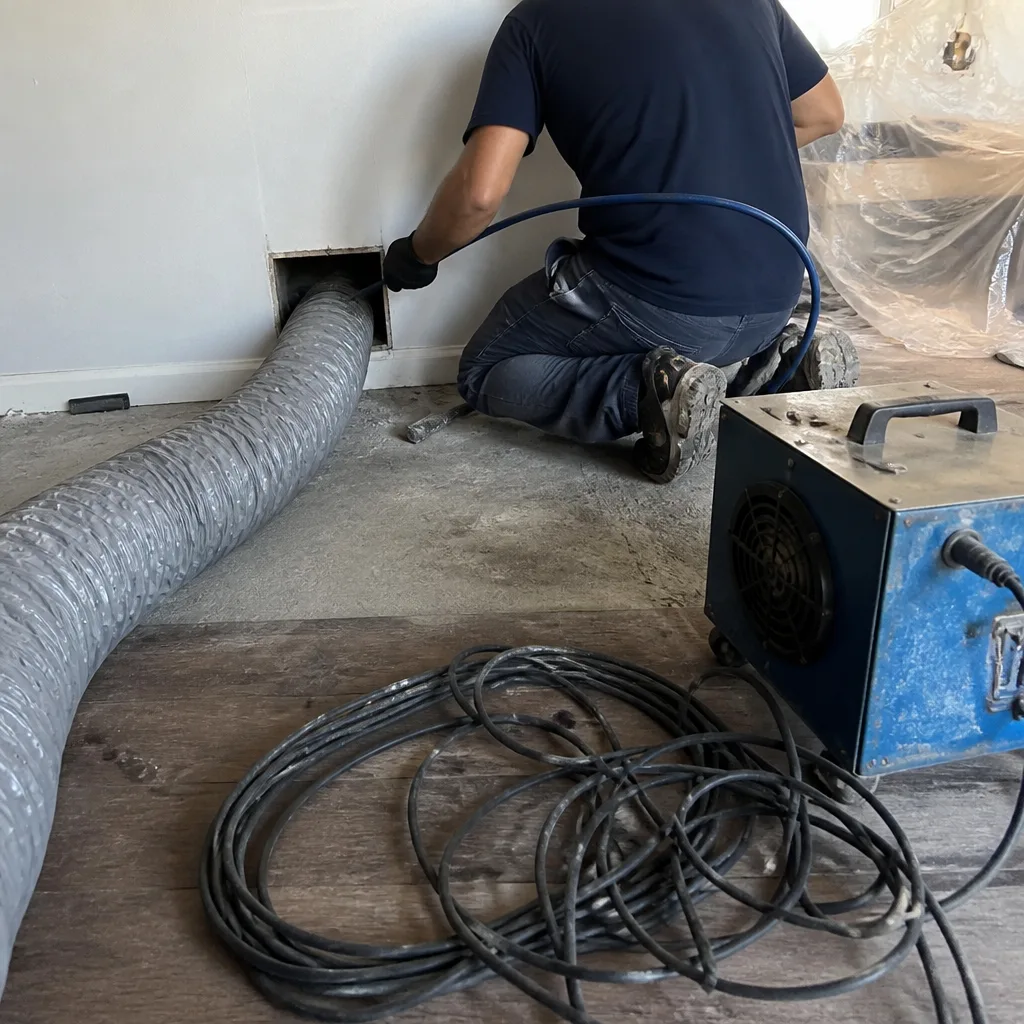 Before
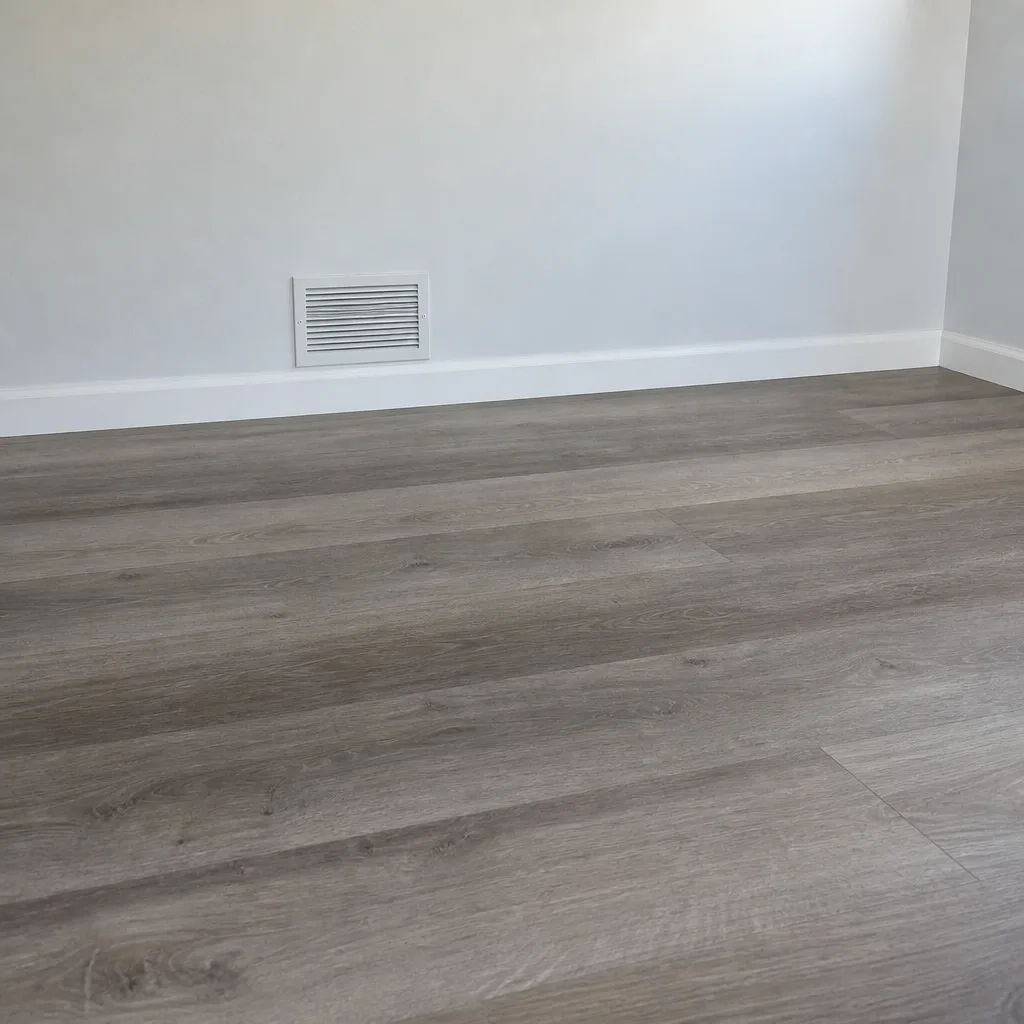 After
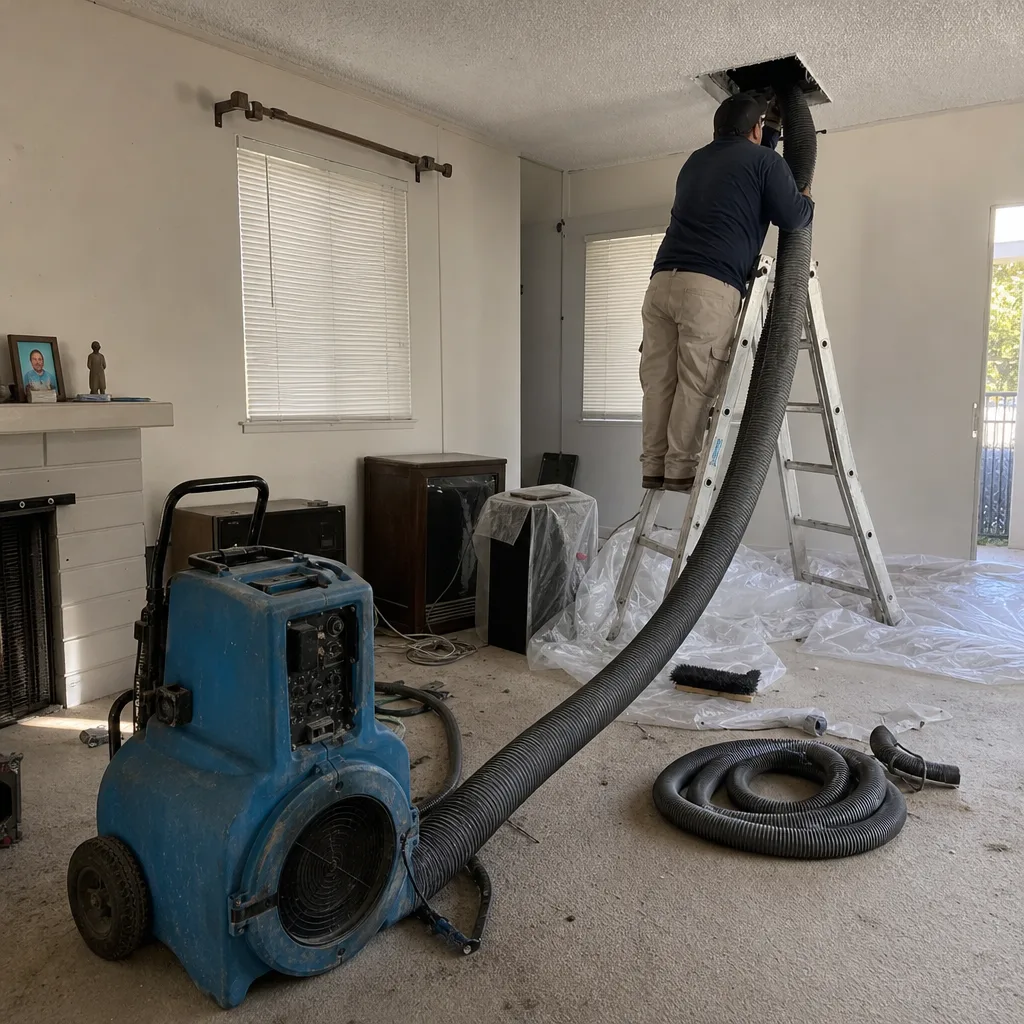 Before
 After
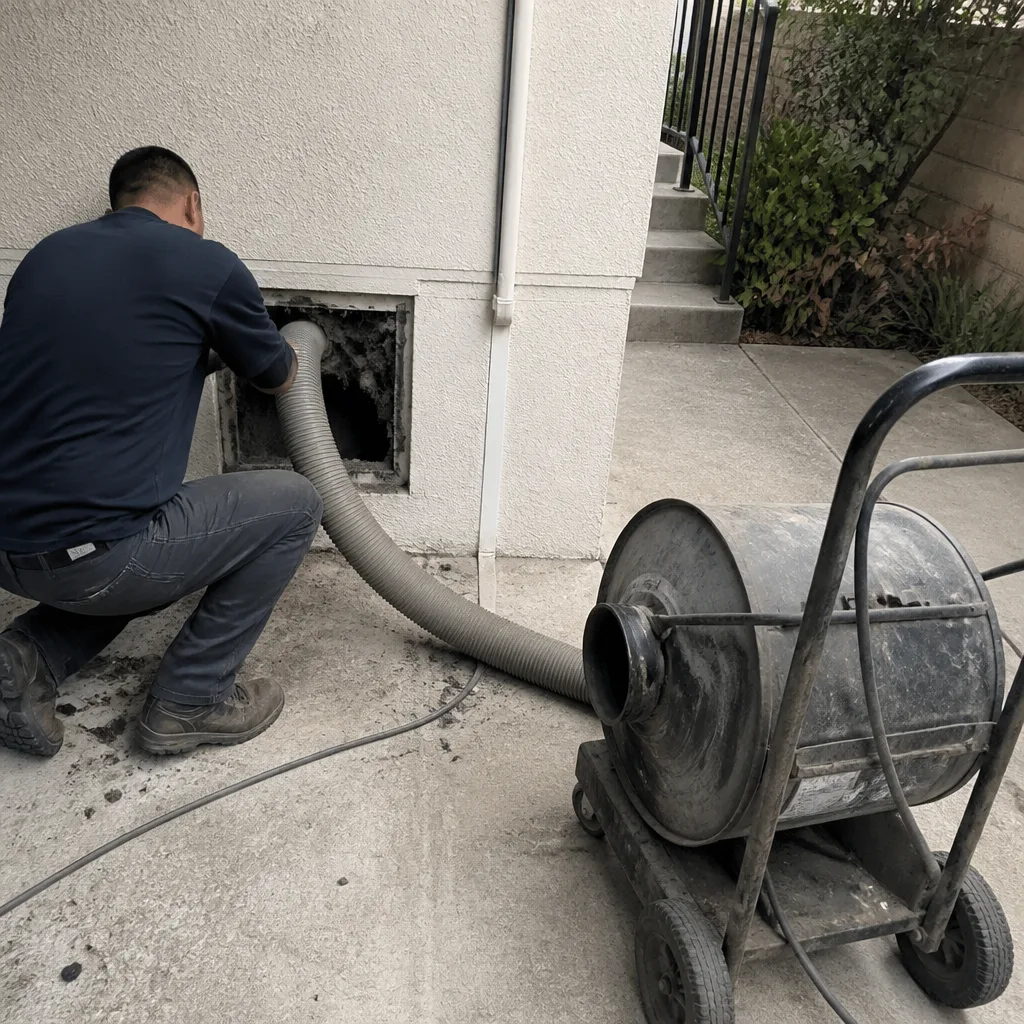 Before
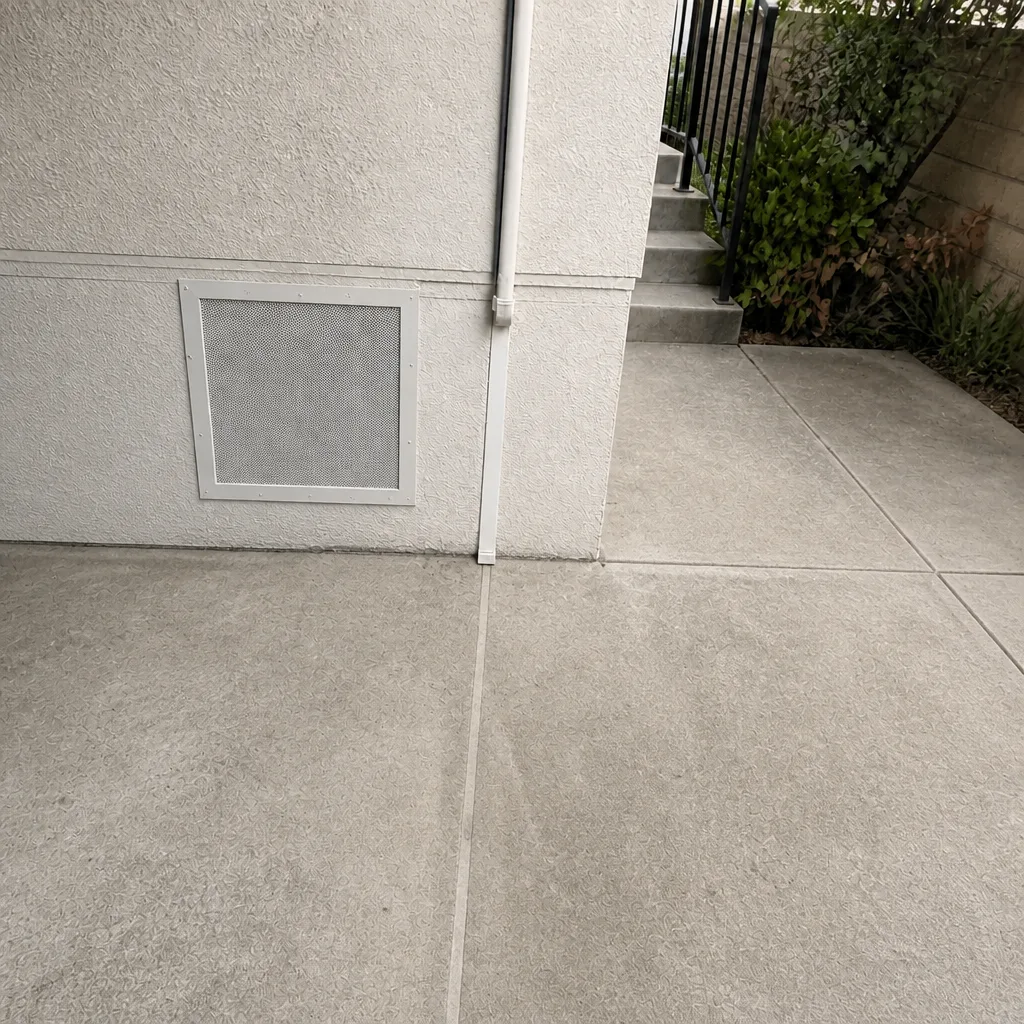 After
When to Call a Professional
Call a professional when you notice a persistent musty odor during system startup, visible moisture around return air registers during humid months, a lingering smoke smell after wildfire events have passed, or a sharp increase in dust accumulation despite regular filter changes. These indicate the problem is in the ducts themselves, not the filter, and no amount of DIY effort addresses interior duct surfaces. If your system is more than two years past its last cleaning, or if a renovation has introduced drywall dust and construction particulate into the return air path, that’s also a clear signal. Fortress Air Duct Cleaning offers free estimates in Lakewood. Call (833) 593-4030. We answer 24/7. Fast dispatch from 7am to 7pm, Sunday through Friday.
Frequently Asked Questions
Most Lakewood homes need air duct cleaning every two to three years, aligned to the climate windows described above. Homes with pets, smokers, recent renovations, or residents with respiratory conditions may need annual attention. The best timing is late winter or post-Santa Ana season, not randomly. Call (833) 593-4030 for an assessment of your specific system.
Yes. June Gloom introduces marine layer humidity into your return air path, which creates interior condensation on cool duct surfaces when the system runs. That moisture binds with dust and organic matter, encouraging biological growth that dry inland climates rarely experience. Monitoring return air registers and running the system regularly during humid months reduces but doesn’t eliminate the risk. If you’ve had musty summer odors before, address them before June, not after. Call (833) 593-4030 to schedule before humidity peaks.
You can change filters, clean return air register covers, and vacuum visible debris from register openings. You cannot access the interior length of duct runs without professional-grade equipment. Rotobrush and Nikro systems reach interior surfaces that consumer vacuums cannot. Attempting DIY cleaning with household tools often dislodges particulate without removing it, making indoor air quality worse rather than better. This is a job for trained professionals with proper equipment.
Lower quotes typically come from companies using consumer-grade vacuums or entry-level truck mounts that cannot access full duct runs. They may clean visible register openings while leaving interior surfaces untouched, which means you’re paying for partial work. Professional-grade equipment and a full system cleaning cost more because they actually address the surfaces where Lakewood’s marine layer condensation and Santa Ana particulate settle. A written estimate that shows the scope of work is the best way to compare honestly. Call (833) 593-4030 for a free estimate with a clear scope.
Ask for before-and-after photos of the interior duct surfaces. A professional service using contractor-grade equipment can show you what the ducts looked like before cleaning and what they looked like after. If a company won’t provide interior photos, ask why. We show before-and-after documentation on every job because it’s the only way a homeowner can verify the work. Call (833) 593-4030 to discuss what documentation you’ll receive.
No, air duct cleaning and dryer vent cleaning are separate services that address different systems. Your HVAC ducts carry conditioned air through the home. Your dryer vent carries exhaust outside. Both accumulate buildup and both need attention, but they require different service approaches. We handle both as air duct cleaning and dryer vent cleaning services, because Lakewood homeowners benefit from addressing both on a schedule that accounts for the same climate windows. Call (833) 593-4030 for a combined assessment if both systems are due.
The Bottom Line
Lakewood’s duct systems face a specific seasonal pattern: marine layer humidity in summer creates interior condensation; Santa Ana winds in fall load particulate into duct interiors; wildfire smoke adds fine particles that filters miss; and mild winters allow everything to settle and bind during dormant months. The maintenance calendar that actually works here looks different from generic advice: clean in late winter or post-Santa Ana season, upgrade filters before May, monitor return air during June Gloom, and check for smoke held in ducts after fire season. If it’s been two years or more since your last cleaning, or if you’ve noticed any of the warning signs in this guide, call (833) 593-4030. We answer 24/7. Fast dispatch from 7am to 7pm, Sunday through Friday.
Written by the team at Fortress Air Duct Cleaning, serving Lakewood since 2017.