
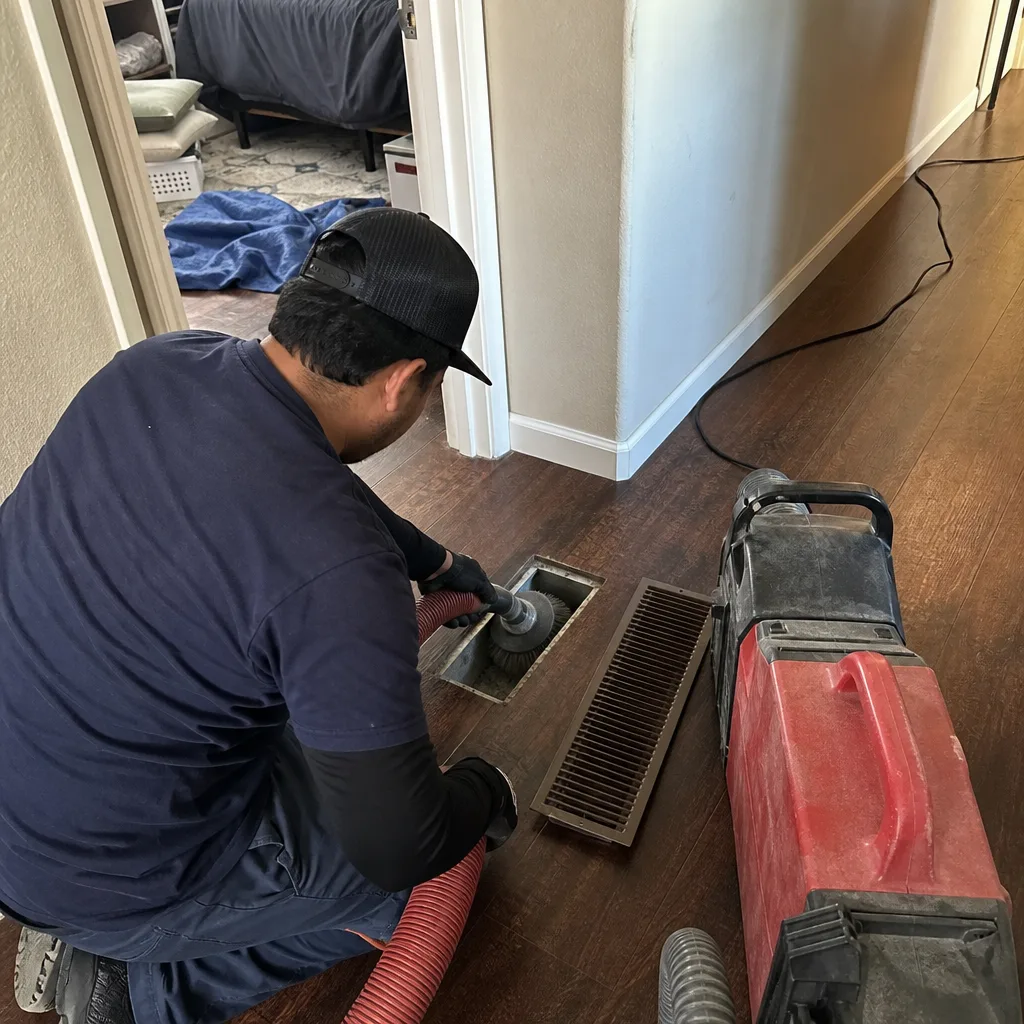
Last updated November 4, 2026
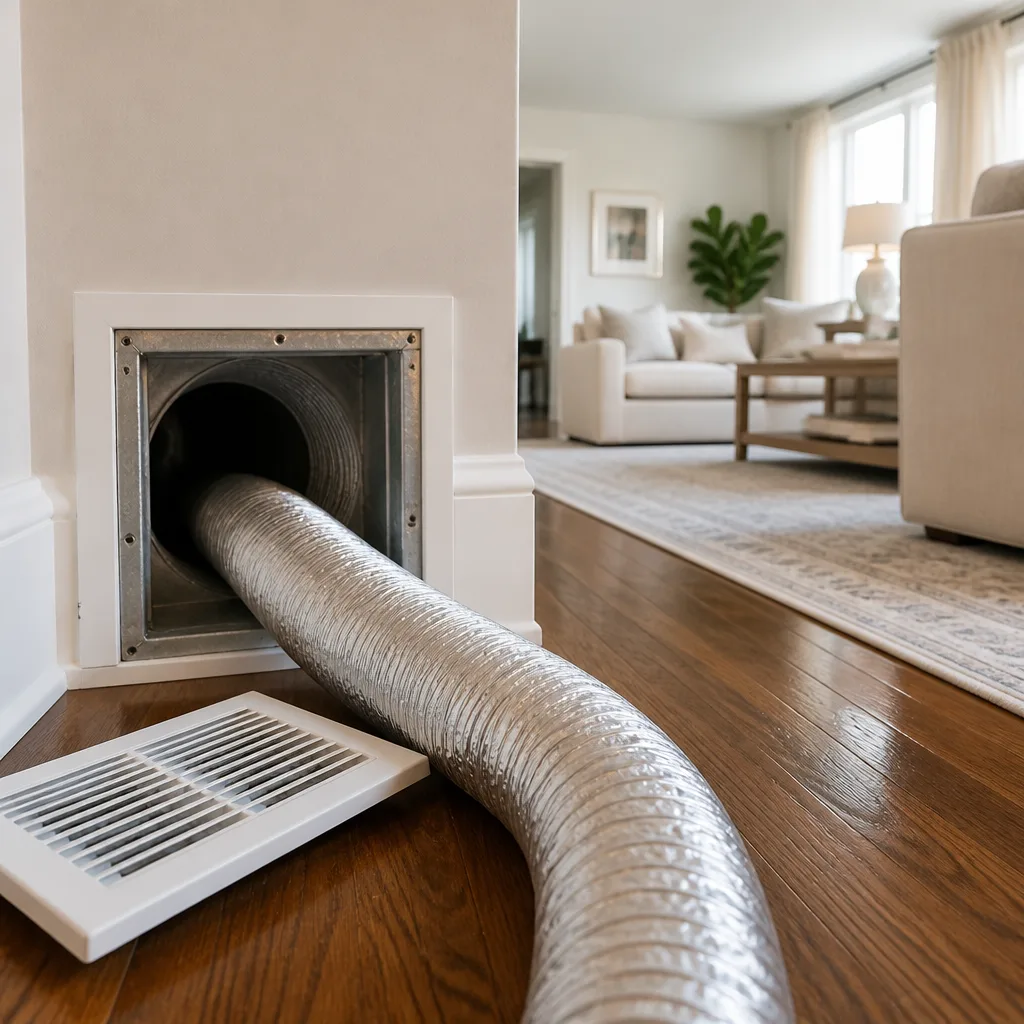 Whole-home duct cleaning
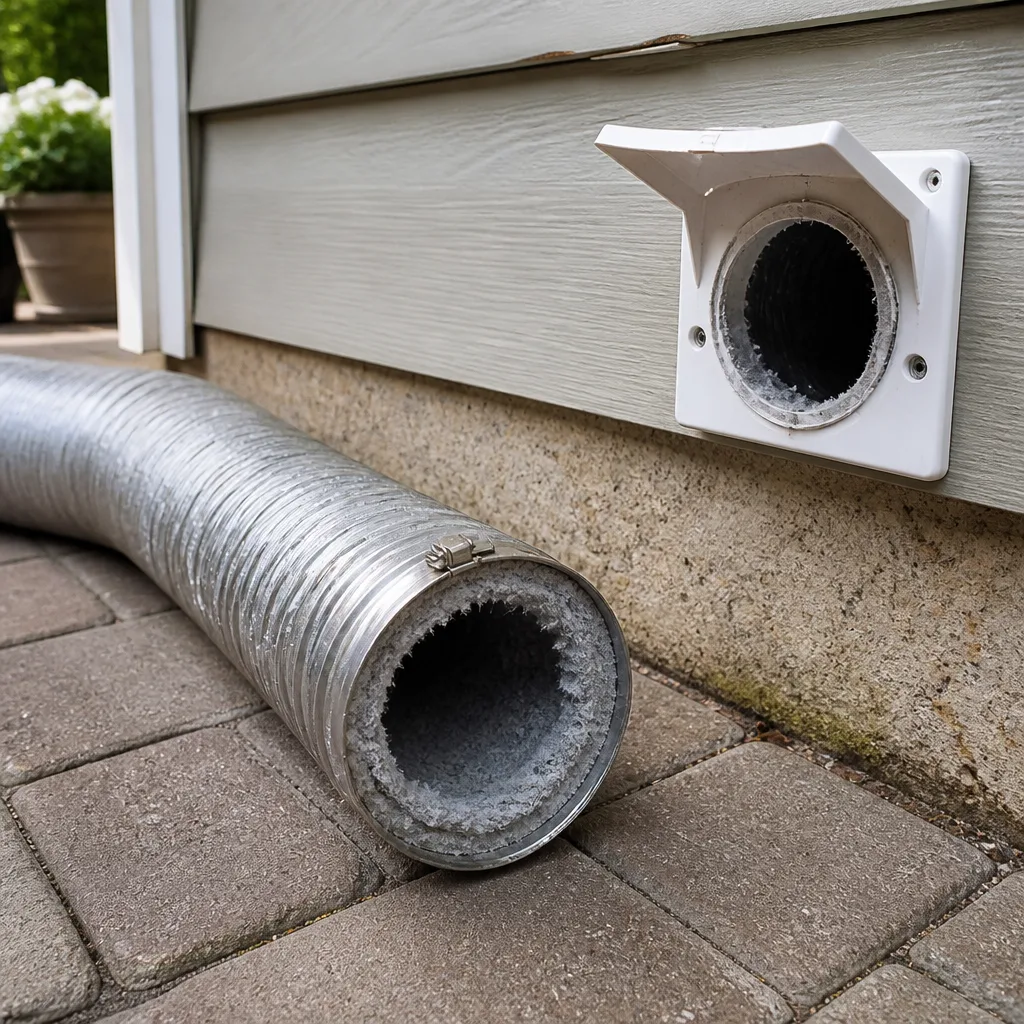 Dryer vent cleaning
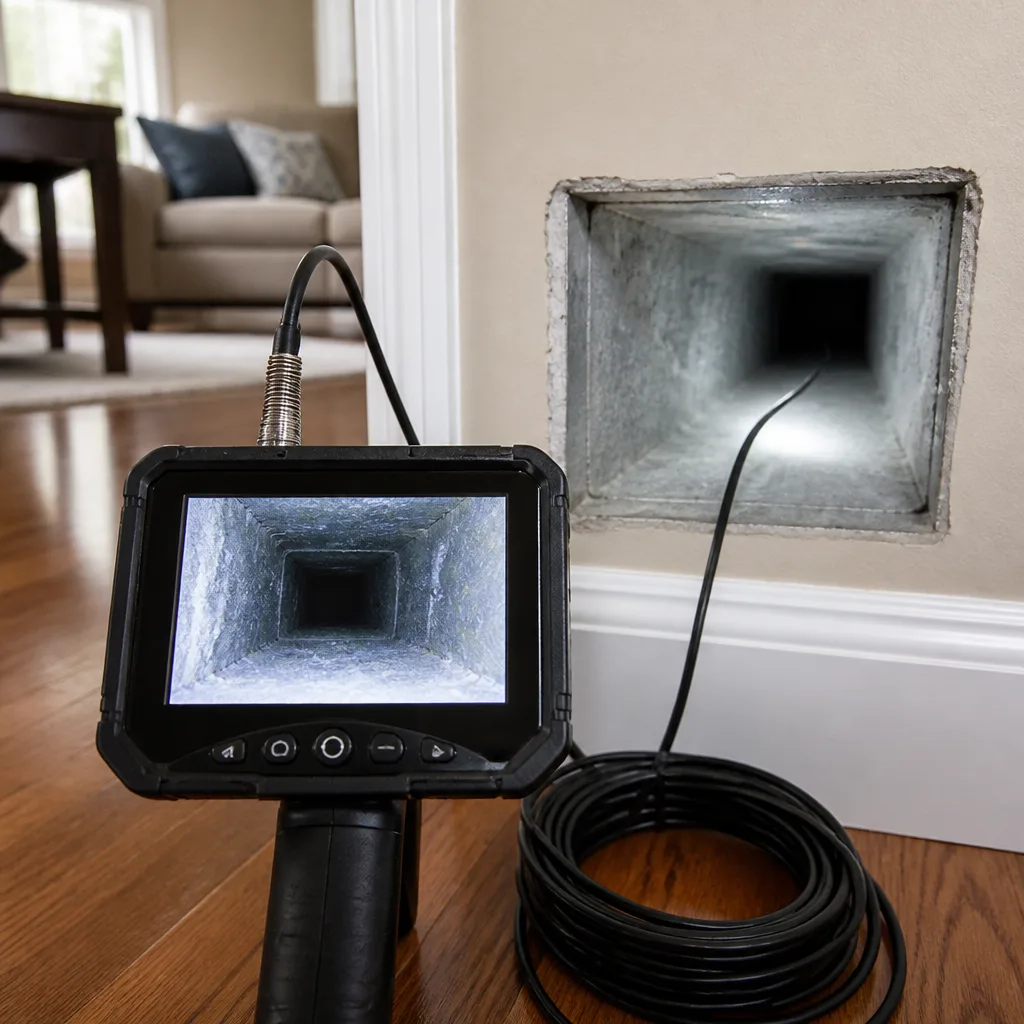 Camera inspection
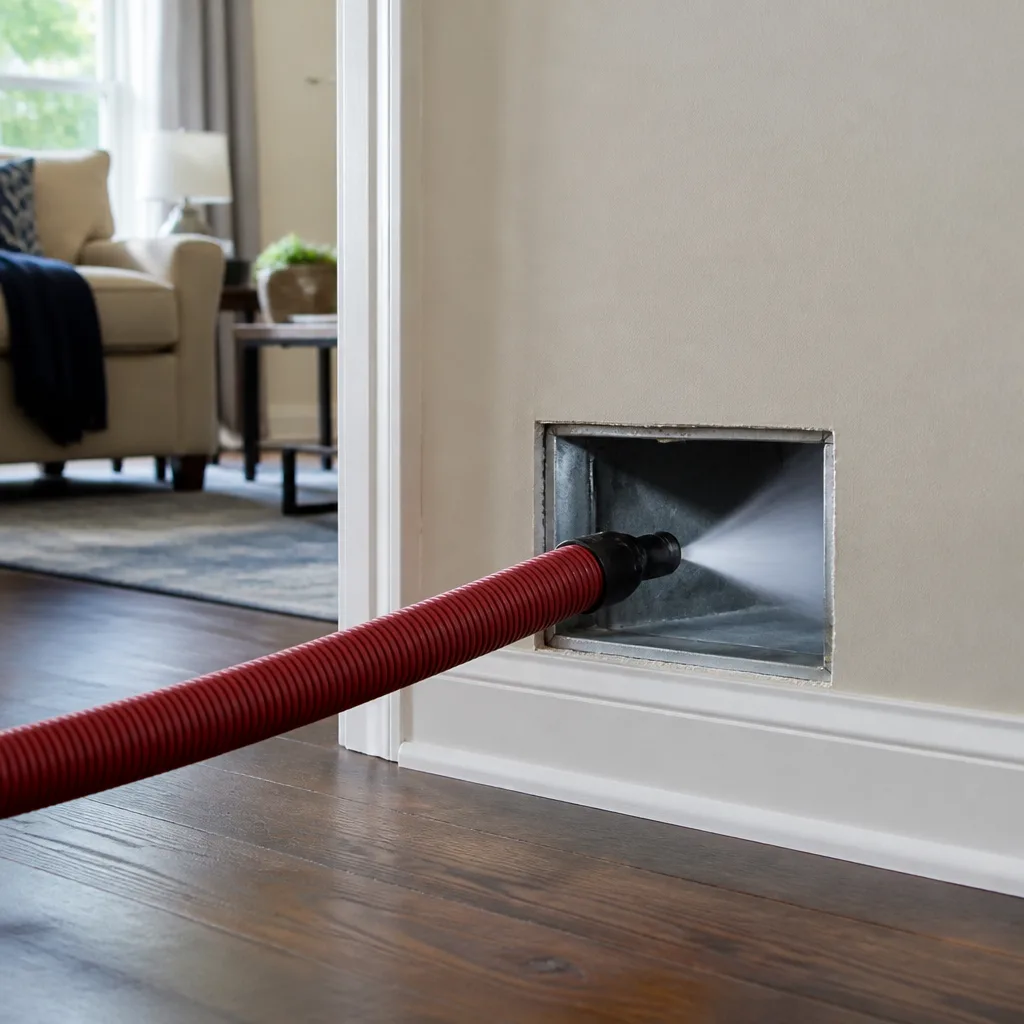 Sanitizing & deodorizing
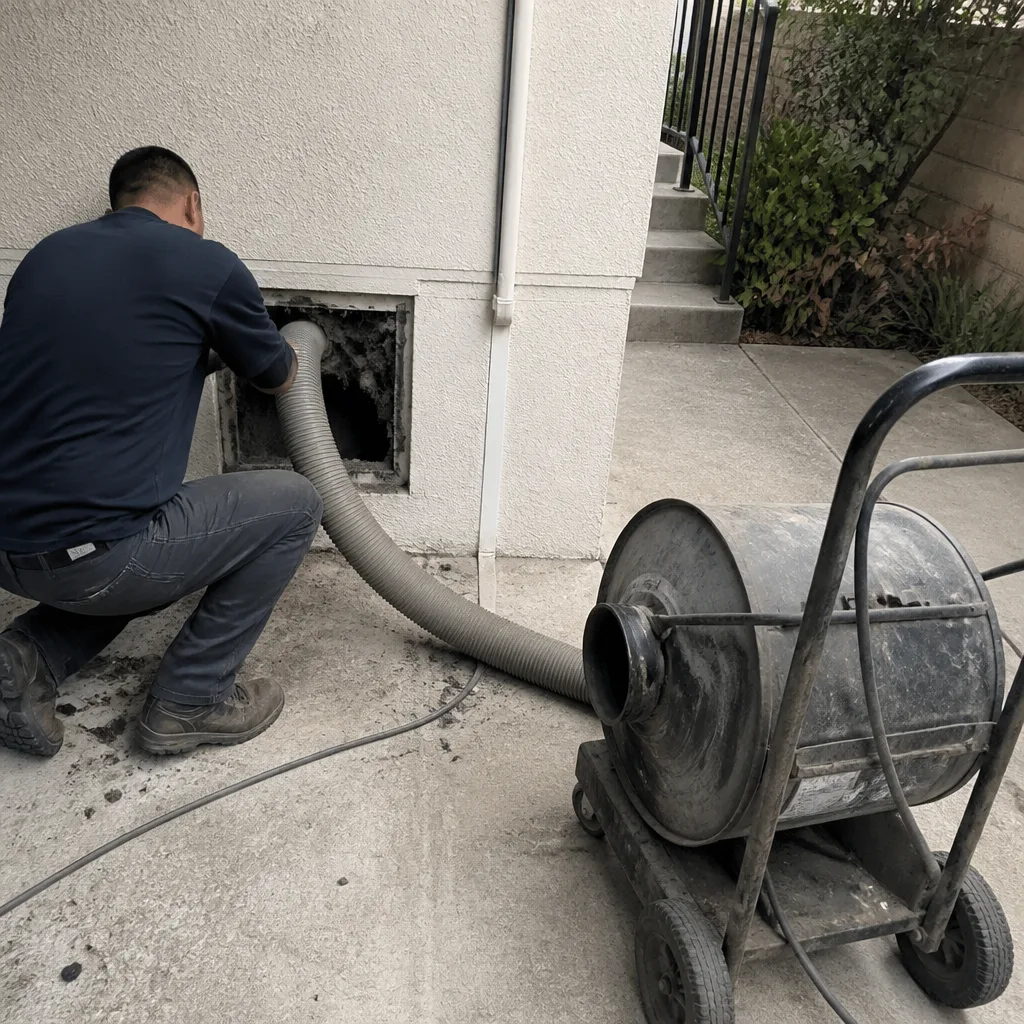
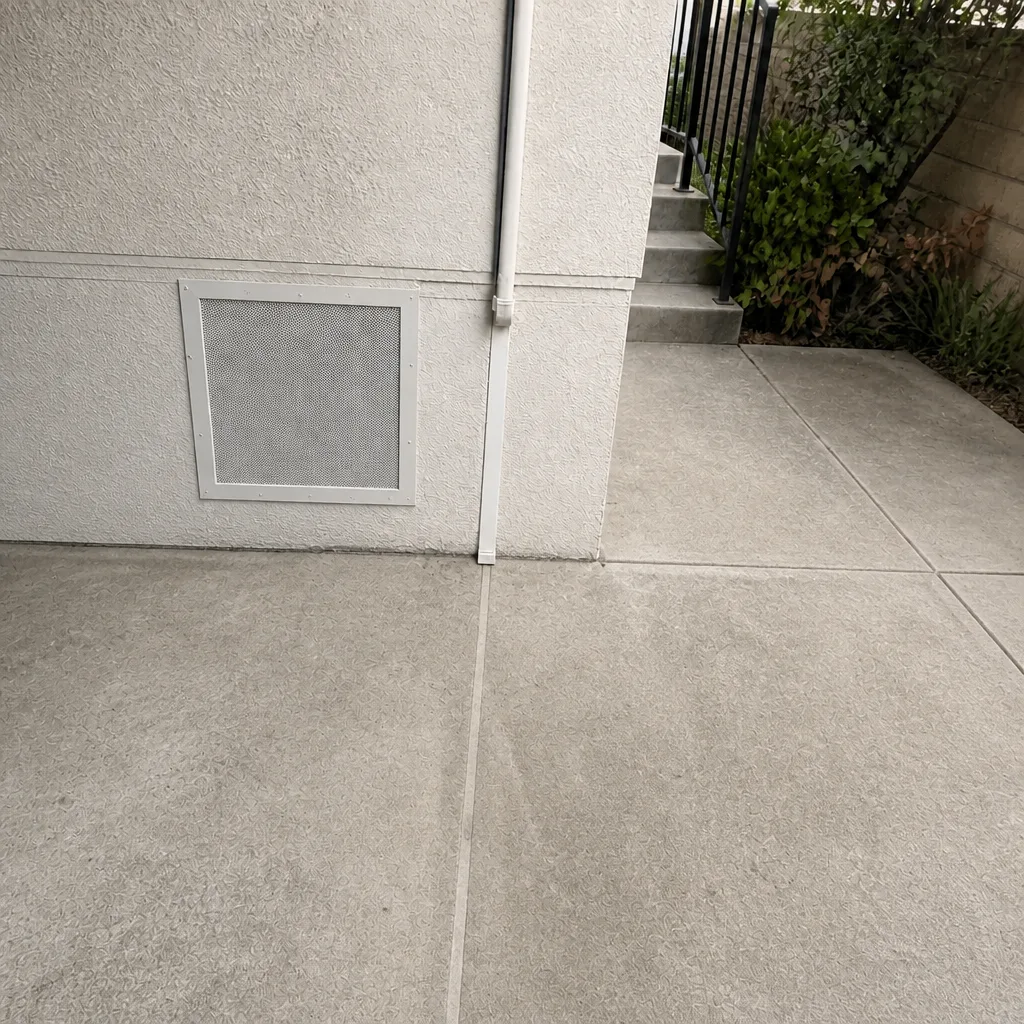
Whole-system duct and dryer vent check with before-and-after photos - you see exactly what came out of your vents
That "$99 whole-house special" is a bait ad - the real number appears once they are in your hallway, or the "clean" is a shop-vac at the register. We photograph the inside of your ducts before and after instead.
How to Hire an Air Duct Cleaning Contractor in Lakewood: A Step-by-Step Guide
Most homeowners in Lakewood assume the biggest risk in duct cleaning is paying for work that doesn’t get done. The actual risk is subtler: paying for a visual pass that leaves the real contamination in place, then waiting two years before symptoms or dust return and realizing the invoice bought nothing. The California Attorney General has taken action against duct cleaning companies operating across Southern California for fraudulent upsells and incomplete service. This guide gives you the framework to separate a contractor doing real work from one doing a show.
Quick Answer
Hiring an air duct cleaning contractor in Lakewood comes down to five verifiable things: confirm the company has a physical presence you can verify, ask them to explain NADCA ACR standards without prompting, structure your quote request around square footage and run counts so you’re comparing equal scopes, demand camera documentation of before and after, and require an itemized contract with written change-order authorization. A legitimate contractor answers all five without hesitation.
Styles & brands we work with
- Whole-home duct cleaning
- Dryer vent cleaning
- Camera inspection
- Sanitizing & deodorizing
Table of Contents
- Why Duct Cleaning in Lakewood Needs a Different Standard
- The NADCA ACR Standard and Why It Matters
- How to Structure Your Quote Request
- Licensing in California: What Actually Matters
- Three Contract Clauses That Protect You
- Verifying a Real Company vs. a Lead-Generation Front
- Equipment Questions That Expose Shortcuts
- Common Mistakes to Avoid
- When to Call a Professional
- Frequently Asked Questions
Why Duct Cleaning in Lakewood Needs a Different Standard
Lakewood homes carry a specific set of conditions that make duct cleaning more consequential than in many parts of the country. The city’s housing stock skews toward mid-century construction, with a significant share of homes built between the late 1940s and early 1970s. That means duct systems that have been in place for fifty or sixty years in many cases, often with original returns and supply runs that were never designed for modern filtration standards. Southern California’s dry climate does keep mold growth lower than humid regions, but it also means fine dust and particulate matter circulate more freely. The mild winters mean HVAC systems run for cooling much of the year, moving air through those ducts constantly.
Those conditions change what you should look for in a contractor. A home in Lakewood with original ductwork is not the same job as a newer build with sealed sheet-metal runs. Older systems often have gaps at the connections, years of accumulated fine dust that compacts in the low points, and sometimes disconnected sections that were never documented. A real cleaning should include an inspection of the system condition, not just a pass with a vacuum hose. We work on the system, not just the surface.
There’s also the reality of the local market. Southern California has a well-documented concentration of duct cleaning operations that advertise low flat rates, then convert those appointments into much larger invoices once the technician is on site. The California Attorney General’s actions against these companies are public record. Lakewood homeowners are in the same media market as those operations, which means the pressure to differentiate between a legitimate contractor and a bait-and-switch operation is higher here than in most of the country.
The NADCA ACR Standard and Why It Matters
NADCA, the National Air Duct Cleaners Association, publishes the industry’s primary technical standard: the Assessment, Cleaning, and Restoration of HVAC Systems, commonly called ACR. This is the document that defines what a proper duct cleaning actually involves. A legitimate contractor should be able to reference NADCA ACR standards unprompted, and specifically should describe their method in terms that match the standard’s requirements: source-removal cleaning, which means extracting contaminants from the system rather than pushing them through, and cleaning of all components in the system, not just the visible runs.
The test is simple. Ask the contractor, “What standard do you follow for duct cleaning?” A legitimate answer references NADCA ACR. If the contractor doesn’t know what NADCA is, that’s a signal. It doesn’t mean the company is automatically fraudulent, but it means the crew has not been trained on the industry’s technical foundation. If the answer is a vague “we do a thorough job” or “we’ve been doing this a long time,” that’s not a standard. That’s a personality description.
Here’s what NADCA ACR actually requires in practical terms, so you can compare what a contractor claims against what the standard says:
- The cleaning must use source-removal methods, meaning the contaminants are extracted from the system under negative pressure, not brushed loose and left to resettle.
- All system components get cleaned: supply and return ducts, registers, grilles, coils, drainage pan, blower motor and housing, and the air handling unit.
- The system must be inspected after cleaning to verify that visible debris has been removed.
- Access must be created at appropriate points in the ductwork so the cleaning tools actually reach the interior surfaces. That access gets properly sealed after the work.
In our experience, the single fastest way to tell if a contractor has done real work is whether they can describe what access points they’ll create and why. A contractor who says the entire system gets cleaned through the existing registers is describing a method that cannot physically reach most of the interior surfaces. The runs between registers are long, and the bends prevent a straight-line reach. Real cleaning requires cutting access into the duct at strategic points and sealing those access points after the work is done.
How to Structure Your Quote Request
The most common reason homeowners end up comparing unequal quotes is that each contractor prices a different scope of work. One quote covers supply ducts only. Another includes returns, but only if approached from the registers. A third includes the air handler and blower. When the invoices come in, the prices look different because the work is different. The fix is to structure your quote request so every contractor is bidding on the same defined scope.
Here’s the information to gather before you call, so you can give each contractor the same description of the job:
- Square footage of the home. This is the gross living area, not counting the garage unless the garage has HVAC supply.
- Number of supply runs. This means the number of individual branch ducts that deliver air into rooms. Count the actual supply registers in the ceilings, walls, or floors. A typical 1,500-square-foot Lakewood home has between 8 and 14 supply runs.
- Number of return runs. These are the larger ducts that pull air back to the air handler. Most homes have one to three return runs, often located in central hallways or near the main living areas.
- Number of system access points. These are the places where a technician can physically reach the ducts and air handler. Typically that’s the air handler closet or garage-mounted unit, plus any attic or crawlspace access. A home on a raised foundation has a crawlspace; a slab foundation does not.
- Whether the system includes a second unit. Many larger Lakewood homes, particularly those over 2,500 square feet, have two separate HVAC systems with separate air handlers. Each system is a separate cleaning resource, and the quote should reflect both.
Once you have this list, write it down and give the same version to every contractor you call. Say it plainly: “Fourteen hundred square feet, eleven supply runs, two returns, one air handler in the garage, access through the attic.” That sentence tells a legitimate contractor almost everything they need to price the job. A contractor who doesn’t ask you these questions before quoting is either guessing or planning to change the scope after arrival.
For air duct cleaning done right, the equipment matters as much as the scope. Professional-grade Rotobrush and Nikro systems are the same tools used on commercial and remediation projects. Not a shop vac attached to a hose, not an entry-level truck mount. The distinction shows up in the result.
Licensing in California: What Actually Matters
The question “are you licensed” is not enough in California. The state’s contractor licensing system covers many construction trades under the California Contractors State License Board, but air duct cleaning sits in a gray area. Some duct cleaning operations hold a C-61/D-40 limited specialty license for service and repair of HVAC systems, which allows them to perform the work as a contractor. Others operate under a general business license only, which is not the same thing. Still others operate as subcontractors under a larger HVAC license. None of these are automatically bad, but you need to know which one you’re dealing with and what it means.
The license type that actually matters for duct cleaning work is the C-20 license, which covers warm-air heating, ventilating, and air conditioning contracting. A C-20 holder can work on the HVAC system itself, including the air handler, ducting, and related components. If a duct cleaning reveals damage that needs repair, a C-20 license is what authorizes that repair work. A company that only holds a general business license can clean, but cannot legally repair the duct system. That’s the distinction: cleaning is one thing, repair is another, and the license determines which the company can actually do.
Here’s how to check, and what to ask:
- Ask for the contractor license number and verify it through the California Contractors State License Board’s online look-up. This is a public database and checking takes two minutes.
- Ask specifically, “What license class do you hold?” Listen for C-20 or C-61/D-40. If the answer is “we don’t need a license for cleaning,” that’s a signal the company is operating at the edge of the regulatory framework.
- Ask who performs the work: employees of the licensed company, or subcontractors? A license held by one entity doesn’t cover a different entity doing the actual labor.
This nuance matters for a practical reason. When we clean an older Lakewood home’s ductwork, we sometimes find sections that are disconnected, crushed, or gaping at the seams. If we couldn’t repair those sections, the cleaning would be undermined: air would bypass the newly cleaned ducts and pull from the crawlspace or attic instead. Our capability to perform Fortress Air Duct Cleaning work that includes repair means the problem found gets fixed by the same crew, not referred out to a second contractor who requires another appointment and another invoice. Clean it. Repair it. Protect it.
Three Contract Clauses That Protect You
The most effective consumer protection in duct cleaning is a contract that documents the work before it starts. Most disputes about duct cleaning come down to a mismatch between what was promised and what was delivered. A well-written contract eliminates most of that mismatch. Here are the three clauses to insist on:
- Itemized scope of work. The contract must list exactly what gets cleaned: supply ducts, return ducts, air handler, blower, coils, registers, and grilles. If any component is excluded, that exclusion must be written out. Vague language like “full system cleaning” is not enough. If the air handler isn’t listed, it’s not included, and you won’t know that until after the work is done.
- Camera documentation requirement. The contract should state that the contractor will provide before-and-after photos or video of the interior of the duct system at the access points. This is the only way for you to verify that the cleaning actually happened. A contractor who refuses to document the work in the contract is telling you something about how the work will be performed. This clause should specify that the documentation is provided to the homeowner at completion, not shown briefly on a technician’s phone.
- Written change-order authorization. This clause states that any additional work or cost discovered during cleaning must be documented in a written change order that you sign before the work proceeds. No verbal approvals. No “the tech found something” surprises. If a contractor finds a disconnected duct that needs repair, that’s a legitimately different job, but it must be authorized in writing at a price you agree to before the extra work begins.
A contract that contains these three clauses is a contract written by a company that expects to stand behind its work. A contract that doesn’t include them is a contract written by a company that benefits from ambiguity.
Verifying a Real Company vs. a Lead-Generation Front
Southern California has a lead-generation problem in duct cleaning. The model works like this: a marketing company buys online ads under local-sounding names, books appointments, and sells those appointments to independent technicians who may or may not be licensed, insured, or accountable to anyone. The homeowner calls a number thinking they’re hiring a local company. They’re actually hiring a dispatcher. There’s no office, no local warehouse, and no one accountable when the work is incomplete.
Here’s how to tell the difference in Lakewood before you schedule:
- Ask for the company’s physical address. A legitimate contractor has a place where the equipment lives. Ask if you can come by. If the answer is evasive or the address traces to a UPS store or a P.O. box, that’s a front.
- Ask who employs the technician. Is the person coming to your home a W-2 employee of the company you’re hiring, or an independent operator? The answer should be direct.
- Ask about the equipment by brand. A real company can tell you what equipment the crew will bring to your house. If the answer is “professional equipment” without a brand name, they don’t know what their own technicians use, which means they don’t manage their own technicians.
- Check whether the company performs repair work. A company that only cleans and cannot repair is more likely to be a referral front, because they have no skin in the quality of the underlying system.
- Look at the company website for substance. Does it explain the actual process, or is it a collection of stock photos and a phone number? A real local contractor’s site should describe how the work is done in enough detail that a competitor could recognize the methods.
We have served the Lakewood area from a real operating base since 2017. That’s nine years of answering the same questions from homeowners who called a lead-generation front first and learned the difference the hard way. The pattern is consistent: a low bid, a tech who arrives with equipment that doesn’t match the promise, and a call to a different number when the work disappoints.
Equipment Questions That Expose Shortcuts
The clearest signal of a contractor doing real work is the equipment they bring. Duct cleaning is a mechanical process: the interior surfaces of the ductwork have to be physically agitated while the system is under negative pressure so that the loosened material is extracted out of the house. If either step is missing, the job is incomplete. The equipment questions to ask:
- What agitation method do you use? Real cleaning uses mechanical agitation: rotating brushes, compressed air tools, or a combination. A contractor who describes the process as “we vacuum the registers” is describing a method that cannot clean the interior duct surfaces.
- What creates the negative pressure? A dedicated negative air machine or a truck-mounted vacuum system is standard for professional work. A contractor who says the vacuum is “in the truck” without describing the system is likely using a small portable unit that can’t move enough air to extract material from a full duct run.
- Where does the extracted material go? It should be pulled through the vacuum system and trapped in a HEPA filter or containment unit. It should not be blown outside without filtration, and it should not be recirculated into the house.
- How do you reach the full run? The answer should involve creating access points. If the contractor says the entire run is reachable from the register opening, that’s physically impossible for any duct run longer than a few feet.
Fortress operates Rotobrush and Nikro equipment. These are contractor-grade systems used on commercial and remediation-level projects. We also work with Abatement Technologies air filtration systems, which reflects the remediation-grade approach we take to dryer vent cleaning as well: preventing the problem, not just responding to it. Your air system is only as clean as the ducts it moves through.
Beyond cleaning, there’s the question of what the system does after the cleaning is done. Many Lakewood homeowners have Honeywell or Aprilaire filtration components mounted at the air handler. A contractor who knows those systems can verify that the filter element is compatible with the airflow of the home and that the cleaning didn’t disrupt the filtration path. A contractor who ignores the filtration system is leaving the second half of the air quality equation untouched. From the vent to the filter, one team handles it.
Common Mistakes to Avoid
- Choosing the lowest bid without checking scope. A low bid that does not itemize the scope of work is the entry point for change orders that bring the final invoice above the higher bids you rejected. The low bid is a placeholder, not a price.
- Skipping the license check. Checking a California contractor license takes two minutes on the CSLB website. Not checking it takes away the only public record you have of who you’re actually hiring.
- Accepting “the camera is broken” as an answer. Every professional duct cleaning contractor has some form of camera documentation, because it’s the only way to stand behind the work. A broken camera is not a technical accident; it’s a choice.
- Not asking about access points. A contractor who plans to clean an entire duct system through the existing registers is describing a method that leaves the majority of the interior surfaces untouched. Ask how access will be created and sealed.
- Assuming a local-sounding name means a local company. The Southern California lead-generation industry runs on local-sounding names. Verify the physical address, the license, and the employment structure before the appointment.
- Treating duct cleaning and dryer vent cleaning as the same job. They are different services with different tools, different standards, and different risks. Dryer vent cleaning is fire prevention; air duct cleaning is air quality. A company can do both, but the quote should separate them.
- Not documenting the before state yourself. Take your own photos of the registers and any accessible duct interior before the contractor arrives. There’s no better reference for comparing the after state.
When to Call a Professional
The right time to call a duct cleaning contractor in Lakewood is not when the air smells. It’s before that point. You should call when you’ve lived in the home for two years or more without a cleaning, when the previous homeowner’s maintenance history is unknown, when you’ve completed renovation work that produced drywall dust or sawdust, when the registers show visible dust accumulation or discoloration around the edges, or when someone in the home has persistent allergy symptoms that improve away from the house. You should also call when you’ve bought an older Lakewood home and have no record of the ductwork ever being cleaned. Homes from the 1950s and 1960s that never had a duct cleaning carry decades of accumulated material in the low points of the runs. That’s not a scare tactic; it’s a physical fact of how air moves through ductwork.
Fortress Air Duct Cleaning offers free estimates in Lakewood. Call (833) 593-4030. We answer 24/7. Fast dispatch from 7am to 7pm, Sunday through Friday.
Frequently Asked Questions
A legitimate contractor can give you a verifiable physical address, a California contractor license number, a clear description of the NADCA ACR standard they follow, and a written contract with itemized scope. Start with those four checks and you’ll eliminate most of the lead-generation operations working the Lakewood market.
Pricing varies by the size of the home, the number of runs, and the system type, so any price given without that information is a guess. The written estimate is the price. What matters more than comparing numbers is comparing scope: get itemized quotes that list the components each contractor will clean, then compare line by line. Free estimates mean you can get that comparison without paying for it.
A lower quote usually means a smaller scope. The cheap quote omits the air handler, or the returns, or doesn’t create access points, or is a lead-generation price designed to get a technician into your home so the real price can be presented on site. When you ask for itemized scopes, the price difference usually resolves into a scope difference.
You require before-and-after camera documentation in the contract, and you take your own before photos as well. The interior surfaces of the ducts should look visibly different at the access points. If the contractor won’t commit to camera documentation in writing, choose a different contractor.
Cleaning removes accumulated material from the interior surfaces of the system. Repair fixes structural problems: disconnected sections, gaping joints, crushed runs, and damaged plenums. Many duct cleaners cannot perform repair work. A company that can do both will address what the cleaning reveals on the same visit, rather than referring you to a second contractor.
For most Lakewood homes, a professional cleaning every three to five years is reasonable, with more frequent cleaning if you have pets that shed heavily, residents with significant allergies, or you just completed renovation work. Homes that have never been cleaned should schedule one cleaning now, then reassess based on how quickly material accumulates.
The Bottom Line
Hiring an air duct cleaning contractor in Lakewood is not about finding the cheapest bid or the biggest truck. It’s about verifying that the company is real, the scope is itemized, the equipment is professional-grade, and the documentation is contractual. The specific checks are: NADCA ACR language without prompting, a California contractor license that covers the work, a physical address that traces to a real location, equipment brands you can verify, three contract clauses that protect you, and before-and-after camera documentation. If you apply those checks to every contractor you call, the difference between a real cleaning and a visual pass becomes obvious before anyone arrives with a hose. Call (833) 593-4030 for a free estimate. We answer 24/7. Fast dispatch from 7am to 7pm, Sunday through Friday.
Written by the team at Fortress Air Duct Cleaning, serving Lakewood since 2017.
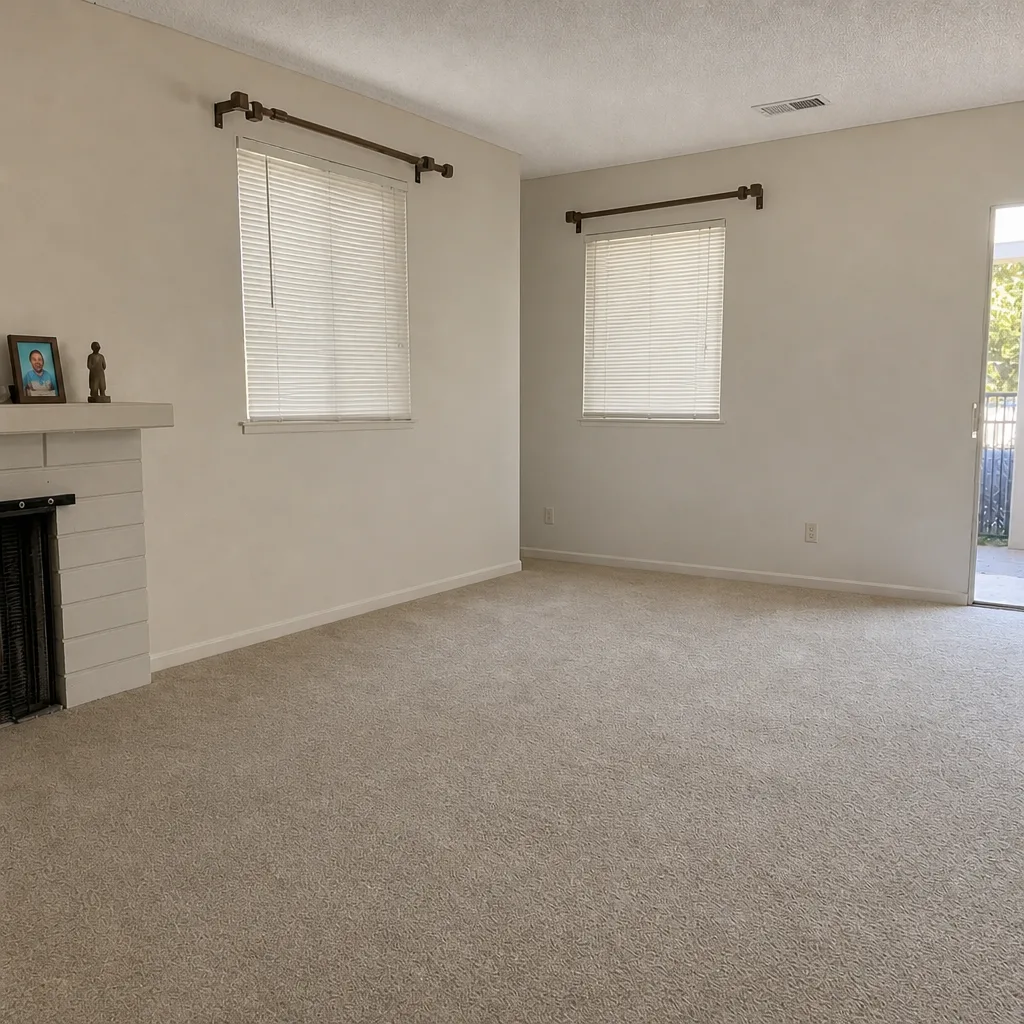
See the difference
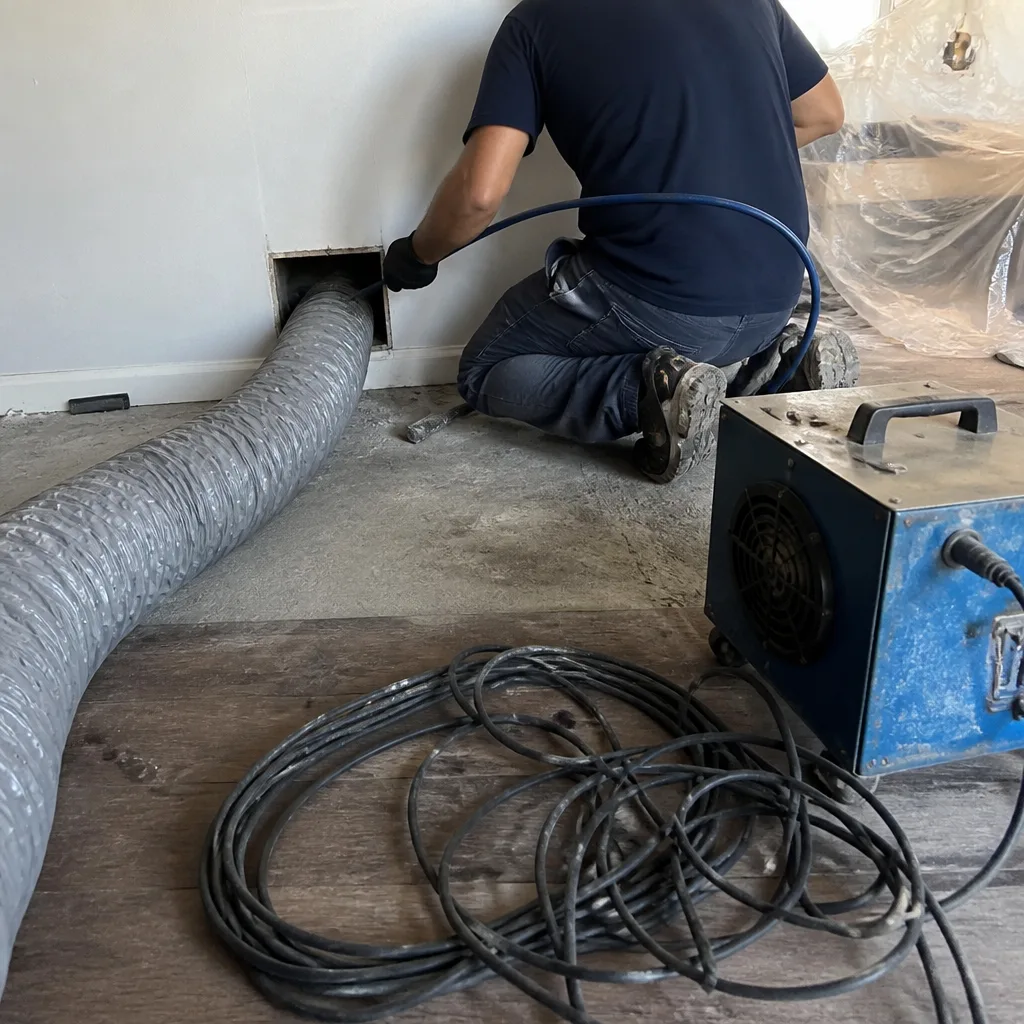 Before
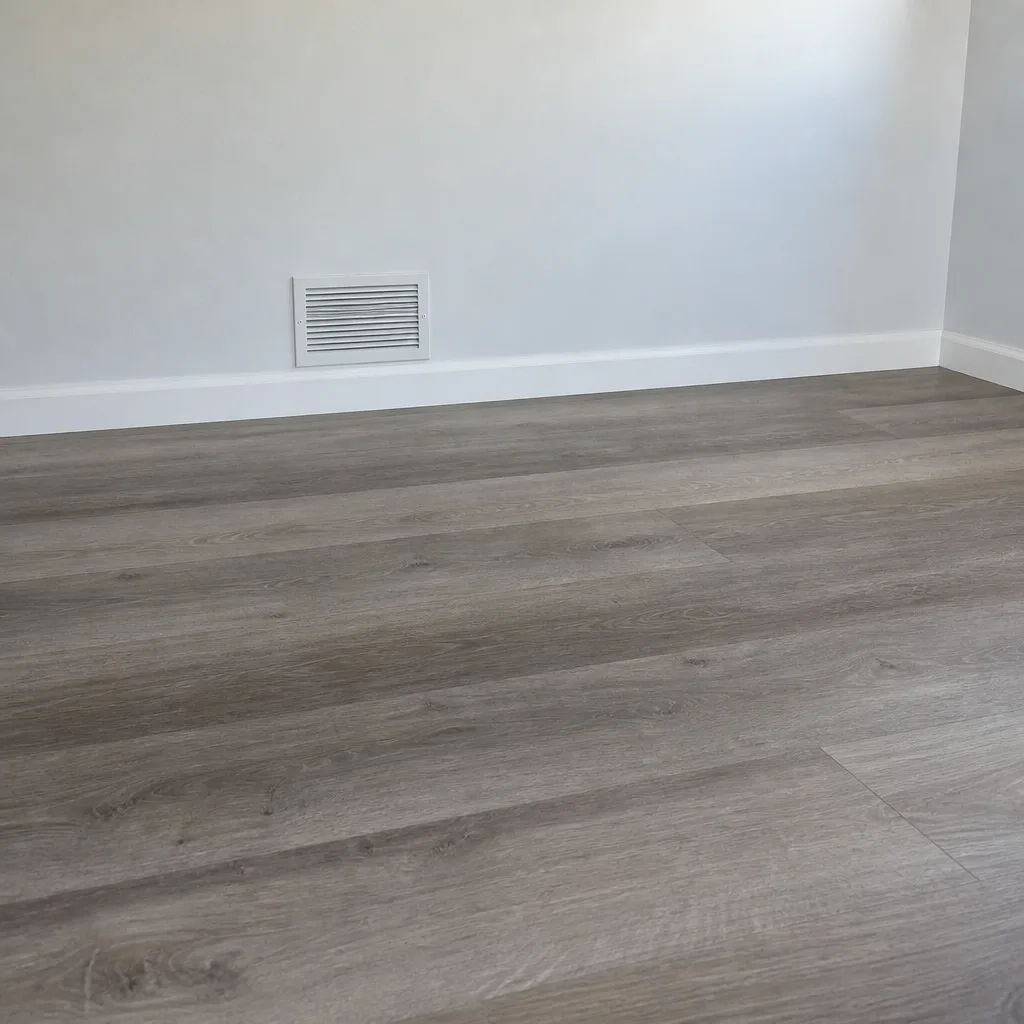 After
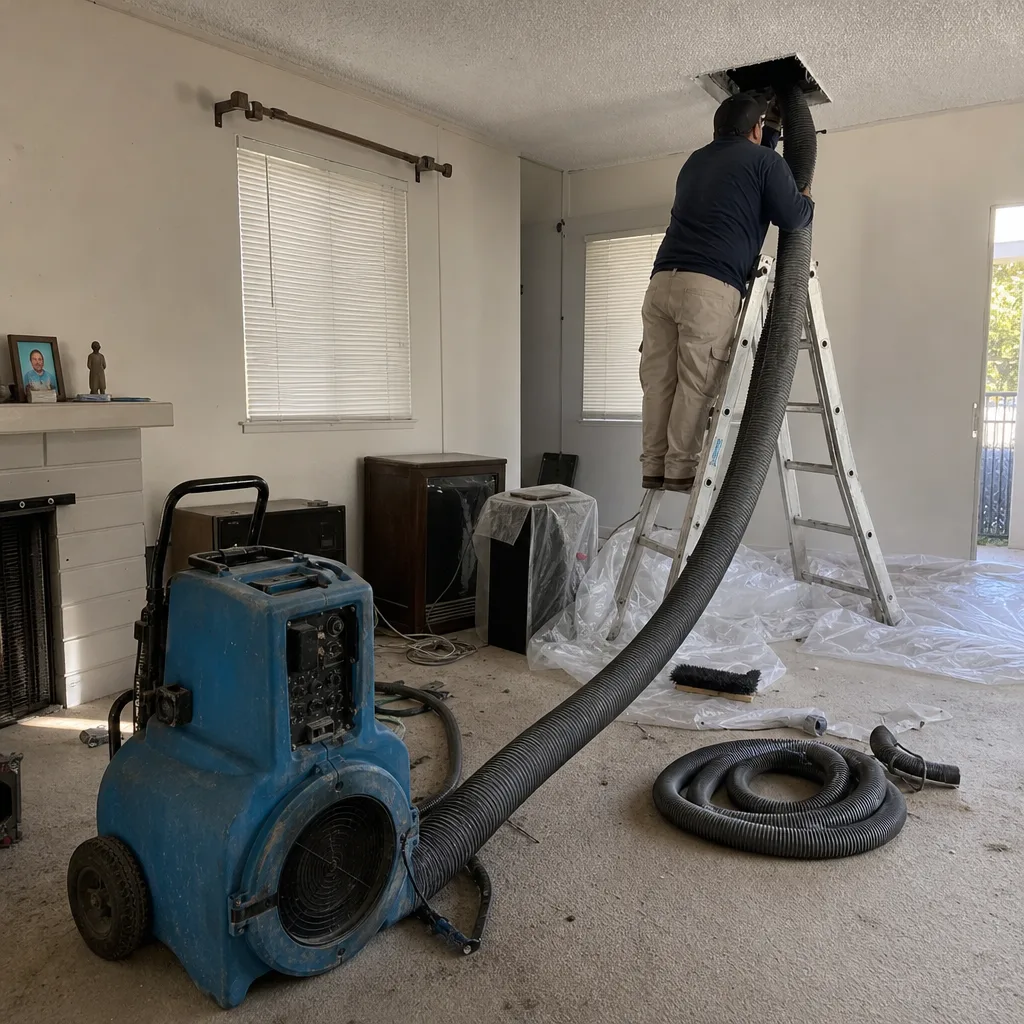 Before
 After
 Before
 After