
Last updated November 4, 2026
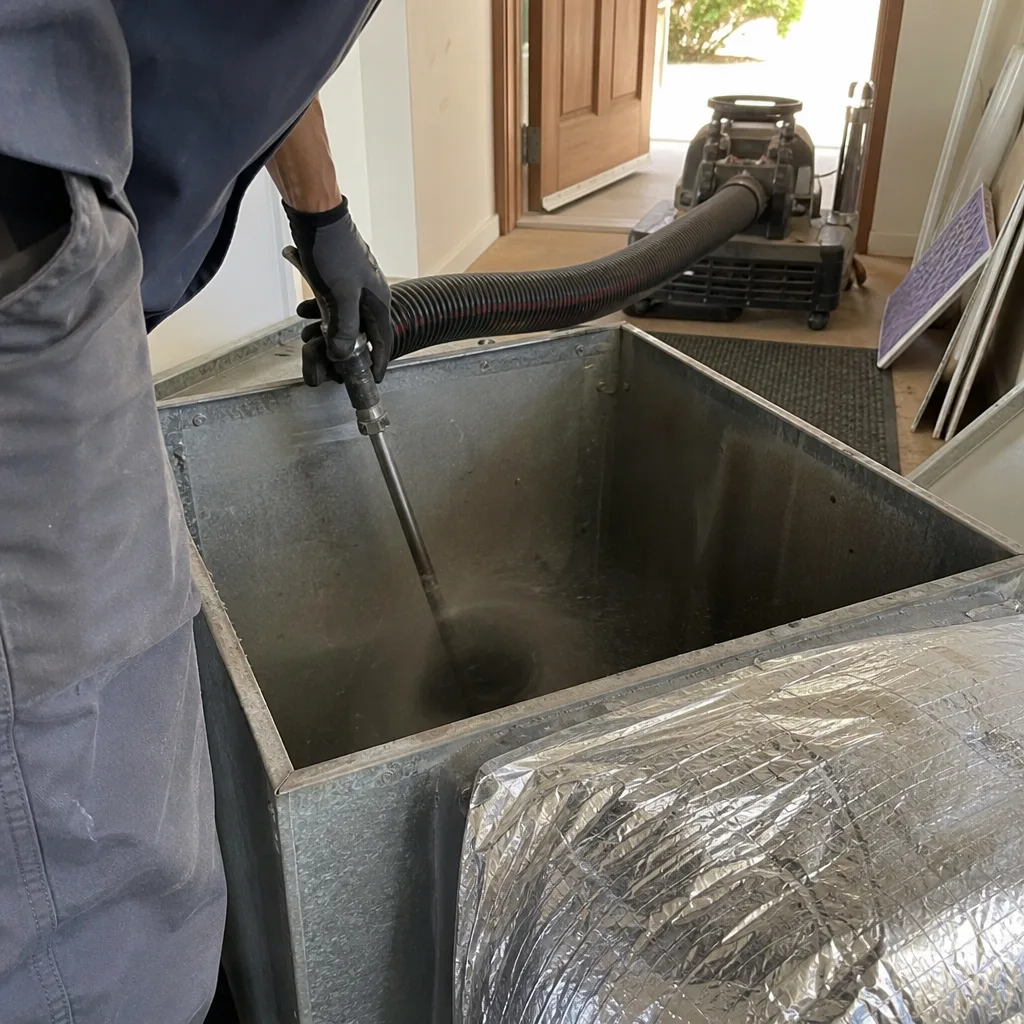
 Whole-home duct cleaning
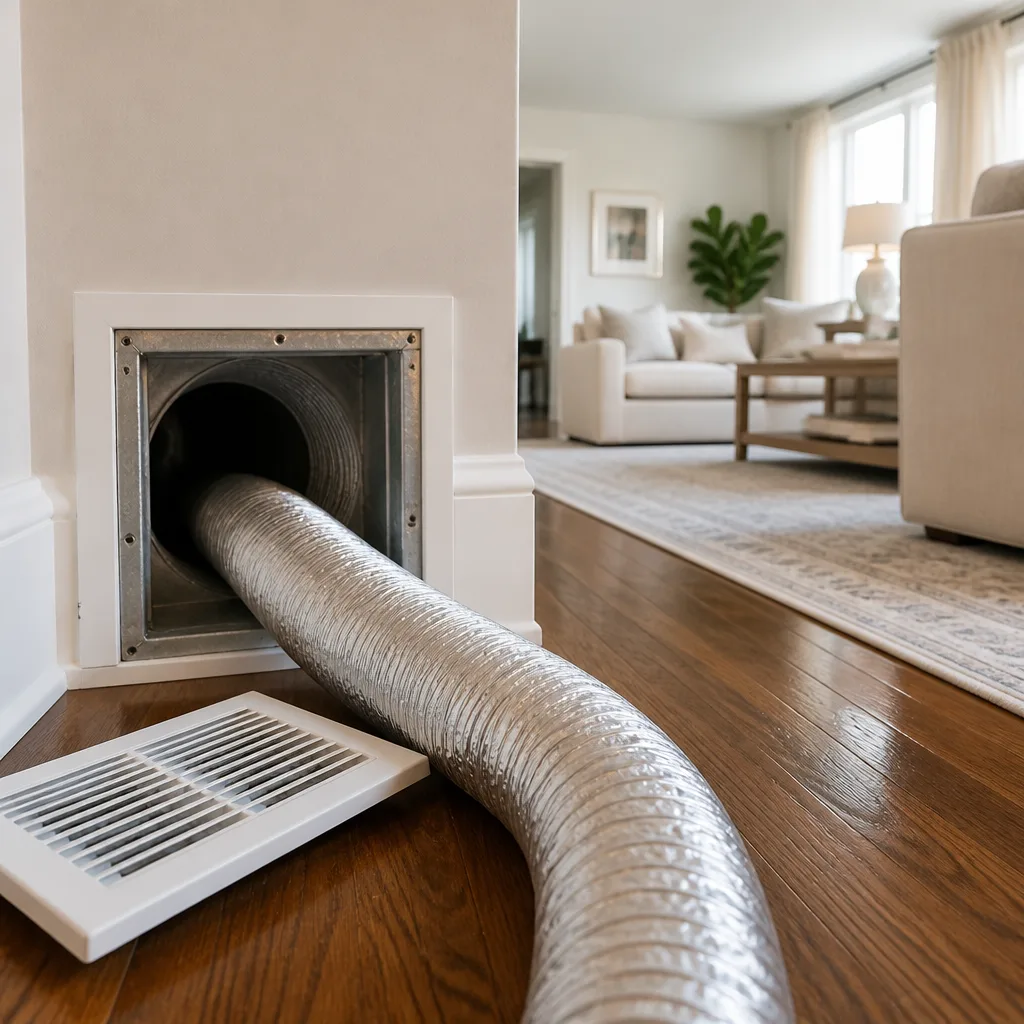
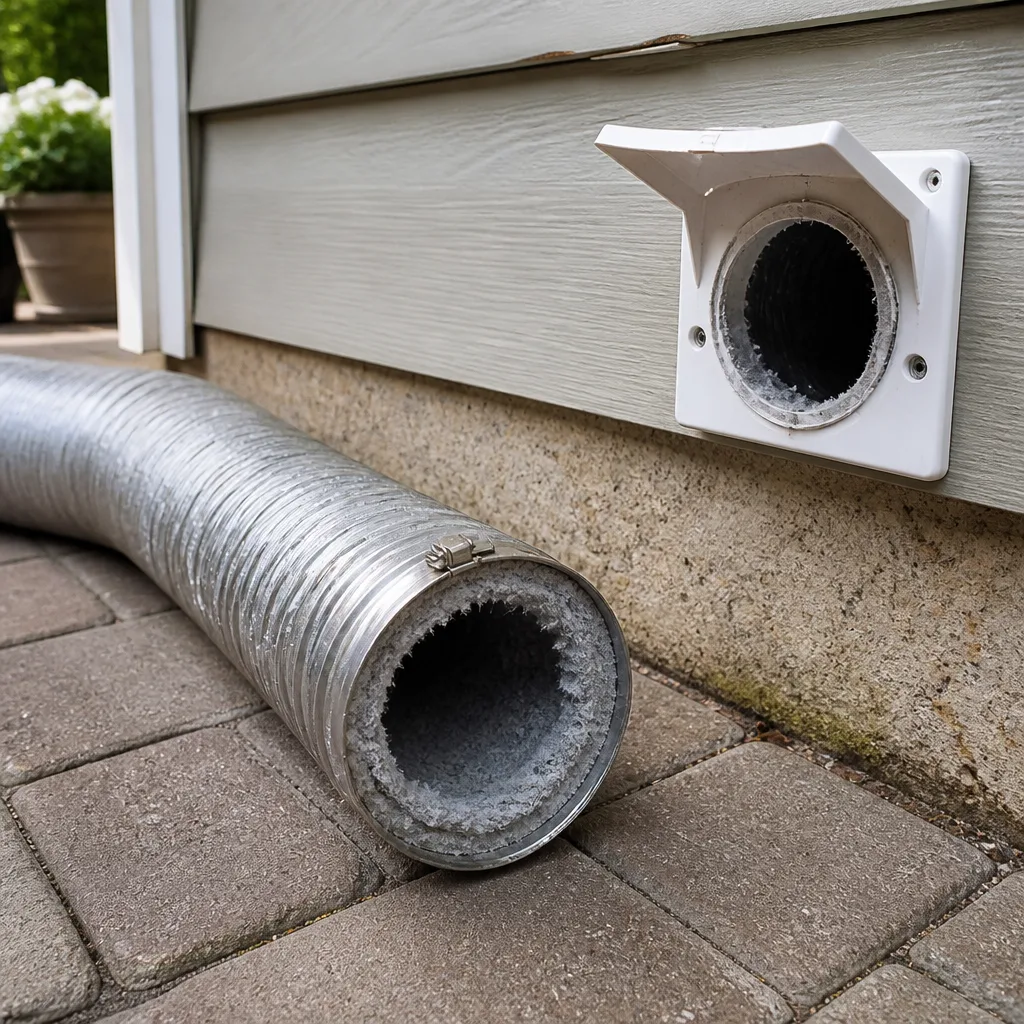 Dryer vent cleaning
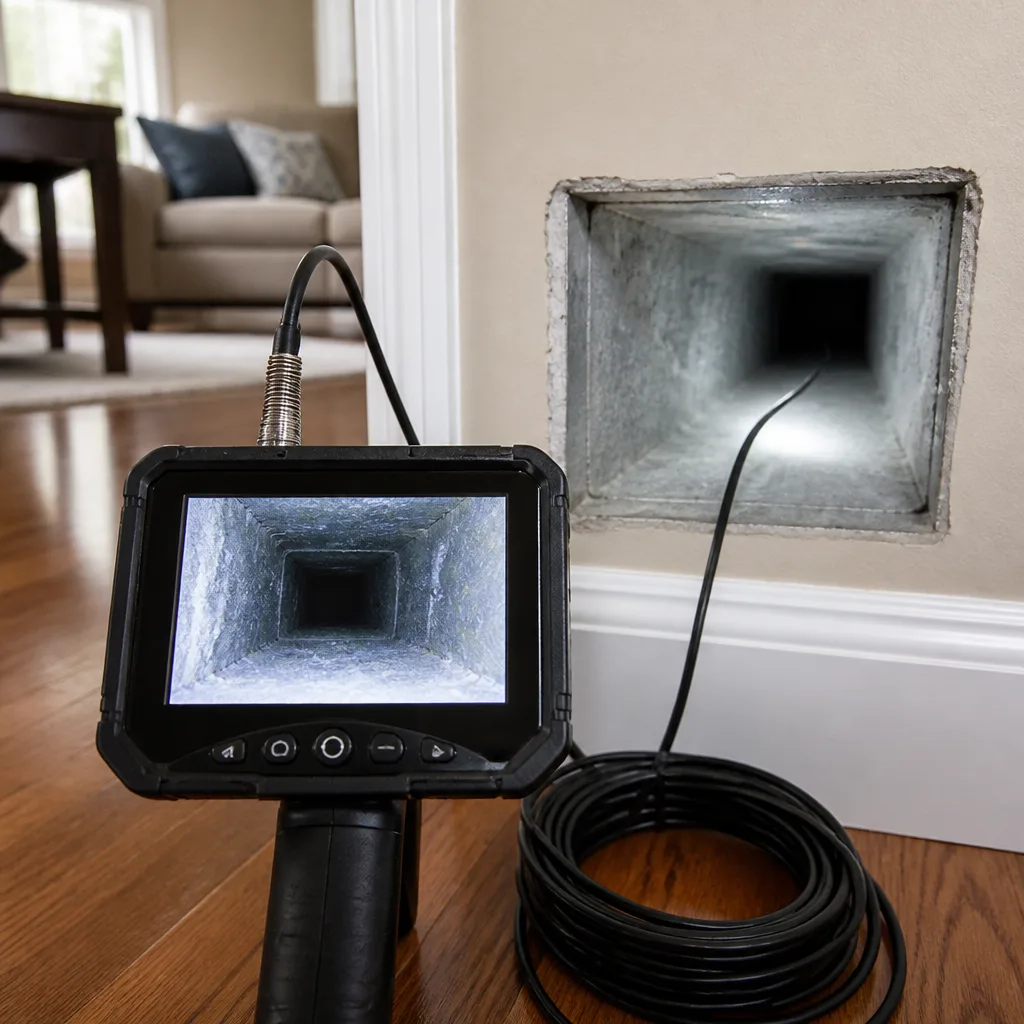 Camera inspection
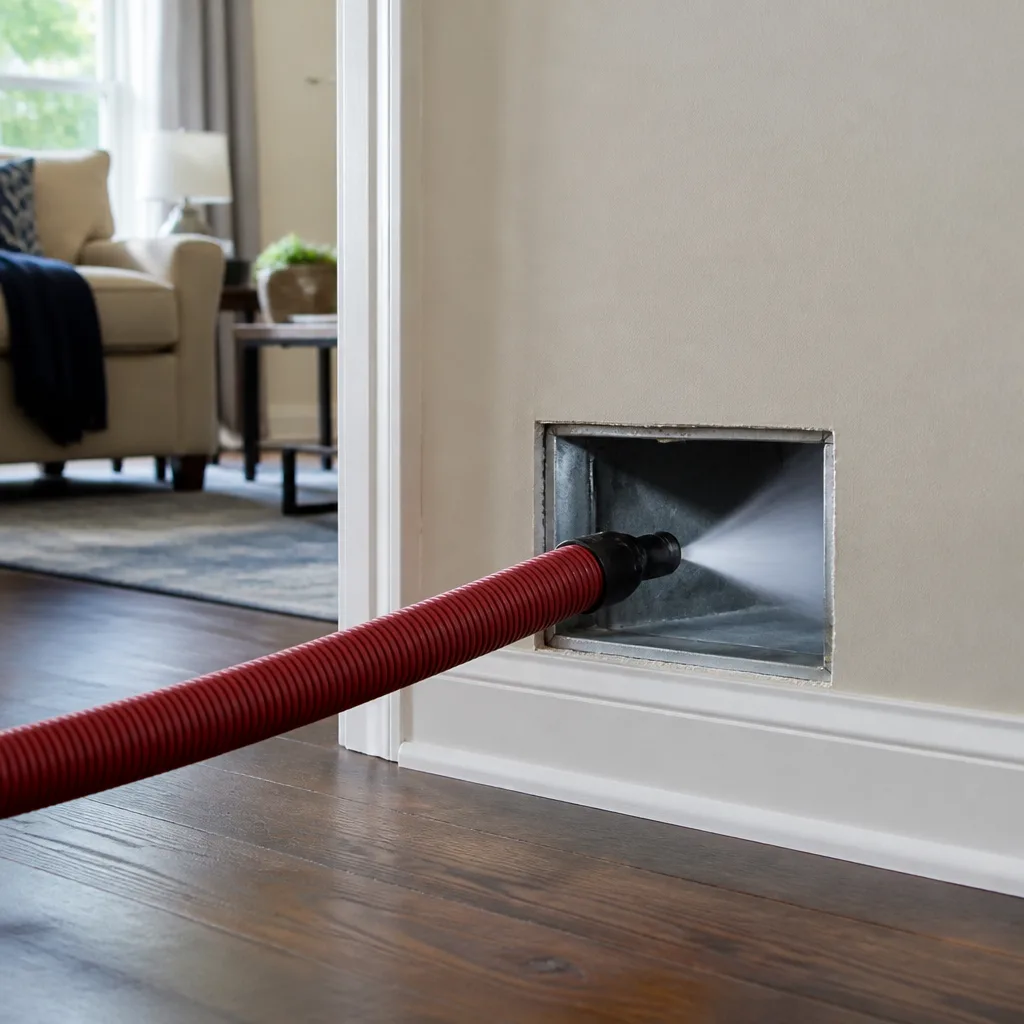 Sanitizing & deodorizing
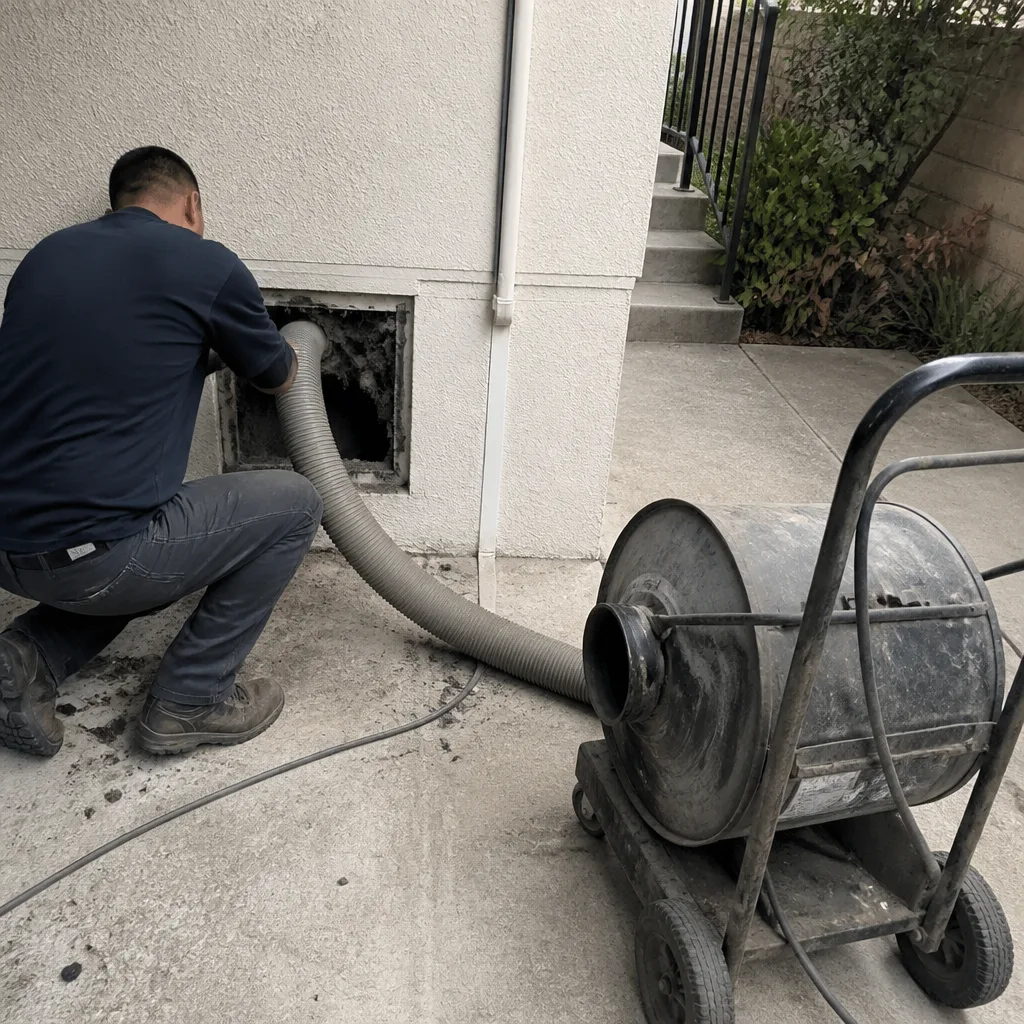
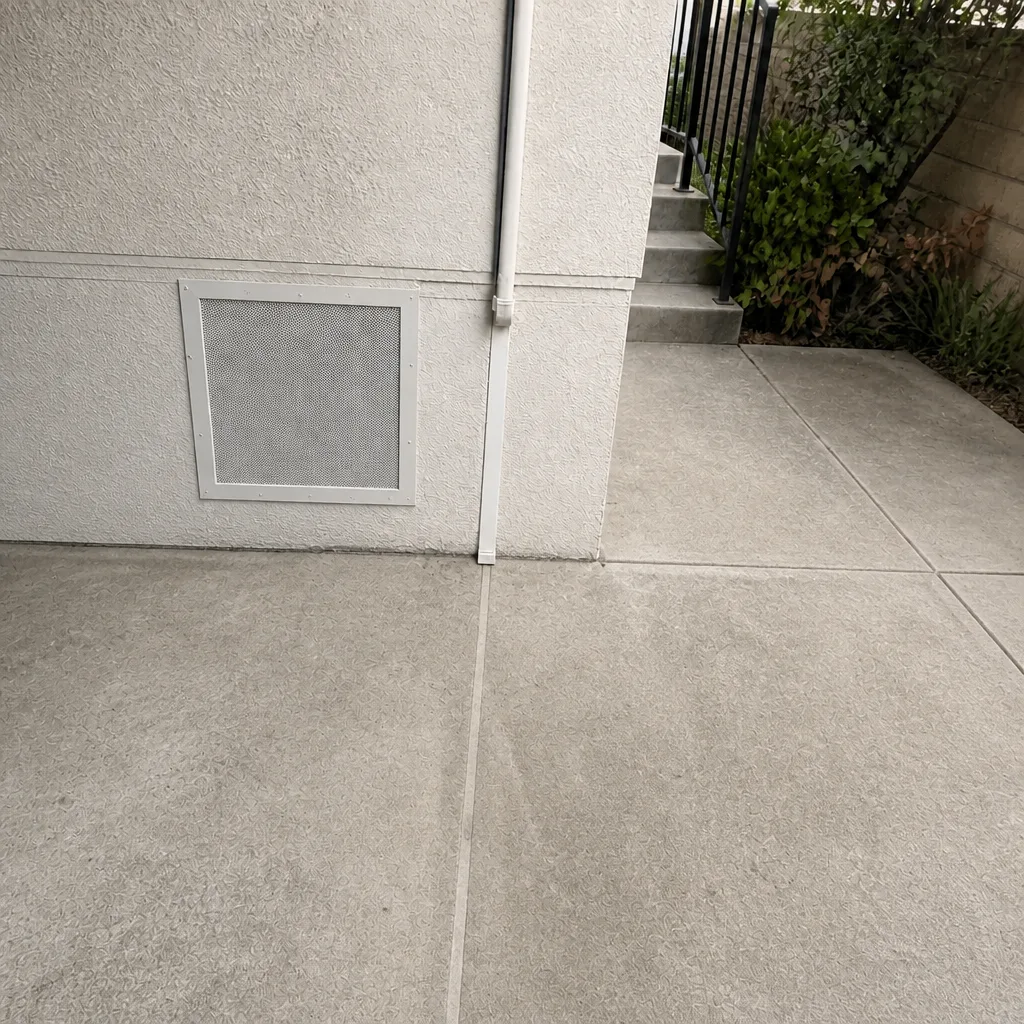
Whole-system duct and dryer vent check with before-and-after photos - you see exactly what came out of your vents
That "$99 whole-house special" is a bait ad - the real number appears once they are in your hallway, or the "clean" is a shop-vac at the register. We photograph the inside of your ducts before and after instead.
DIY vs Professional Air Duct Cleaning: The Lakewood Homeowner’s Decision Guide
Most Lakewood homeowners approach duct cleaning with a question that sounds reasonable but leads them down the wrong path: “Should I do this myself or hire someone?” The real question is different. It’s not about effort or cost. It’s about scope. A homeowner with a vacuum, a brush, and 90 minutes can meaningfully improve their register and grille cleanliness, but they cannot access the duct trunk lines, the air handler cabinet, or the return plenum where the highest concentration of accumulated debris actually lives. That’s not a capability gap. It’s a scope gap. This guide walks you through exactly where that line sits, what each approach can and cannot accomplish, and how to build a maintenance plan that doesn’t waste your money or your weekends.
Quick Answer
DIY duct maintenance is legitimate and valuable for surface-level cleaning: registers, grilles, visible duct openings, and filter changes. It does not replace professional air duct cleaning, which uses negative-pressure equipment to remove debris from the trunk lines, return plenum, and air handler cabinet that no consumer vacuum can reach. The smart approach is a split: own the accessible maintenance between visits, and bring in professional-grade equipment for the deep cleaning every few years or when specific conditions warrant it.
Styles & brands we work with
- Whole-home duct cleaning
- Dryer vent cleaning
- Camera inspection
- Sanitizing & deodorizing
Table of Contents
- The Scope Gap: What DIY Can and Cannot Reach
- Where DIY Maintenance Genuinely Works
- Equipment Reality: Consumer Vacuums vs. Professional Negative Pressure
- When DIY Can Make Things Worse
- Building a Rational Maintenance Split
- Lakewood-Specific Factors That Affect Your Ducts
- The Real Cost Comparison
- Common Mistakes to Avoid
- When to Call a Professional
- Frequently Asked Questions
The Scope Gap: What DIY Can and Cannot Reach
Your home’s air distribution system is not one continuous pipe. It’s an assembly of distinct components, each with different access requirements and different debris accumulation patterns. Understanding this anatomy is the foundation of every good maintenance decision.
The parts you can reach from inside your living space are the registers, the grilles, and the first few inches of visible duct opening behind them. You can unscrew a register, vacuum the visible interior, wipe the grille, and replace it. That’s real work and it matters, but it addresses roughly 5% of the total interior surface area of your duct system.
The parts you cannot reach without specialized access and equipment include:
- The trunk lines: the main supply and return ducts running through walls, ceilings, and crawl spaces. These are typically 8 to 16 inches in diameter and run the length of your home. Debris settles along their entire length.
- The air handler cabinet: the metal box housing your blower motor and, in many systems, the evaporator coil. This is where air turbulence drops, allowing fine particles to settle on coils and blower fins.
- The return plenum: the large collection box where multiple return ducts converge before entering the air handler. This is the single highest-debris location in most residential systems.
- Flex duct interiors: the corrugated plastic and wire spiral ducting used in many Lakewood homes built since the 1980s. The ridges trap dust, and the material is easily damaged by improper cleaning.
In our experience working on systems across Lakewood homes, the return plenum consistently holds more accumulated material than every register combined. A homeowner who diligently cleans their grilles may still be circulating air through a plenum holding years of fine dust, pet dander, and construction debris from the last renovation.
Where DIY Maintenance Genuinely Works
This is not an argument against doing anything yourself. There are legitimate, valuable DIY tasks that extend the life of your system and reduce the frequency of professional cleanings. Here’s what belongs on your list:
- Monthly filter inspection and replacement. If you use standard 1-inch filters, check them monthly and replace when visibly loaded. If you run Honeywell or Aprilaire media filters, follow the manufacturer’s replacement interval. This is the single highest-impact maintenance task you can do.
- Register and grille cleaning. Remove each register, wash it with warm soapy water, dry it fully, and vacuum the visible duct opening with a standard household vacuum using a crevice tool. Do this every 3 to 6 months depending on pet load and occupancy.
- Return grille cleaning. The large grille where air enters your system collects a visible layer of dust. Vacuuming it monthly and wiping it down seasonally keeps that material from entering the return plenum as quickly.
- Visual inspection. Walk your home and look at every register. Check for visible dust buildup, mold-like spotting, or pest evidence. Shine a flashlight into accessible duct openings and note what you see. Document it. This baseline helps you judge whether conditions are stable or deteriorating.
- Dehumidifier drain line clearing. In Lakewood’s climate, where summer humidity combines with air conditioning use, a slow-draining condensate line can hold standing water in the drain pan. Clearing accessible drain lines with a wet-dry vacuum keeps moisture out of the equation.
None of these tasks require special equipment. None of them risk damaging your system. All of them reduce the rate at which debris accumulates in the areas you cannot reach. That’s the honest value of DIY maintenance: it buys time between professional cleanings, not a replacement for them.
Equipment Reality: Consumer Vacuums vs. Professional Negative Pressure
The most common DIY duct cleaning approach uses a household vacuum, often a shop vac, connected to a long hose and brush attachment inserted through a register opening. Here’s what that equipment does and does not accomplish, based on what we know about air movement and duct physics.
A consumer shop vac typically moves between 90 and 150 cubic feet per minute (CFM) of air at the hose end. That’s enough to pull loose dust from the first foot or two of visible duct behind a register. It’s not enough to overcome the static pressure loss that occurs as air moves through a long hose and around bends in trunk lines. By the time that air column reaches 10 feet into a duct run, it’s moving too slowly to lift settled debris off the duct floor.
Professional equipment works differently. We run Rotobrush and Nikro systems, which pair high-CFM negative pressure at the air handler with mechanical agitation through rotating brush heads fed through the duct system. The negative pressure creates a controlled vacuum environment inside the duct, while the brush head physically dislodges adhered debris. The dislodged material is pulled back through the hose to a HEPA-filtered collection system, not redistributed into your living space.
The distinction matters because duct debris is not uniformly loose dust. It includes:
- Adhered films: fine dust bonded to duct walls by static charge and, in humid conditions, moisture. Brushing is required to break this bond.
- Compact debris caps: accumulated material packed into corners, transitions, and boot connections. These require physical disruption.
- Fine particulates: particles under 10 microns that pass through consumer vacuum filters and get exhausted back into the room. HEPA filtration captures these.
A consumer vacuum with a brush attachment moves what’s loose. Professional negative pressure systems remove what’s loose plus what’s adhered plus what’s waiting to break free. That’s the physical difference, and it’s not a matter of effort or technique.
When DIY Can Make Things Worse
This section matters because the worst outcome of DIY duct cleaning isn’t that it fails to clean. It’s that it creates a problem that didn’t exist before. We’ve seen the results of well-intentioned DIY work in Lakewood homes, and certain conditions make intervention riskier than leaving things alone.
Deteriorating Flex Duct
Many Lakewood homes use flexible duct for branch runs off the trunk lines. Flex duct is a wire spiral covered in plastic sheeting with insulation wrapped around it. Over time, the plastic inner liner becomes brittle, especially in unconditioned attic spaces where summer temperatures in Lakewood climb well past 100 degrees. Inserting a brush or aggressive vacuum hose into aged flex duct can tear the liner or collapse the wire spiral. A torn flex duct doesn’t just leak conditioned air into the attic, it actively pulls attic dust and insulation particles into your air stream. What started as a cleaning attempt becomes a contamination source.
Loosened Boot Connections
The boot is the metal or plastic transition piece connecting a duct branch to the register opening in your floor or ceiling. These connections are held with screws or friction fit, and they loosen over time. When you remove a register and aggressively insert cleaning tools, you can knock a boot loose from the duct behind it. You won’t see the separation from inside the room. You’ll just notice that the register area feels drafty and that dust appears around the opening faster than before. A disconnected boot means your conditioned air is now blowing into the wall cavity or floor void instead of your living space.
Dislodged Debris Caps
Debris caps form when years of accumulated dust, hair, and fiber settle at the bottom of vertical duct runs or in boot cavities. This material compacts over time and effectively seals the duct at that point. A DIY cleaning that dislodges a debris cap without sufficient negative pressure to capture the material releases it into the air stream. Now everything that was sitting in that duct is moving through your system and into your home. Professional cleaning handles this by establishing negative pressure before any mechanical agitation begins, so whatever breaks free is pulled toward the collection system rather than pushed toward your living space.
Mold-Like Suspect Material
If you shine a flashlight into a duct and see dark, patchy, or fuzzy material on the duct walls or insulation, stop. Do not brush it, vacuum it, or disturb it in any way. Disturbing microbial growth without proper containment and filtration can release spores throughout your home. This is a condition that requires professional assessment before any cleaning occurs. Fortress works with Abatement Technologies filtration systems, which means we approach suspected contamination with remediation-standard air quality practices, not just surface cleaning.
Building a Rational Maintenance Split
The goal is a plan where you own the tasks you can do safely and effectively, and you bring in a professional for the tasks that require specialized equipment and access. Here’s how to think about that split:
- Own the monthly filter check. No professional visit replaces this. It’s your highest-frequency, highest-impact task.
- Own the seasonal register and grille cleaning. Two to four times per year, depending on your household. This is surface work you can do safely with basic tools.
- Own the annual visual inspection. Look at every register, note what you see, and contact a professional if conditions change significantly between cleanings.
- Bring in professional cleaning every 3 to 5 years for most homes. Factors that shorten this interval: pets, recent renovation, smokers in the household, allergy sufferers, or visible dust settling quickly after cleaning. Homes with multiple occupants and older systems may benefit from a 2 to 3 year cycle.
- Bring in a professional immediately after any renovation that produced drywall dust, floor sanding, or insulation work. Construction dust is fine enough to bypass your filter and dense enough to coat every surface in your duct system.
- Bring in a professional if you see mold-like material, pest evidence, or significant visible debris in accessible duct openings. These are conditions where DIY attempts carry real risk.
This split respects what you can do well and what a professional team can do that you cannot. It also avoids the opposite failure: paying for a professional cleaning when your system genuinely just needs a filter change and a register wipe-down.
Lakewood-Specific Factors That Affect Your Ducts
Duct conditions in Lakewood are shaped by the local climate and building patterns, and these factors influence both your maintenance schedule and your cleaning decisions.
Summer Heat and Attic Duct Stress
Lakewood summers run hot, with extended stretches where outdoor temperatures sit in the 90s. Attic temperatures in a typical Lakewood home run 20 to 30 degrees hotter than that. Your duct system, particularly flex duct runs through the attic, bakes in this heat for months every year. This accelerates material aging, makes flex duct liners more brittle, and increases the risk of damage during any cleaning procedure. It also means your system works under sustained thermal load, which accelerates the accumulation of fine dust on coils and blower components.
Air Conditioning Run Time
Your system runs hard through Lakewood’s long cooling season. High runtime means more air volume through your ducts, which means more particles carried into the system and more opportunity for them to settle. Homes that run air conditioning 8 to 10 months per year accumulate duct debris faster than homes in milder climates. If you’ve lived in your Lakewood home for 10 years and never cleaned the ducts, the system has processed years of continuous particle load.
Older Housing Stock
Lakewood contains a significant number of homes built in the 1950s and 1960s. These homes often still have original or early-generation duct systems, and many have been renovated multiple times. Renovation work on older homes frequently introduces drywall dust, plaster particles, and construction debris into the duct system, and original duct sealing and insulation may have degraded over decades. Older systems in Lakewood homes are more likely to need duct repair alongside cleaning, which is why we built air duct cleaning and repair capability into one service relationship rather than splitting them across multiple contractors.
The Real Cost Comparison
DIY duct cleaning costs whatever you spend on tools you don’t already own. A shop vac with a long hose and brush attachment typically runs between $100 and $250 for consumer-grade equipment, and a homeowner who already owns these tools spends nothing beyond time. That’s a genuinely lower cost than professional service, and if your goal is register and visible opening cleanliness, DIY accomplishes that goal at minimal expense.
Professional cleaning costs more because it accomplishes a different task. Typical professional air duct cleaning in the Lakewood area runs from a few hundred dollars for a standard single-system home, with the final price set by system size, access complexity, and the condition of the duct work. The written estimate sets the price before work begins, and our estimate is free. The cost question is not “is DIY cheaper than professional?” because the answer is obviously yes. The question is “what am I getting for each dollar?” A $200 DIY effort that cleans your registers but leaves your trunk lines loaded is not a cheaper version of professional cleaning. It’s a different service entirely.
There’s also the cost of not cleaning, or of cleaning inadequately. A system with years of accumulated debris runs less efficiently because coils and blowers work harder through the debris load, and you may be replacing filters more frequently. Higher energy use and more frequent filter replacement are costs you’re already paying, just not at the register.
Common Mistakes to Avoid
- Assuming DIY reaches the whole system. A clean register behind the grille is not a clean duct system. The trunk lines, return plenum, and air handler cabinet hold most of the debris and none of them are accessible from inside your living space.
- Skipping professional cleaning because you change filters regularly. A clean filter catches particles before they enter the return side, but it does nothing for debris already settled in your ducts. Filter replacement slows accumulation. It doesn’t remove what’s there.
- Using consumer duct cleaning kits with rotary brushes on aging flex duct. In Lakewood’s attic heat, flex duct liners become brittle. An aggressive rotary brush can tear the liner, and you won’t know until your energy bill rises or dust appears unexpectedly.
- Attempting to clean suspected mold or pest contamination yourself. Disturbing microbial material without containment spreads spores through your home. This is a stop-and-call condition.
- Paying for professional cleaning when your system doesn’t need it. A home with a new duct system, recent professional cleaning, and no pets or renovation history may not need cleaning yet. The honest answer is sometimes “keep maintaining what you’re maintaining and check again in a year.”
- Choosing a cleaner based on a low coupon price. Duct cleaning has a reputation for bait-and-switch pricing in this industry. Low advertised prices often escalate once the technician arrives and claims additional work is required. Get a written estimate that states what’s included before work starts.
- Ignoring dryer vent cleaning as part of duct maintenance. Your dryer vent is a separate system from your HVAC ducts, and it accumulates lint that creates a fire hazard. Professional dryer vent cleaning addresses this directly, and treating it as an afterthought is how lint builds up to dangerous levels.
When to Call a Professional
Call a professional when you see mold-like material in your ducts, when you’ve completed a renovation that generated dust or debris, when visible dust reappears within days of cleaning your registers, when your system has not been professionally cleaned in the past five years, or when you suspect pest activity in your duct work. If you live in an older Lakewood home with original duct work and you’ve never had it professionally addressed, we’d recommend an evaluation. Fortress Air Duct Cleaning offers free estimates in Lakewood. Call (833) 593-4030. We answer 24/7. Fast dispatch from 7am to 7pm, Sunday through Friday.
Frequently Asked Questions
Professional air duct cleaning in Lakewood typically runs from a few hundred dollars for a standard single-system home, depending on system size, access complexity, and duct condition. The written estimate sets the final price before work begins, and our estimates are free. Call (833) 593-4030 for an exact quote on your system.
You can clean the visible portions of your registers, grilles, and the first few inches of duct opening behind them with a household vacuum and brush. You cannot clean the trunk lines, return plenum, or air handler cabinet, which hold most of the accumulated debris in your system. Those require professional-grade negative pressure equipment.
Most Lakewood homes benefit from professional cleaning every 3 to 5 years, with the interval shortened by pets, smokers in the household, allergy sufferers, renovation work, or older systems with degraded duct sealing. Homes with light occupancy and good filter maintenance may extend to 5 years or more. The right interval depends on what you observe in your registers and what your visual inspections reveal over time.
Low quotes in the duct cleaning industry often come from companies using consumer-grade or entry-level equipment that cannot achieve meaningful negative pressure in the trunk lines, or from companies that quote a low initial price and escalate it once work begins. Professional cleaning with Rotobrush or Nikro equipment costs more because the equipment and the work are fundamentally different. A written estimate that states what’s included protects you from the bait-and-switch pattern.
A reputable professional cleaning should include before-and-after documentation of your duct interiors, showing the same access points cleaned and the condition change. Ask any company you’re considering whether they provide photo documentation of the work. If they cannot show you what your ducts looked like before and after, you have no way to verify the cleaning occurred.
Professional duct cleaning removes accumulated dust, pet dander, and particulate matter from your duct system, which reduces the amount of material circulating through your home’s air. For allergy sufferers, this can meaningfully reduce exposure to airborne irritants. The effect is most noticeable in homes with pets, older duct systems, or a history of renovation work. Duct cleaning is one component of a broader indoor air quality strategy that includes filtration through systems like Honeywell and Aprilaire media. Call (833) 593-4030 to discuss what’s in your ducts and whether cleaning would help your specific situation.
The Bottom Line
DIY duct maintenance is real work that matters. Clean your registers, change your filters, inspect what you can see, and document what you find. None of that replaces professional air duct cleaning, because the parts of your system that hold the most debris are the parts you cannot reach. Bring in professional equipment when the scope demands it: after renovations, when visible conditions change, when suspected contamination appears, or when your system has gone years without a deep cleaning. The goal is not to choose between DIY and professional. The goal is to know which problem you’re solving and use the right tool for it. In Lakewood‘s hot, long cooling seasons, your system works hard and it accumulates what it moves. Clean it. Repair it. Protect it. From the vent to the filter, one team handles it, and our free estimates give you the information to decide without pressure.
Written by the team at Fortress Air Duct Cleaning, serving Lakewood since 2017.
See the difference
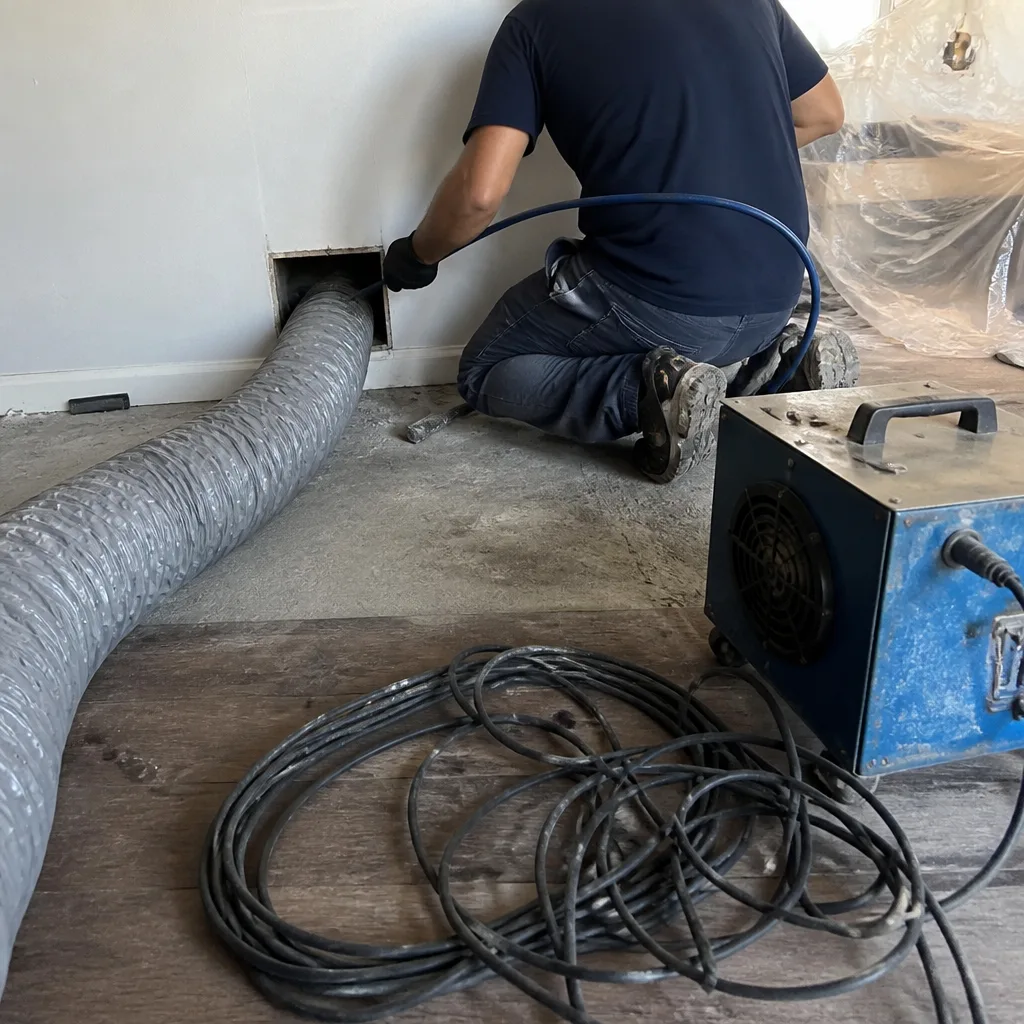 Before
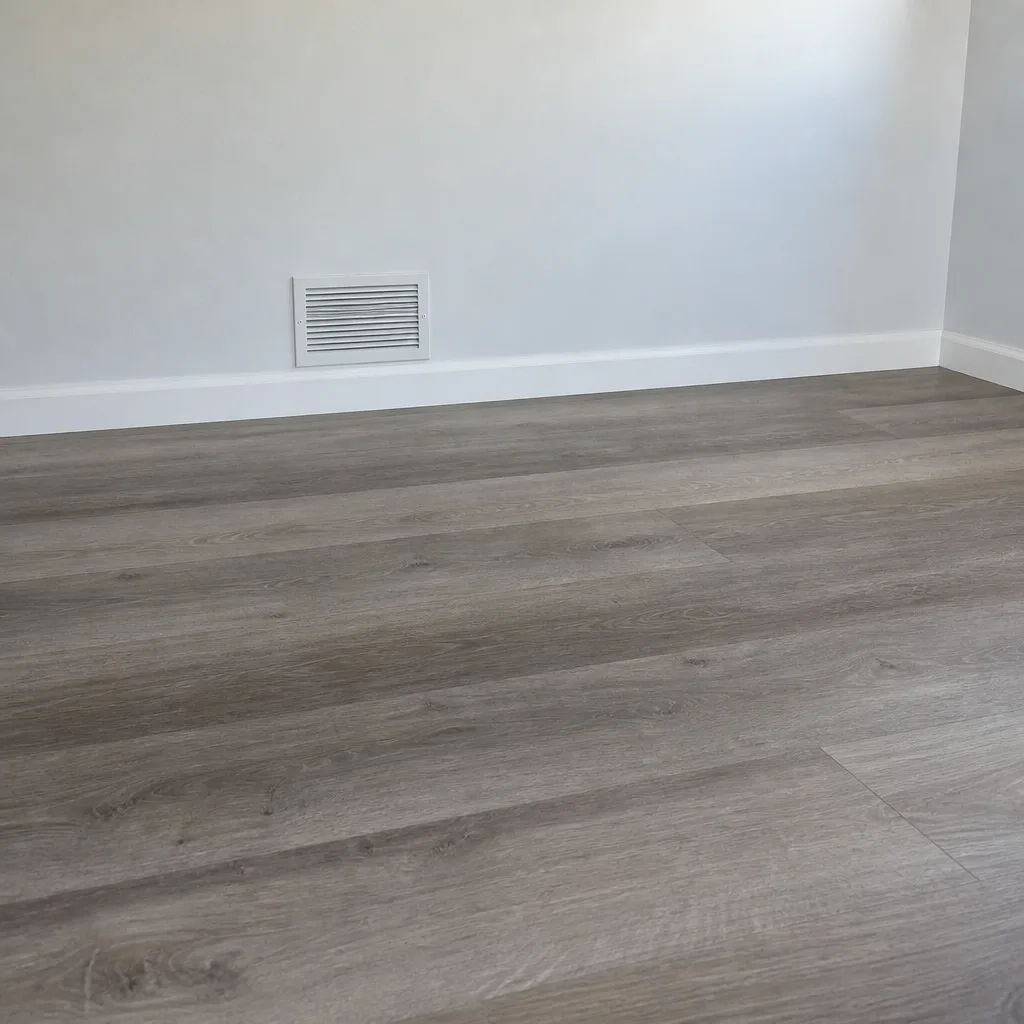 After
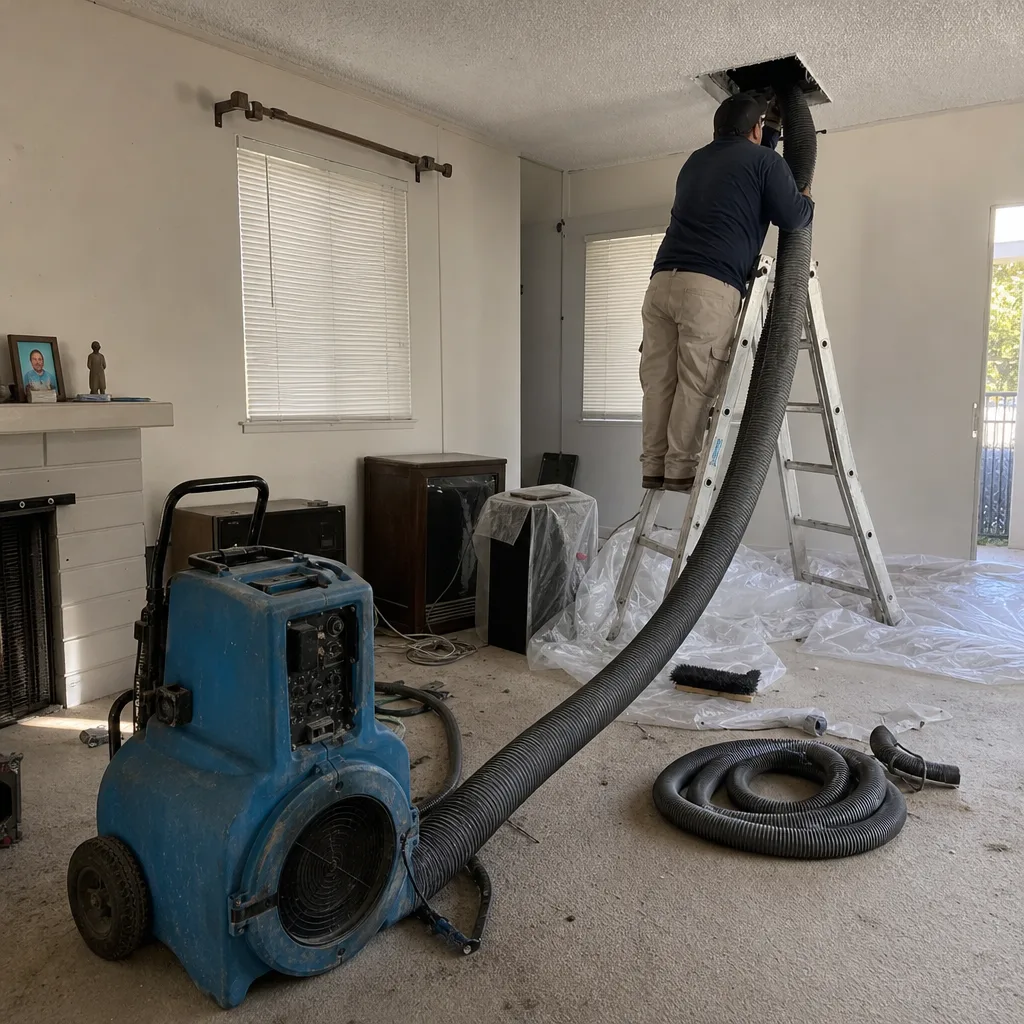 Before
 After
 Before
 After