
Last updated November 4, 2026
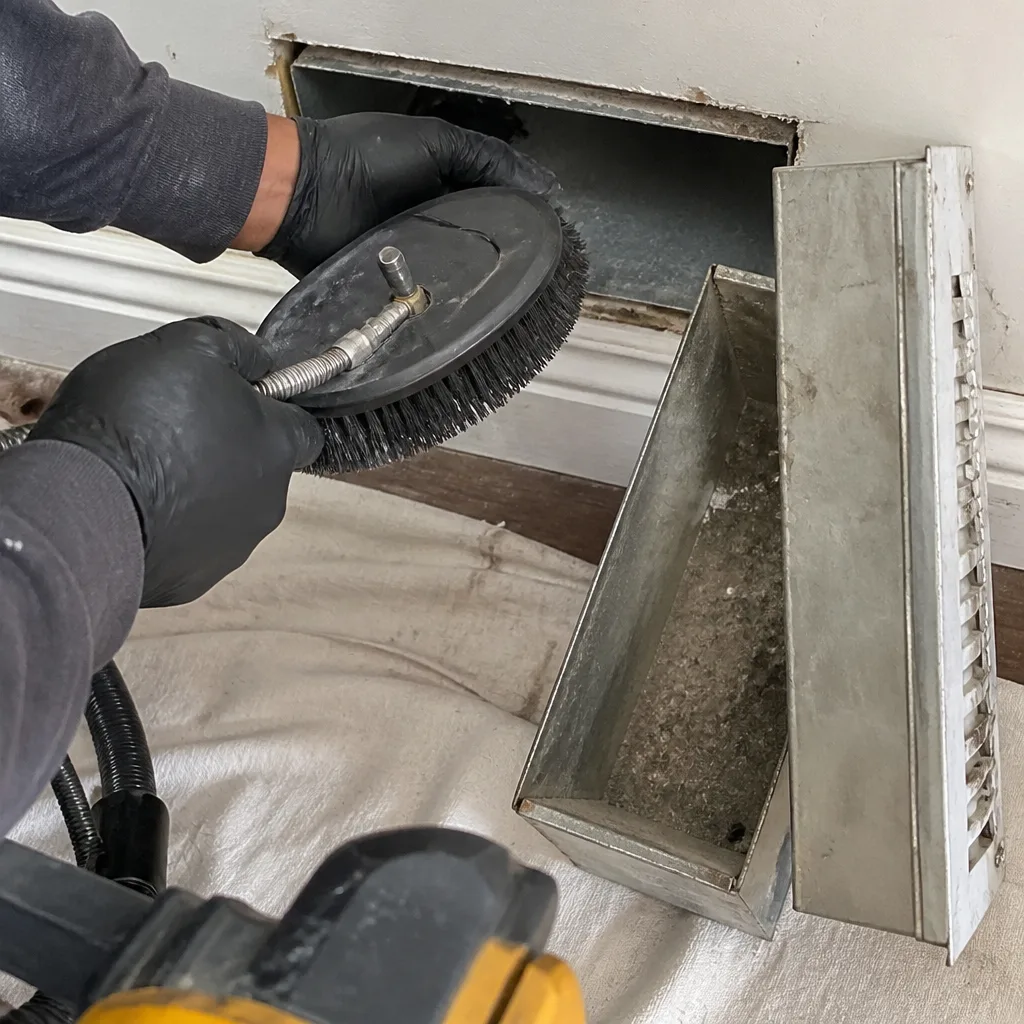
 Whole-home duct cleaning
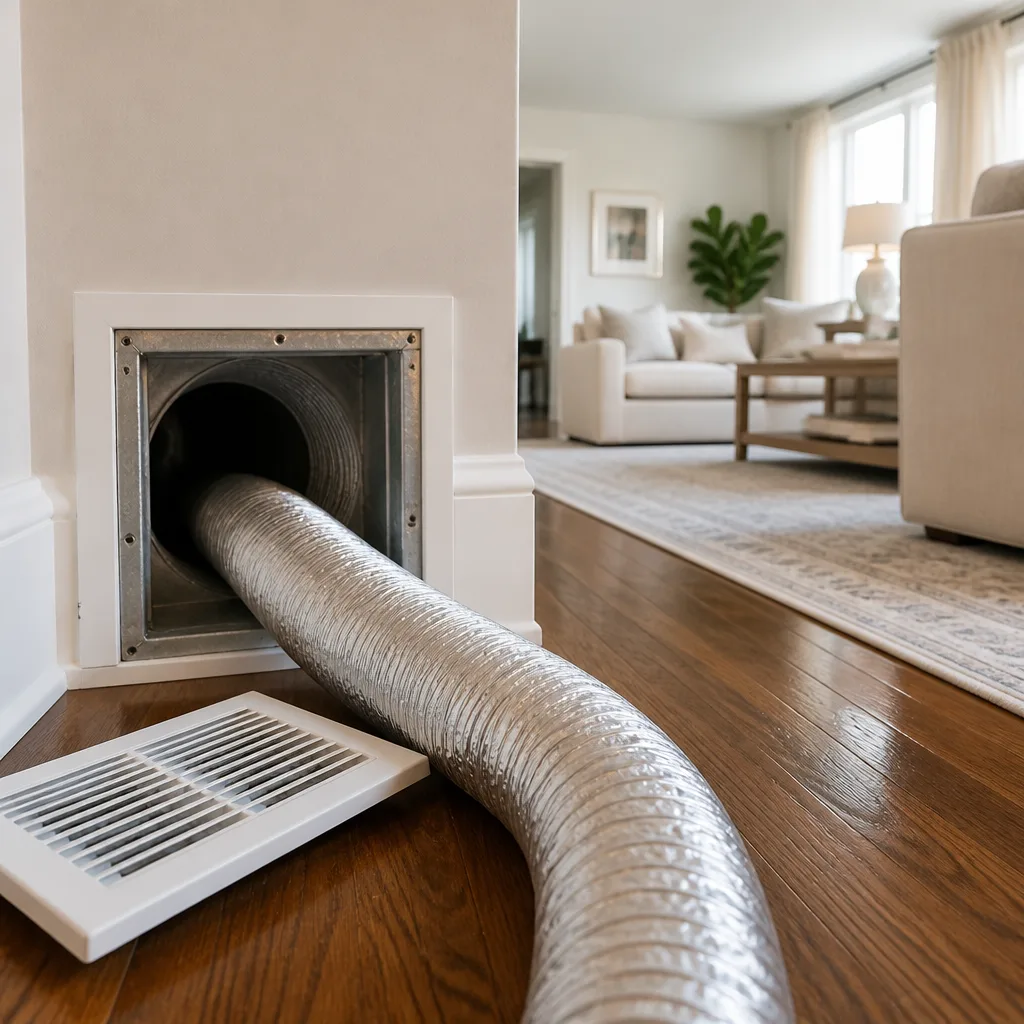
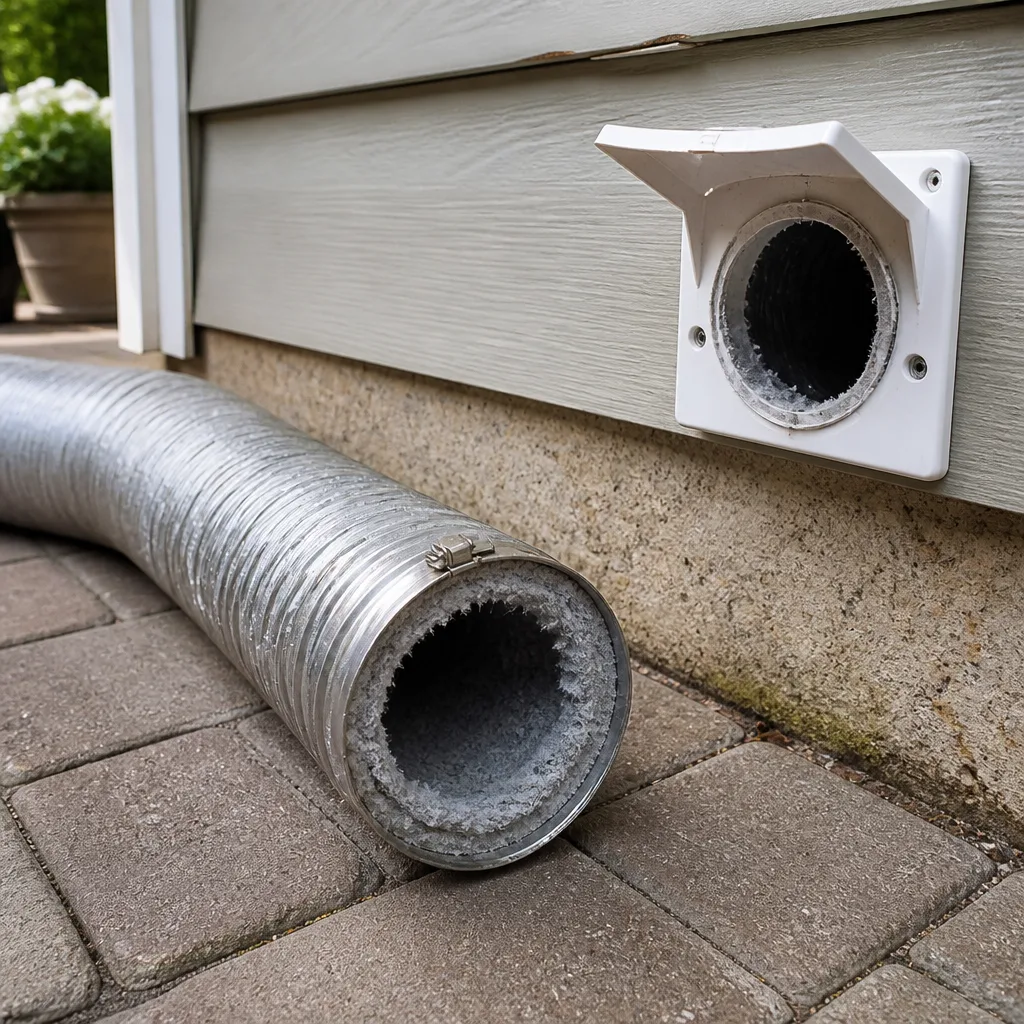 Dryer vent cleaning
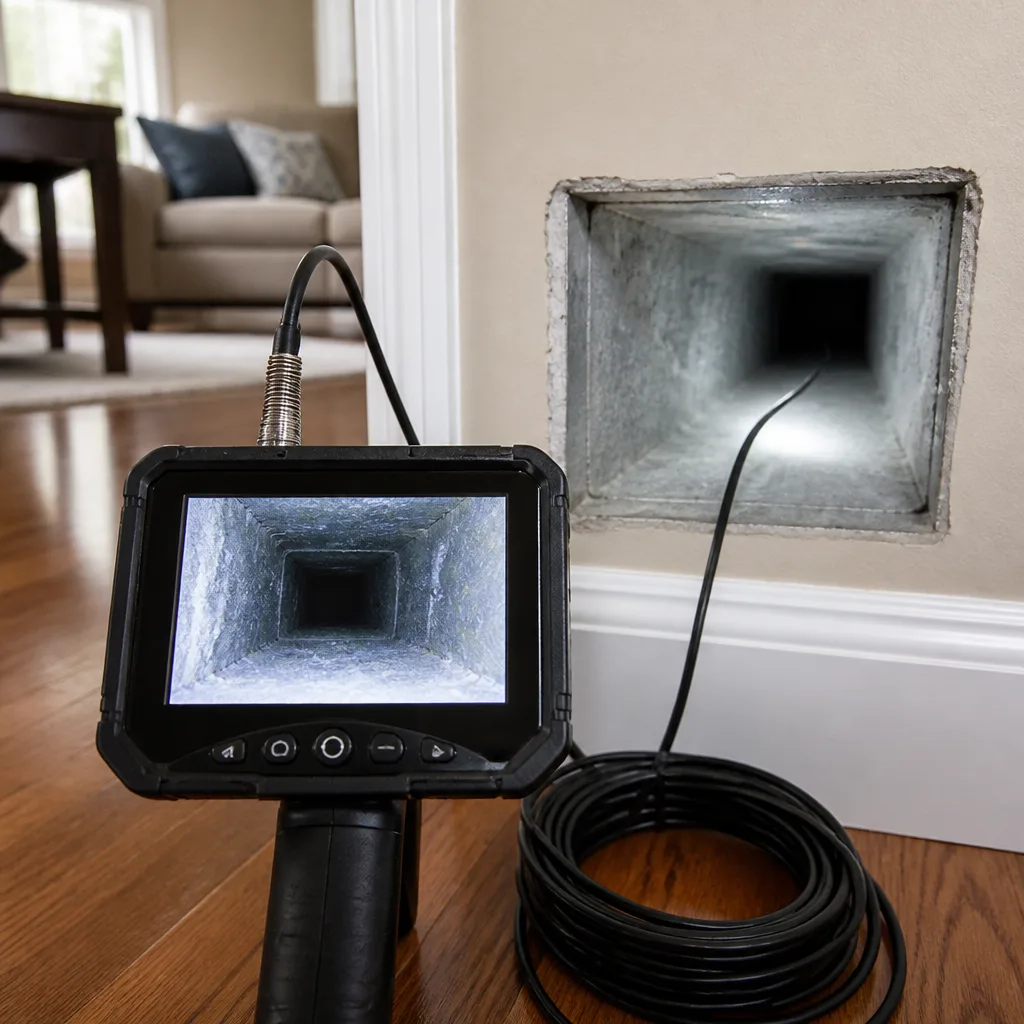 Camera inspection
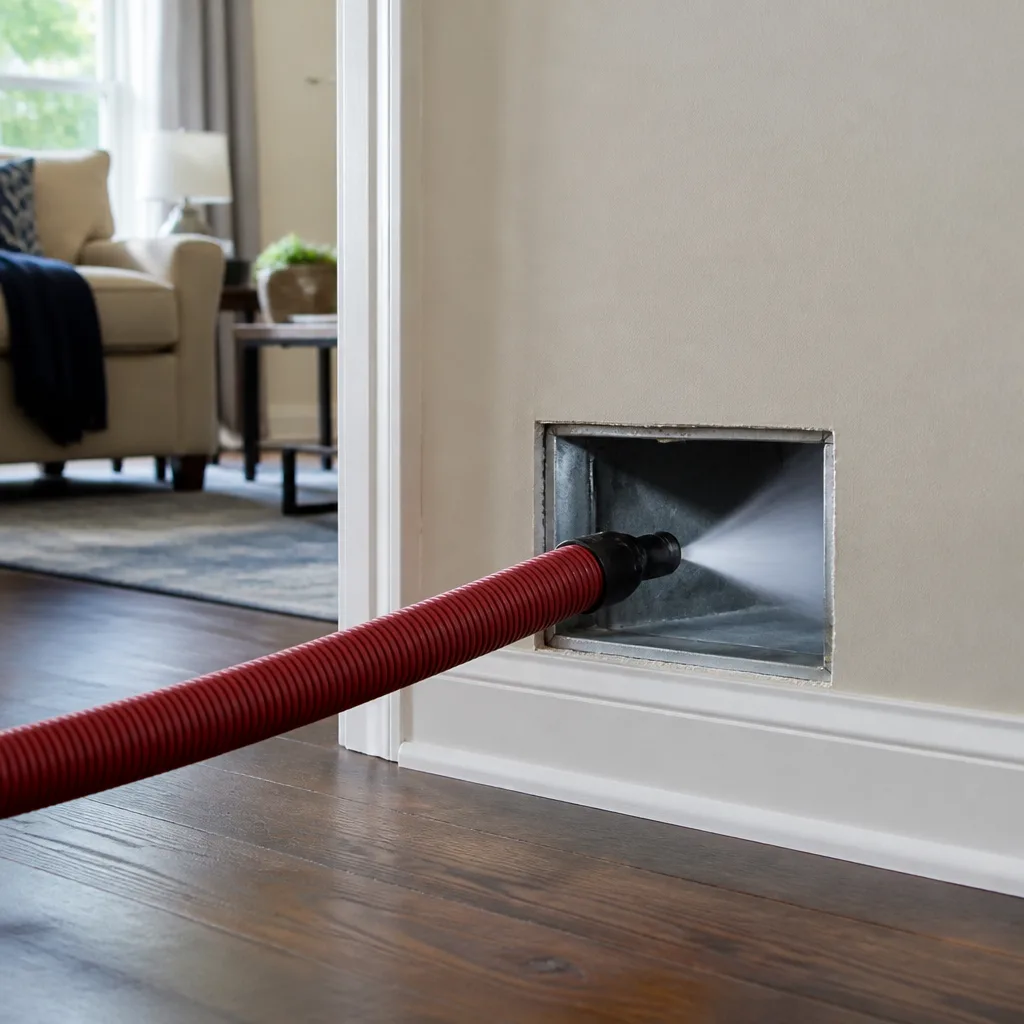 Sanitizing & deodorizing
Whole-system duct and dryer vent check with before-and-after photos - you see exactly what came out of your vents
That "$99 whole-house special" is a bait ad - the real number appears once they are in your hallway, or the "clean" is a shop-vac at the register. We photograph the inside of your ducts before and after instead.
The Complete Guide to Air Duct Cleaning in Lakewood
Most Lakewood homeowners have never seen the inside of their own ductwork, and that’s exactly the problem. The city’s housing stock, much of it tract construction from the 1950s through the 1980s, was built around HVAC systems that predate modern filtration standards. Those original ducts, still running through walls and crawlspaces in thousands of Lakewood homes, move air through decades of accumulated dust, construction debris, and particulate that settles into every bend and seam. This guide explains how Lakewood’s specific building history shapes duct conditions, what a legitimate cleaning actually involves, and how to verify the work was done without taking anyone’s word for it.
Quick Answer
Air duct cleaning in Lakewood typically costs between $450 and $900 for a full system clean, depending on home size, accessibility, and whether the ducts have ever been serviced. A legitimate clean uses negative-air source removal, not just a spinning brush shoved through a vent. Homes near the 405, 605, or 91 freeways generally need cleaning more often because freeway particulate infiltrates ducts continuously, and Lakewood’s pre-1970 tract housing adds another layer of concern: original duct materials that deteriorate differently than modern flex.
Styles & brands we work with
- Whole-home duct cleaning
- Dryer vent cleaning
- Camera inspection
- Sanitizing & deodorizing
Table of Contents
- Why Lakewood Homes Need a Different Approach
- What Air Duct Cleaning Actually Does (and Doesn’t Do)
- How Lakewood’s Tract Housing Affects Your Ducts
- Freeway Particulate: The 405, 605, and 91 Factor
- Source Removal vs. Contact Vacuum: Why the Method Matters
- What a Full-System Clean Includes
- How to Verify the Cleaning Was Actually Done
- What Air Duct Cleaning Costs in Lakewood
Why Lakewood Homes Need a Different Approach
Lakewood was one of the most significant post-WWII planned communities in California. The Lakewood Plan, which shaped development across southeast Los Angeles County, produced neighborhoods of tract homes built quickly and efficiently between roughly 1950 and 1980. That efficiency had consequences for HVAC design that still affect homeowners today. Ductwork in these homes was often routed through tight attic spaces and wall cavities, with joints that were sealed with materials never intended to last six decades. Shifts in framing, minor settling, and simple material fatigue have opened gaps that pull insulation dust, crawlspace air, and attic particulate into the airstream.
What this means practically: a 1965 Lakewood rancher with original ductwork is a different animal than a 2005 home with metal ducts and modern sealing. The older system will show different contamination patterns, different leak behavior, and different cleaning requirements. Generic duct cleaning advice, the kind that treats every home as a template, misses this entirely. In our experience, Lakewood’s older homes need a cleaning approach that accounts for degraded seals, mixed duct materials, and decades of accumulated particulate that newer homes simply haven’t had time to collect.
What Air Duct Cleaning Actually Does (and Doesn’t Do)
Duct cleaning is source removal. The goal is to physically remove accumulated debris from the interior surfaces of supply lines, return plenums, air handler cabinets, and coils. That debris includes dust, pet dander, pollen, construction particulates, and in Lakewood specifically, a measurable amount of what we’ll call freeway film: fine particles that drift in from the major freeways and settle into the system. What duct cleaning does not do is prevent future buildup. It resets the system. It removes the existing burden.
It also doesn’t eliminate the need for regular filter changes. A clean duct system with a neglected filter will re-contaminate within months. The Fortress Air Duct Cleaning approach treats the duct system and the filtration as one connected thing, because they are. Your air moves through both every time the blower runs. One without the other leaves half the job undone. That’s why we ask about filtration during every estimate: a Honeywell media cabinet or a basic Aprilaire filter slot changes how quickly a system re-accumulates particulate, and it changes what we recommend.
How Lakewood’s Tract Housing Affects Your Ducts
The Lakewood Plan homes were built in phases, and the materials used changed over the decades. Original ductwork in the 1950s and early 1960s sections is often sheet metal with a galvanized coating. Sheet metal is durable but prone to seam separation. The joints were hand-sealed, and after sixty or seventy years of airflow, temperature shifts, and building movement, those seals fail. The result is air leaking into unconditioned spaces, which pulls in dust and reduces system efficiency.
By the late 1960s and through the 1980s, flex duct appeared in many Lakewood additions and some new construction. Flex duct, the insulated flexible tubing with an inner plastic liner, degrades differently. The liner can develop pinholes, the insulation can compress, and loose straps can create sags where debris settles. Neither material is worse, but each requires a different cleaning method and a different set of expectations. A company that treats sheet metal and flex with the same brush pressure is asking for trouble. Older flex liner is particularly vulnerable to aggressive agitation.
Lakewood’s flat geography and mild winters mean duct systems don’t face the temperature extremes seen in other regions, but they do face one consistent enemy: time. Most of the original systems have simply been running longer than they were ever designed to. The particulates inside a 1972 Lakewood duct system have been accumulating for over fifty years. That’s not a scare statistic; it’s just what happens when air moves through the same channels for half a century.
Freeway Particulate: The 405, 605, and 91 Factor
Lakewood sits in a pocket of southeast Los Angeles County defined by three freeways: the 405 to the west, the 605 to the east, and the 91 crossing south. This geography matters for air quality in ways that many guides ignore. Vehicle exhaust, tire wear, brake dust, and road surface particulates produce fine particles that travel well beyond freeway shoulders. Homes within a mile or two of major freeway corridors consistently show higher indoor particulate loads, simply because outdoor air finds its way inside through windows, doors, and the natural leakage of the building envelope.
That outdoor particulate doesn’t stay outdoors for long. It enters the return air stream and gets pulled into the duct system. Some of it sticks to the first few feet of return duct. Some of it passes the filter and reaches the coil and supply lines. Over time, freeway-sourced particulate builds up as a fine, dark residue that’s different from household dust. It’s stickier and more uniform, and it coats duct interiors in a film that regular household dust doesn’t. Homes in the northern sections of Lakewood, closer to the 91 and 405 corridors, often show this residue more quickly than homes further south. A thorough air duct cleaning removes this film along with the larger debris, but it returns faster in freeway-adjacent neighborhoods than it does in central residential blocks.
Source Removal vs. Contact Vacuum: Why the Method Matters
There are two fundamentally different approaches to duct cleaning, and knowing the difference is the single most useful thing you can take from this guide. Contact vacuuming, sometimes called surface vacuuming, uses a portable vacuum with a brush attachment moved directly along duct interior surfaces. It removes loose debris from the first few feet of accessible duct but cannot create the suction needed to pull material from deeper inside the system. For an older Lakewood home with fifty feet of supply line branching through walls, contact vacuuming is a partial clean dressed up as a complete one.
Source removal works differently. A high-powered vacuum system creates negative pressure across the entire duct network, while agitation tools physically dislodge debris from all interior surfaces. The dislodged material is pulled by the negative airflow to the collection unit, not just pushed around. This is the method that actually removes the freeway film, the construction dust, and the accumulated pet dander from places you cannot reach with a portable unit.
For older flex duct, source removal with controlled agitation is the appropriate method. Aggressive mechanical brushing can tear the liner of degraded flex, which creates a larger problem than the debris it removes. Sheet metal responds well to brush agitation but needs care at seams where aggressive action can widen existing gaps. The equipment matters precisely at this point. Rotobrush and Nikro systems, the two platforms our crews run, provide the negative air pressure and agitation control needed for both duct types in Lakewood homes. This is not consumer-grade equipment. It’s the category used in commercial and remediation-level work, and it’s what older tract home systems actually require.
What a Full-System Clean Includes
A legitimate full-system clean in a Lakewood home includes more than the vents you can see. The accessible vent covers are the tip of the system, and a company that cleans only those has done roughly five percent of the job. Here’s what a complete clean should cover:
- Supply lines: Every branch from the main trunk to each register, cleaned to the full depth of the run, not just the visible opening.
- Return plenums: The large collection boxes that pull air back to the air handler, which often hold the highest concentration of debris.
- Air handler cabinet: The blower housing and surrounding interior surfaces, where dust and particulate settle and then recirculate through the system.
- Evaporator coil: The coil sits in the airstream and is a primary collection point for dust and film. A dirty coil reduces airflow and efficiency while shedding particulate downstream.
- Supply and return registers: The visible grilles and their immediate housing, cleaned and reinstalled properly.
If a quote doesn’t include these components, it’s not a full clean. In older Lakewood homes, the air handler cabinet and coil are often the dirtiest parts of the system, and they’re also the most commonly skipped. The reason is simple: accessing them takes time and sometimes requires opening a panel or removing a cabinet cover. A company racing through three jobs a day will skip the hard parts. A specialist won’t. Our work includes duct repair, too, which matters when a cleaning reveals damaged sections. Most duct cleaners will show you a problem and refer you to someone else. We can address it on the spot, because we work on the system, not just the surface.
How to Verify the Cleaning Was Actually Done
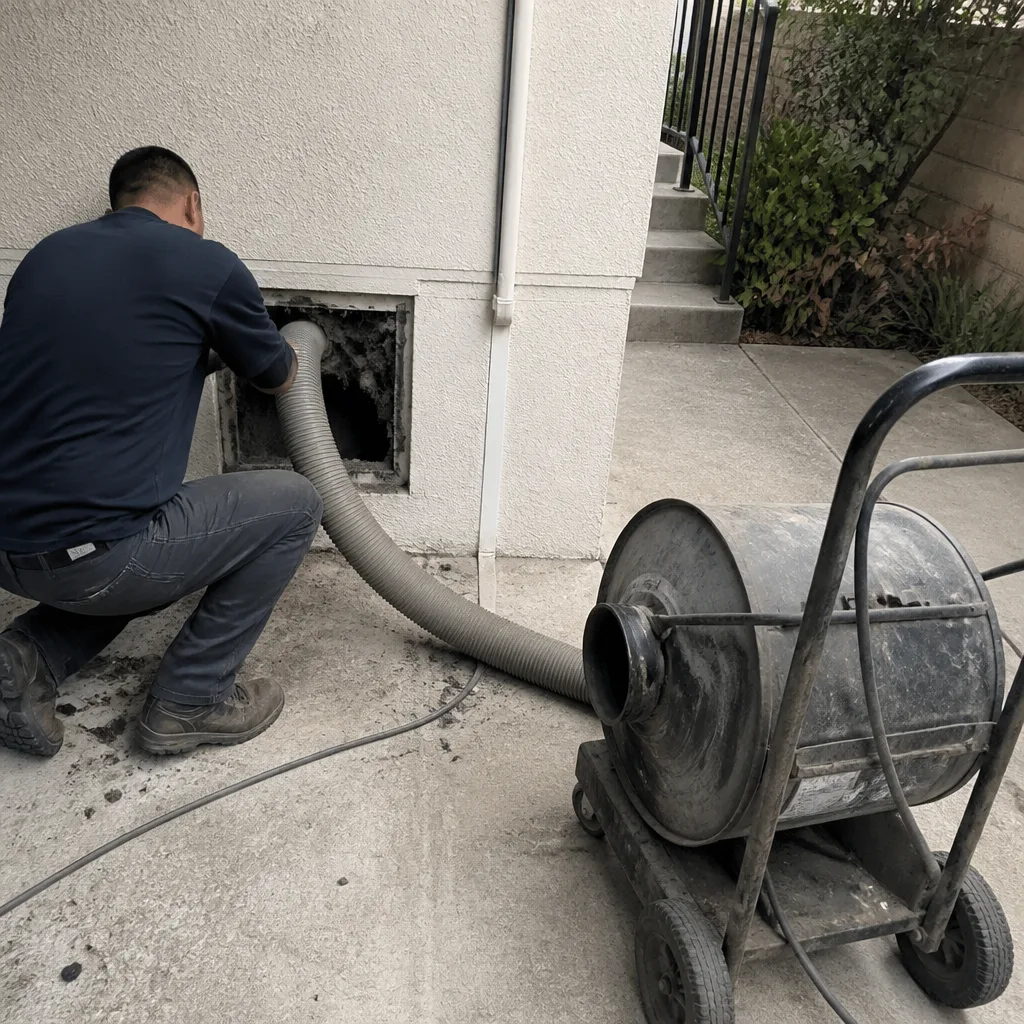
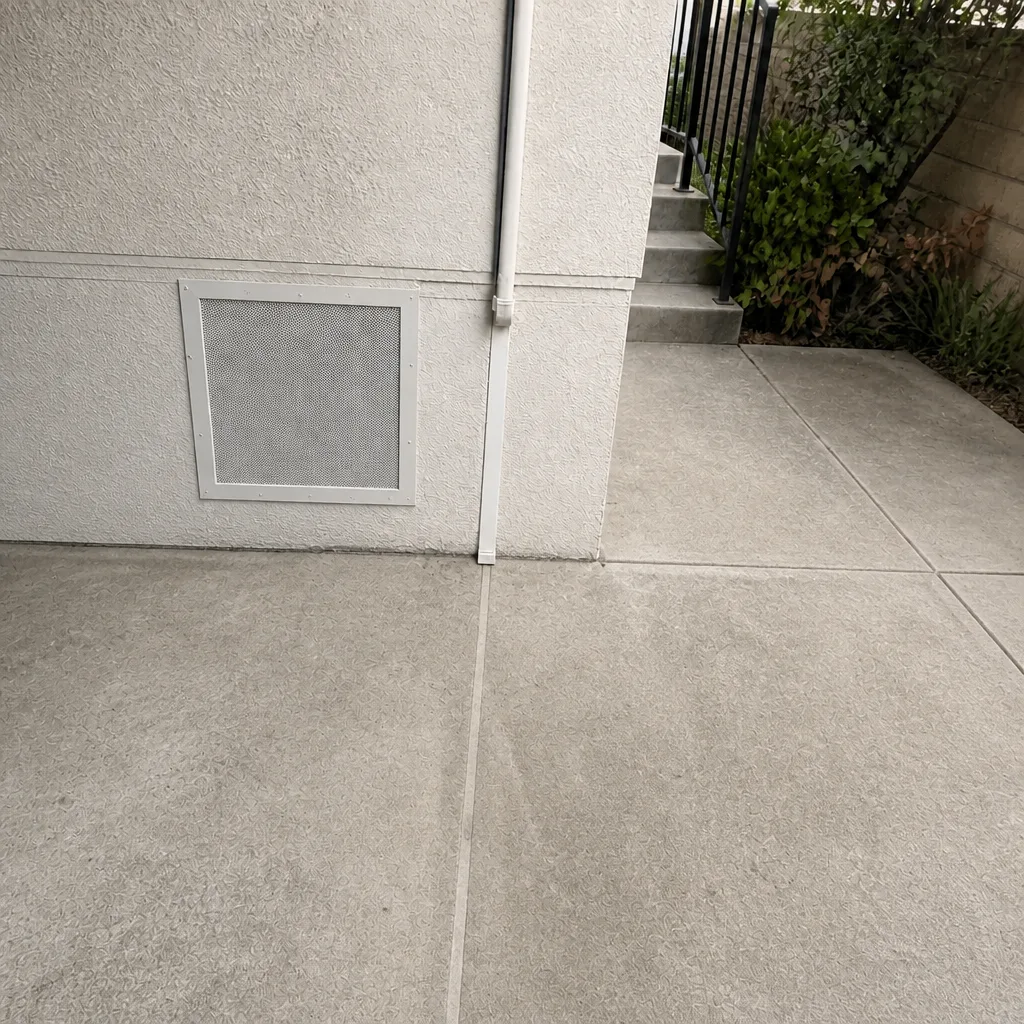
This is the question that separates a real cleaning from an empty invoice. You can’t see inside your ducts after the job, so how do you know anything happened? The answer is before-and-after camera documentation. A professional cleaning should include photos or video showing the interior of your ducts before work begins and after it’s complete. The difference should be obvious: the before image shows visible debris and film, the after image shows a clean surface. If a company can’t produce this documentation, you have no evidence the work wasn’t just a vent-level brushing and a quick invoice.
Here’s the verification process we recommend for every Lakewood homeowner:
- Request pre-cleaning photos of your actual ducts. Ask to see the interior condition before any work starts. If the technician won’t provide this, the job is off to a bad start.
- Ask where the access points will be opened. A legitimate clean requires access into the main trunk and, often, the return plenum and air handler cabinet.
- Watch the agitation and vacuum stages. The equipment should run for a meaningful amount of time. A ten-minute vacuum pass on a three-bedroom home is not source removal.
- Demand post-cleaning photos of the same locations. Same duct sections, same angles, documented improvement. This is standard practice for professional-grade work.
- Check the coil and blower cabinet before and after. If these were cleaned, there should be photos of them too.
- Feel the airflow at each register. Proper cleaning can improve airflow, especially in systems with heavy coil buildup.
Documentation is the trust mechanism in this industry. Not a verbal reassurance. The camera doesn’t lie, and a contractor who uses one willingly is signaling that they have nothing to hide. We’ve seen what’s inside Lakewood duct systems that have never been cleaned: construction debris from the original build, decades of insulation dust, pet hair compressed into the return plenum. Removing it changes airflow and air quality in ways you can measure with a simple before-and-after visual, and the photos prove it.
What Air Duct Cleaning Costs in Lakewood
In Lakewood, a full-system air duct cleaning on a typical three-bedroom, two-bath tract home runs between $450 and $900. Smaller condos and single-story homes with accessible duct systems fall on the lower end of that range. Larger homes, two-story layouts, or systems with heavy buildup, extensive flex duct, or difficult access fall on the higher end. Add-ons like dryer vent cleaning are priced separately and should be quoted as a line item before work begins.
The range exists because Lakewood homes vary widely in duct configuration. A compact 1955 rancher with a simple trunk-and-branch metal system will take less time than a 1980s split-level with multiple additions and mixed duct materials. Freeway-adjacent homes with heavy film buildup often require additional agitation time. The written estimate sets the price before we start. There’s no per-vent pricing, no bait-and-switch coupon, no invoice that grows once the van is parked on the driveway. One flat price per system, agreed before work begins.
Here’s what shapes the final cost:
- Number of supply and return registers: More registers means more runs to clean.
- Duct accessibility: Attic access is usually straightforward; crawlspace access can add time.
- Degree of buildup: Light dust cleans quickly; fifty years of freeway film takes longer to dislodge.
- Presence of older flex duct: Degraded flex requires controlled agitation, which is slower than aggressive brushing.
- Coil and blower access: If the air handler requires extra panel removal, the job takes longer.
- Repairs discovered during cleaning: If the cleaning reveals separated seams or damaged sections, repair work adds cost and is quoted separately before proceeding.
Cheap quotes in this industry almost always mean contact vacuuming or partial cleaning. A $99 whole-home special doesn’t pay for the labor of a legitimate source-removal clean, which means the company is either cutting corners or planning to upsell you once they arrive. The honest approach is a written estimate that reflects the actual scope of work on your actual system, which is exactly what you’ll get from Fortress. Call (833) 593-4030 for a free estimate in Lakewood. We answer 24/7. Fast dispatch from 7am to 7pm, Sunday through Friday.
Common Mistakes to Avoid
- Hiring the lowest bid without asking about method. A low price means contact vacuuming, partial cleaning, or a planned upsell. Ask specifically whether the company uses negative-air source removal before comparing prices.
- Skipping the coil and air handler cabinet. Many companies clean only accessible vents and call the job done. If the quote doesn’t include coil and cabinet work, it’s a partial clean regardless of what it costs.
- Accepting work without before-and-after documentation. No photos, no proof. A legitimate contractor documents the work as a matter of practice. Lakewood homeowners should treat this as a non-negotiable requirement.
- Cleaning ducts while ignoring the dryer vent. Dryer vents in Lakewood homes are often long runs with multiple turns, and lint buildup is a fire hazard. A comprehensive air system service includes the dryer vent, not as an upsell but as a genuine safety item.
- Waiting for visible dust at registers to decide it’s time. By the time you see dust accumulating at the supply grilles, the interior buildup is substantial. Freeway particulate settles deep in the system long before it becomes visible at registers.
- Assuming newer homes never need cleaning. Even a twenty-year-old Lakewood home in a freeway-adjacent neighborhood can show significant film and debris in the return plenum. Construction dust from the original build often remains in the system.
See the difference
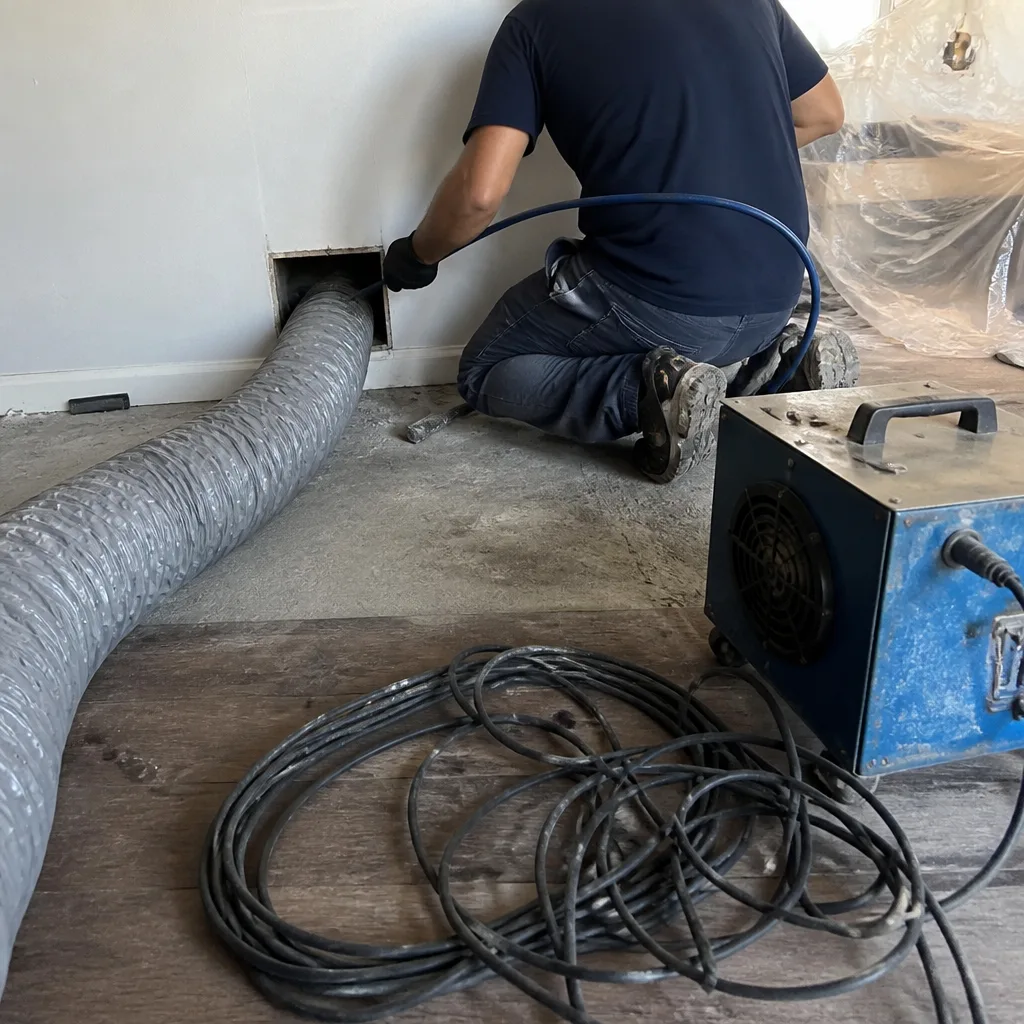 Before
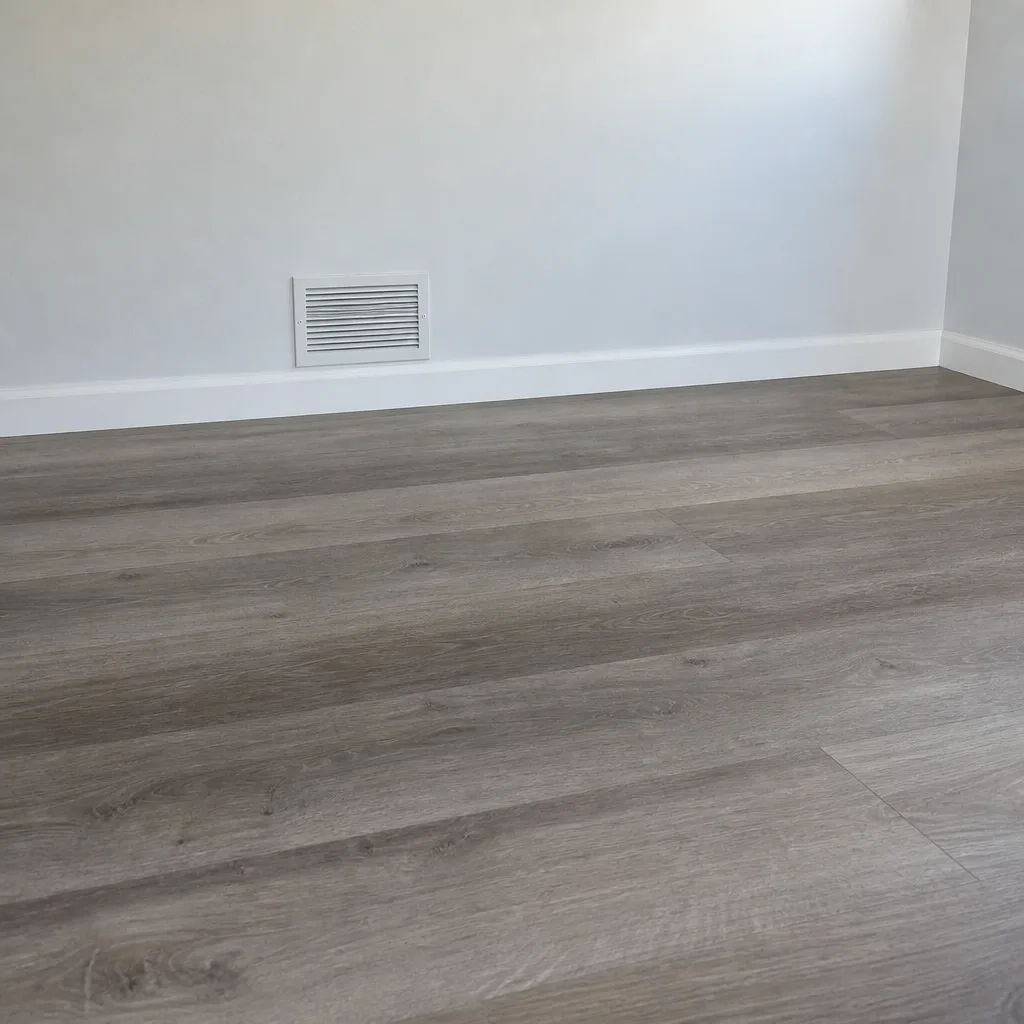 After
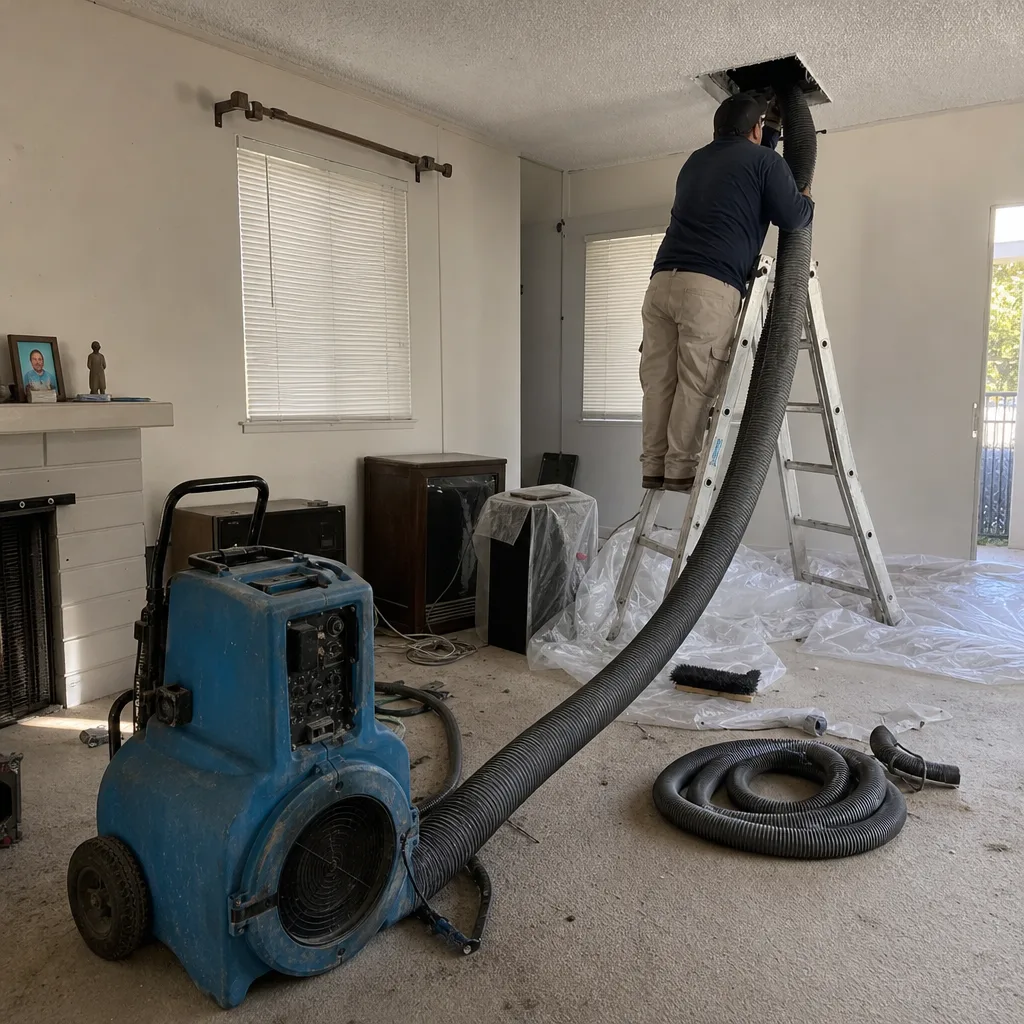 Before
 After
 Before
 After
When to Call a Professional
Call a professional when the system hasn’t been cleaned in five years or more, when anyone in the home has persistent allergy symptoms that worsen when the system runs, or when you can see visible dust accumulation at supply registers within days of cleaning. Renovation work is another trigger: drywall dust and construction particulate get pulled into the return-air system and settle throughout the ductwork. If you’ve purchased a Lakewood home and don’t know the duct history, start with a camera inspection. The photos will tell you whether cleaning is urgent or can wait. Fortress Air Duct Cleaning offers free estimates in Lakewood. Call (833) 593-4030. We answer 24/7. Fast dispatch from 7am to 7pm, Sunday through Friday.
Frequently Asked Questions
A legitimate full-system clean in Lakewood runs $450 to $900 for a typical tract home. The written estimate sets the price, and it should include supply lines, return plenums, air handler cabinet, and coil. Call (833) 593-4030 for an exact quote on your system. Estimates are free.
Cheap quotes usually mean contact vacuuming instead of source removal, skipping the coil and air handler cabinet, or a bait-and-switch upsell plan. A proper source-removal clean takes real labor hours and professional-grade equipment, which has a minimum honest cost. If the price seems too low to cover the work described, it is.
Require before-and-after camera documentation of the same duct sections, including the coil and air handler cabinet. If a company won’t provide this, they haven’t given you evidence the work happened. Photos are the industry’s verification standard, and legitimate contractors produce them as a matter of routine.
Every three to five years is the general interval for most Lakewood homes. Homes near the 405, 605, or 91 freeways may need cleaning closer to the three-year mark because of continuous particulate infiltration. Homes with heavy pet presence or past renovation work should lean toward the shorter interval. A camera inspection gives you a definitive answer for your specific system.
It removes the accumulated reservoir of dust, pollen, pet dander, and particulate that circulates through your air system. That’s real source removal, not a cure. People with dust-related allergies often notice a difference after a legitimate full-system clean, especially when combined with improved filtration from Honeywell or Aprilaire systems.
Yes. Our team handles air duct repair alongside cleaning, which means separated seams, damaged flex sections, and other issues uncovered during the clean can be addressed immediately. Most duct cleaners refer this work out. We handle it on the same visit whenever the scope allows. Call (833) 593-4030 for a free estimate.
The Bottom Line
Lakewood’s homes are specific systems with specific histories. Original ductwork from the 1950s through the 1980s, freeway-adjacent particulate infiltration, and decades of accumulated debris mean generic cleaning advice doesn’t apply. A legitimate air duct cleaning in Lakewood uses negative-air source removal, covers the entire system including coil and cabinet, and produces before-and-after documentation you can actually verify. Professional-grade Rotobrush and Nikro equipment, contractor-tier filtration expertise, and the ability to repair what the cleaning reveals set apart the work we do at Lakewood‘s air system specialist. Your air system is only as clean as the ducts it moves through. Get a free estimate at (833) 593-4030. We answer 24/7. Fast dispatch from 7am to 7pm, Sunday through Friday.
Written by the team at Fortress Air Duct Cleaning, serving Lakewood since 2017.