
Last updated November 4, 2026
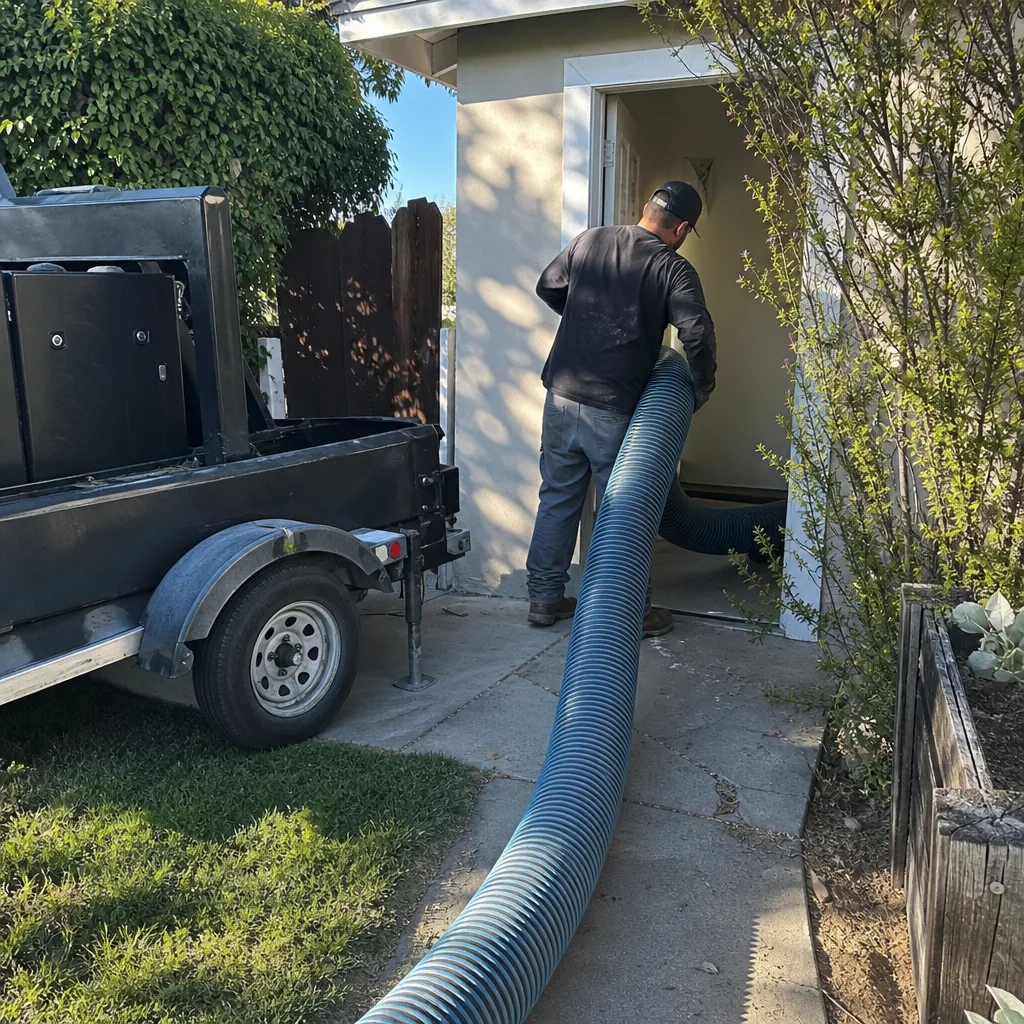
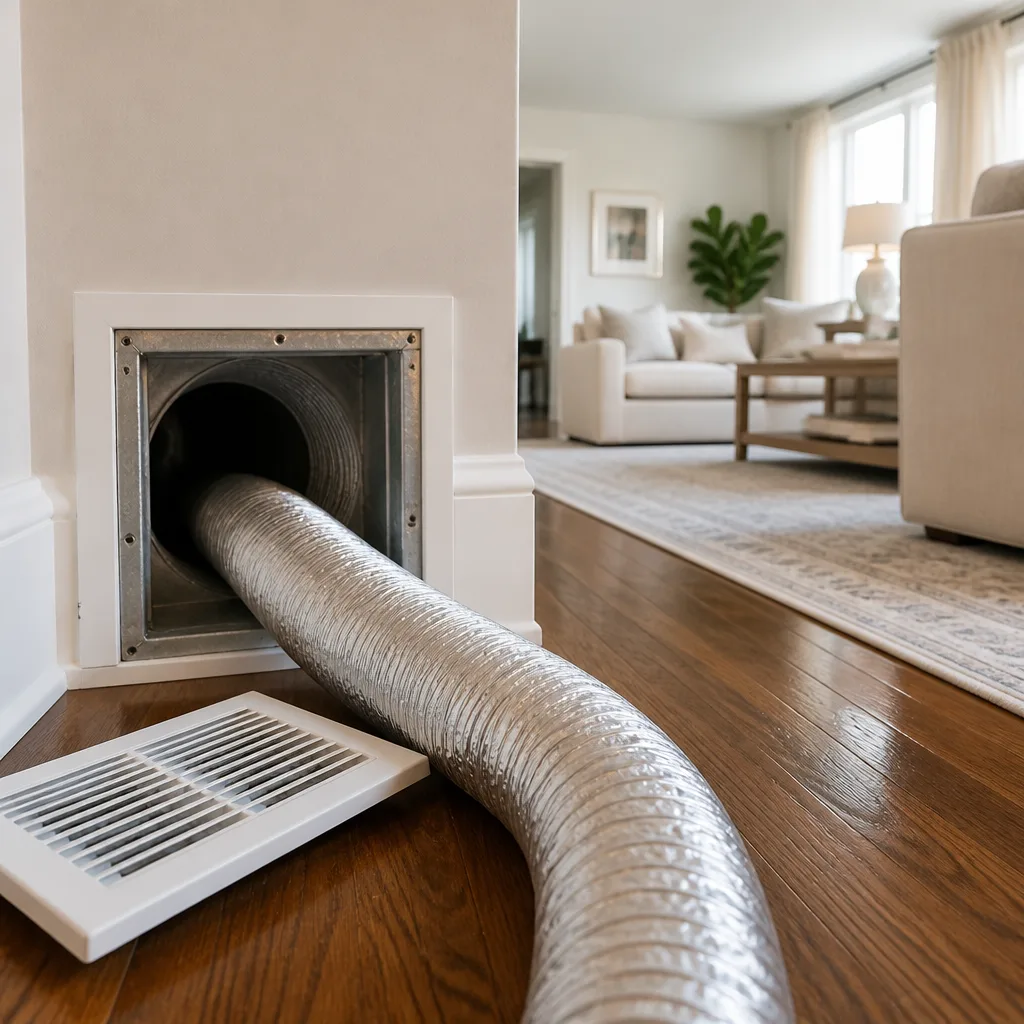 Whole-home duct cleaning
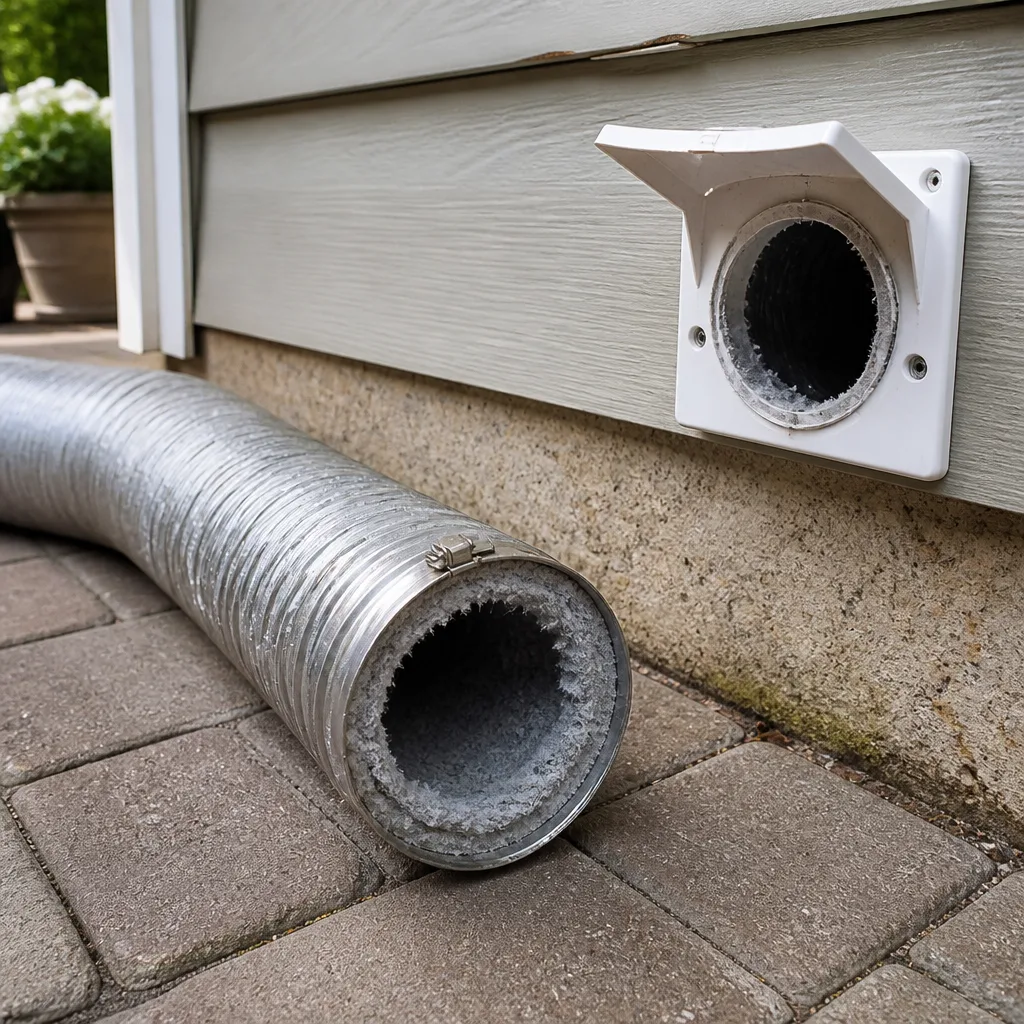 Dryer vent cleaning
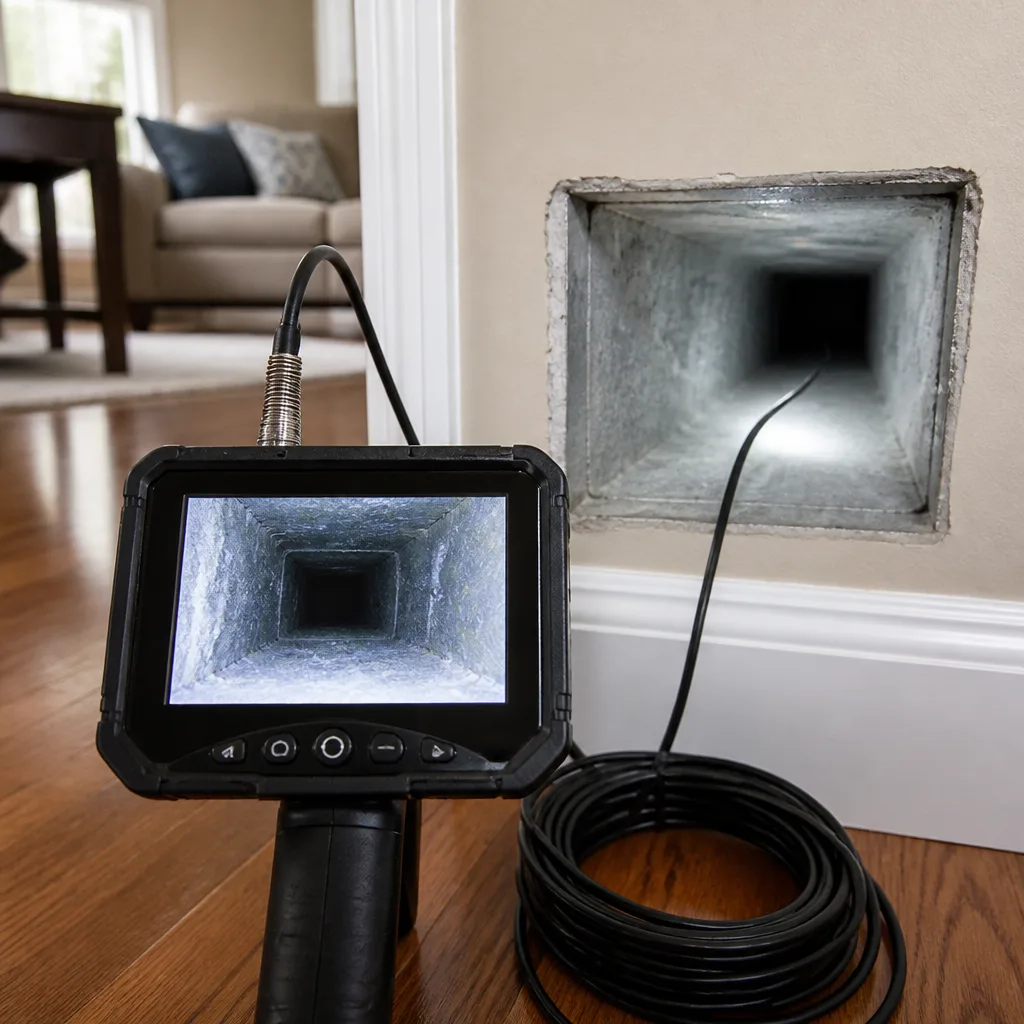 Camera inspection
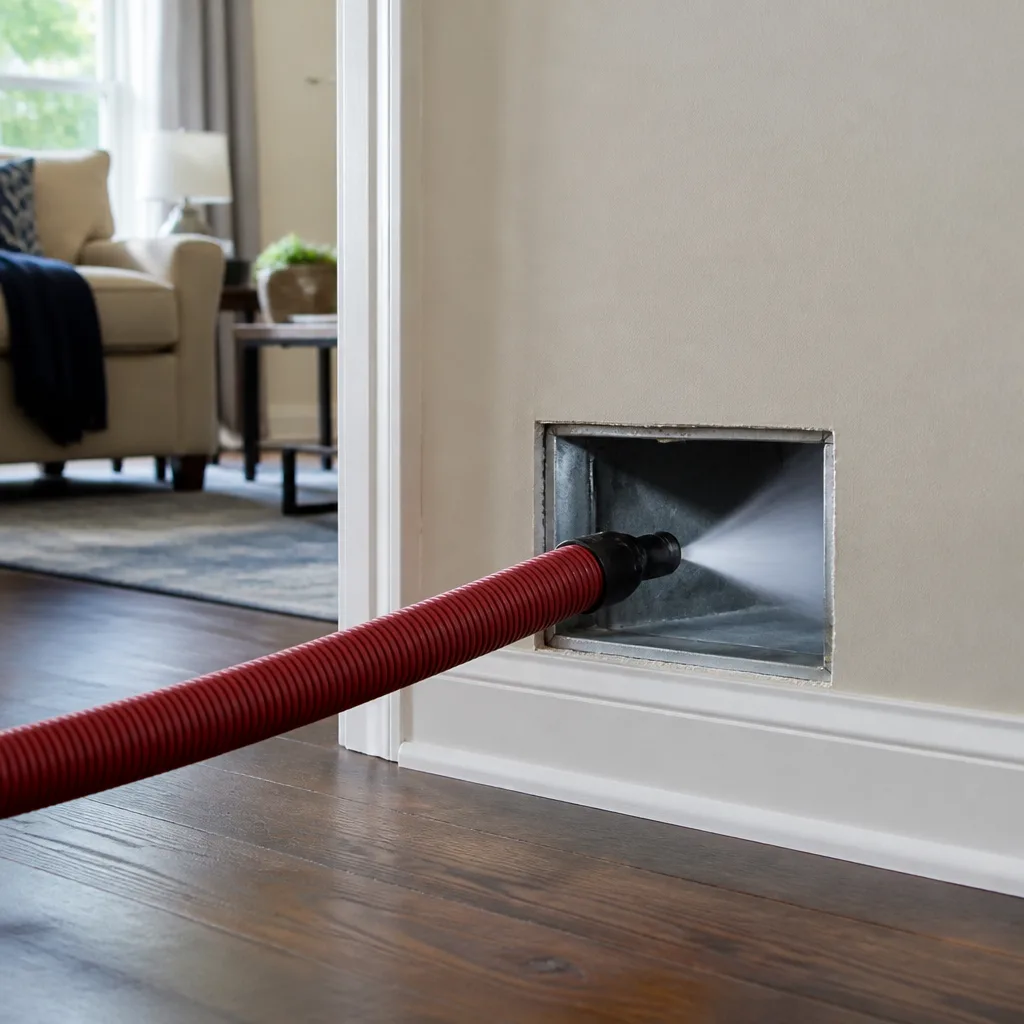 Sanitizing & deodorizing
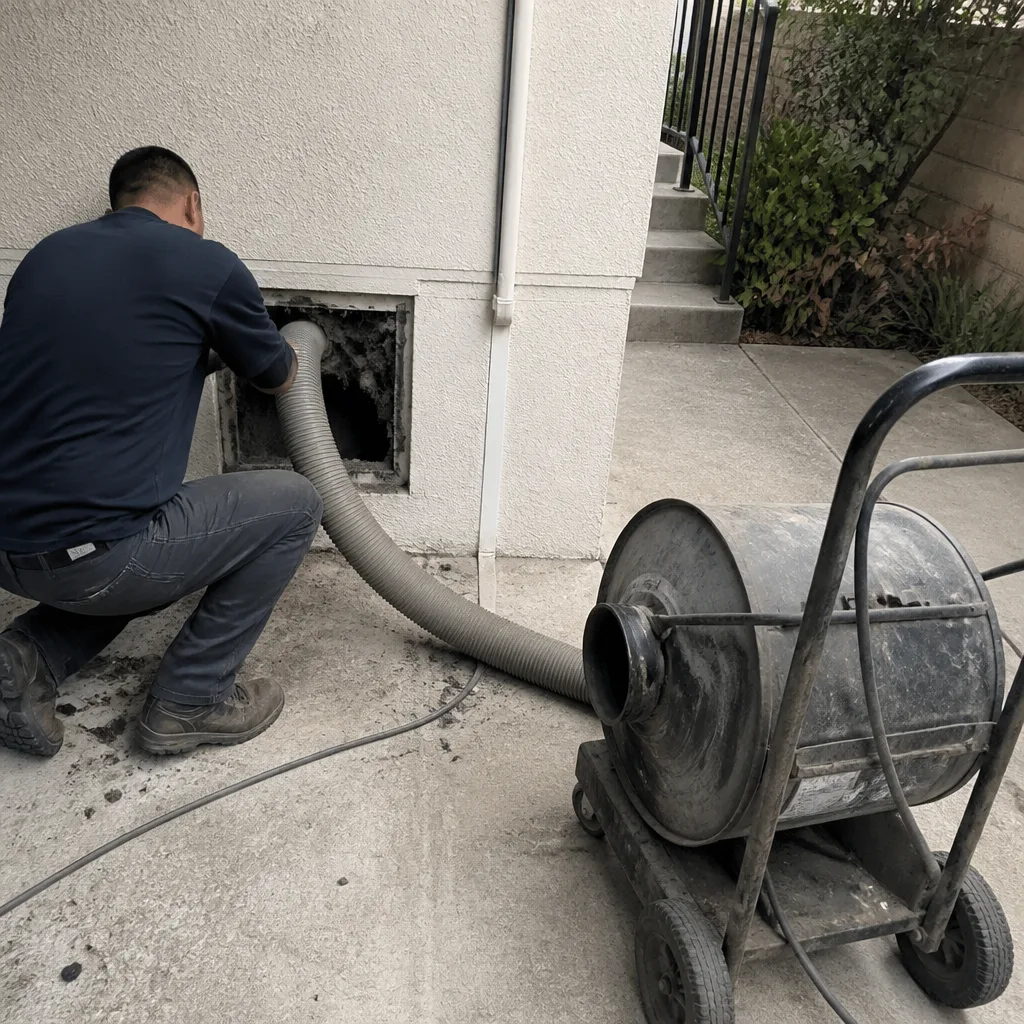
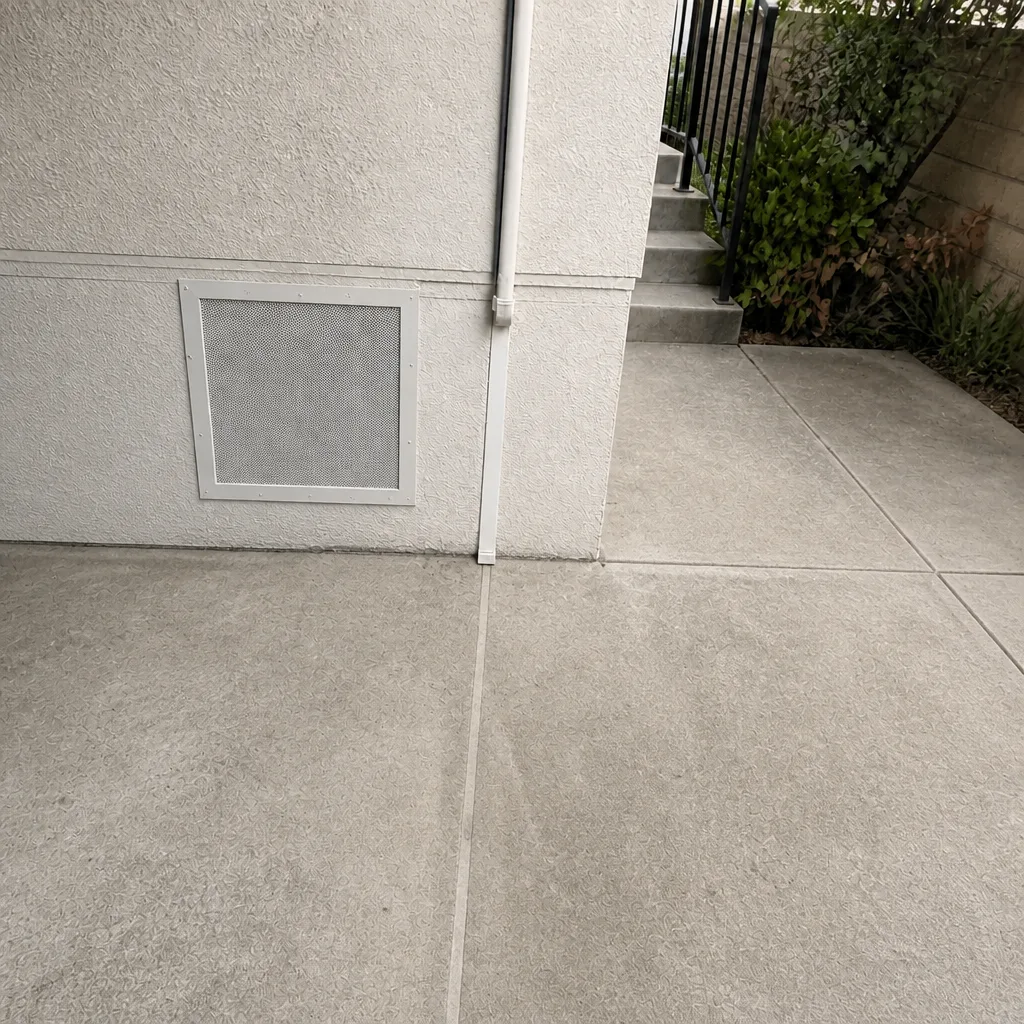
Whole-system duct and dryer vent check with before-and-after photos - you see exactly what came out of your vents
That "$99 whole-house special" is a bait ad - the real number appears once they are in your hallway, or the "clean" is a shop-vac at the register. We photograph the inside of your ducts before and after instead.
Air Duct Cleaning Warning Signs: A Lakewood Homeowner’s Reference Guide
A dust ring around a supply register and a dust ring around a return grille mean two completely different things. The first usually points to a failed boot seal where the duct meets the floor or wall. The second points to filter bypass, where dirty air is finding a way around the filter entirely. Both get lumped into “your ducts are dirty” by guides that treat symptoms without explaining mechanisms. This reference is different. We’re going to teach you how to read the signs your air system is already giving you in Lakewood, and what each one tells you about the specific category of problem you’re dealing with.
Quick Answer
The clearest warning signs that your Lakewood home needs air duct cleaning are dust accumulating quickly on surfaces after you clean, visible debris or dust plumes from supply registers when the system kicks on, airflow that’s noticeably weaker in certain rooms, a persistent musty or metallic smell from the vents, and allergy symptoms that flare up mainly when the HVAC runs. Any one of these is worth investigating. Two or more together usually mean the duct system has moved past normal dust accumulation into a condition that’s actively circulating contaminants through your living space.
Styles & brands we work with
- Whole-home duct cleaning
- Dryer vent cleaning
- Camera inspection
- Sanitizing & deodorizing
Table of Contents
- How to Read Register Dust Patterns as Diagnostic Data
- The Smell Classification System: What Each Odor Tells You
- Airflow Asymmetry: When One Room Keeps Underperforming
- Allergy Symptom Timing: Morning vs. Evening, Running vs. Idle
- Signs the Problem Has Moved Beyond Cleaning Into Repair Territory
- Dryer Vent Warning Signs: A Separate Fire Hazard
- Common Mistakes to Avoid
- When to Call a Professional
- Frequently Asked Questions
How to Read Register Dust Patterns as Diagnostic Data
Most Fortress Air Duct Cleaning customers in Lakewood call us because they see dust. That’s the right instinct, but the location and pattern of that dust matters more than most people realize. Register dust is not a yes-or-no signal. It’s a signature, and different signatures point to different root causes.
The Supply Register Dust Ring
When you see a dark ring or streaking on the wall or ceiling around a supply register, the first thing to check is whether the register itself is sealed to the duct boot. Supply registers blow conditioned air into the room under pressure. If the boot connection has failed, or if the register was never sealed properly, that pressurized air carries fine dust with it, and some of that air escapes around the edges of the register rather than through it. The dust gets deposited on the wall or ceiling in a radial pattern. This is a boot seal failure, and the fix is not necessarily a full duct cleaning. It’s a mechanical repair of the connection, which falls under air duct cleaning only if the duct itself is also loaded with debris.
The Return Grille Dust Halo
A dust pattern around a return grille tells a different story. Return grilles pull air from the room into the system. They’re under negative pressure, so a leak at the return boot doesn’t blow dust out. It pulls dust in from the wall cavity or the space between floors. What you’re seeing around a return grille is usually filter bypass or an unsealed return path. The room air is finding a shortcut around the filter, often because the filter doesn’t fit tightly in its slot, or because the return duct has a crack or disconnected section downstream of the grille. The duct is pulling unfiltered air from inside the wall cavity, and that air deposits dust on the grille face as it passes through.
Dust Plumes When the System Starts
If you see small puffs or plumes of dust from the supply registers in the first few seconds after the blower kicks on, that’s a different signature again. This usually means the supply duct itself has accumulated a layer of fine debris that’s disturbed by the initial pressure surge. It’s not a boot seal issue, and it’s not filter bypass. It’s the duct wall acting like a dry riverbed that only kicks up silt when the current starts moving. This pattern is common in Lakewood homes with older flex duct or duct board, where the interior surface has degraded enough to hold dust rather than let it pass over.
In short: a supply ring suggests boot seal failure, a return halo suggests filter bypass or return duct leakage, and startup plumes suggest duct wall loading. Three different problems, three different fixes, and only one of them is solved by cleaning alone.
The Smell Classification System: What Each Odor Tells You
Smells from vents are the most emotionally charged warning sign because they hit you in a way visual dust doesn’t. But smell is also the most diagnostic signal you have if you learn to classify it. Here’s the system we use when a Lakewood homeowner describes an odor over the phone.
Musty or Earthy Smell
A musty smell is the one people worry about most, and for good reason. In a duct system, a persistent earthy or damp odor almost always indicates moisture has entered the ductwork at some point, and biological growth has followed. The moisture source could be a condensate pan that drains poorly, a bathroom vent that terminates in an attic instead of outside, or a return leak pulling humid crawlspace air into the system. In Lakewood’s mild climate, the problem isn’t usually condensation from extreme temperature swings. It’s more often a plumbing or drainage issue near the air handler, or a duct run that’s in contact with moisture from a bathroom or laundry area. The key diagnostic point: if the smell is present even when the system is off, the source is deeper in the duct. If it’s only present when the blower runs, the contamination is in the air stream and moving through the house.
Metallic or Ozone-Like Smell
A sharp metallic or electrical smell from the vents almost never means the duct is dirty. It means the duct interior lining, or a component near the blower, is deteriorating or overheating. Older duct board can break down and release fibers with a faint chemical smell. A blower motor running hot can produce an acrid metallic odor that gets distributed through the supply ducts. This is not a cleaning call. This is a “turn the system off and get a professional to look at it” call.
Chemical or Burning Smell
A chemical or burning smell that appears only when the heat runs is the highest-priority smell on this list. In many cases, it means dust has accumulated on the heat exchanger or heating elements and is being singed as the system warms up. In other cases, it points to something more serious: a component near the heat source that’s overheating. If the smell persists for more than the first cycle of the heating season, or if it’s sharp rather than dusty, shut the system down and have it checked. Our focus at Fortress is the duct system itself, including air duct cleaning and repair, but the smell classification above tells you whether the likely source is duct-side or equipment-side before anyone opens a panel.
Airflow Asymmetry: When One Room Keeps Underperforming
Almost every home has a room that’s warmer in summer or cooler in winter than the rest. Before you assume it’s a load calculation issue, undersized ducts, or poor insulation, work through the duct-side causes in order. Airflow asymmetry is a warning sign because it means something is restricting or diverting air before it reaches the destination.
Here’s the diagnostic sequence we walk through with Lakewood homeowners:
- Check the register and damper first. A closed or partially closed damper is the most common cause of a single underperforming room, and it costs nothing to fix. Make sure the register itself is open and the damper blade isn’t stuck.
- Compare airflow at the register versus the boot. Remove the register cover and feel the airflow directly from the boot opening. If the flow from the open boot is strong, the register or its louvers are the restriction. If it’s weak at the boot, the restriction is in the duct run.
- Listen for air leakage in the attic or crawlspace. A disconnected or separated duct section will hiss. The air is being delivered, just not to the room. This is especially common in Lakewood homes where duct runs pass through an unconditioned attic and the connections have worked loose over time.
- Consider the flex duct condition. Flex duct that’s crushed, kinked, or sagging between supports reduces airflow dramatically. A kinked run can cut delivered air by half or more even though the blower is working normally.
- Rule out damper zone issues. If your system has zone dampers and one zone is always struggling, the damper for that zone may not be opening fully, or its actuator has failed.
The point of this sequence is to separate duct-side problems from equipment-side problems. A blower that’s too small for the home is an HVAC design issue. A disconnected duct run in the attic is a duct repair issue. The second one is what we see most often when one room in a house consistently underperforms.
Allergy Symptom Timing: Morning vs. Evening, Running vs. Idle
Allergy symptoms that correlate with HVAC operation are one of the most useful diagnostic data points a homeowner can track, and almost no one does. The timing of your symptoms tells you where the contamination is likely living in the system.
Morning Symptoms Before the System Runs
If you wake up congested or symptomatic before the HVAC has run for the day, the likely culprits are in the bedroom itself: bedding, carpet, upholstery, or a return vent that’s been pulling bedroom air through a dirty filter. The duct system is not actively circulating air while you sleep if the system is off, so morning symptoms that precede operation suggest the source is the room, not the ducts.
Symptoms That Flare Within Minutes of the System Starting
When symptoms arrive within 5 to 15 minutes of the blower kicking on, the contamination is almost certainly in the supply ducts or on the coil. The startup surge disturbs whatever is on those surfaces and delivers it to the rooms. This is the clearest duct-side allergy signal you can get, and it’s the one that responds best to professional cleaning.
Evening Symptoms After a Full Day of Operation
Evening symptoms that build through the day can mean the system is recirculating a low level of contaminants continuously. It’s not a surge problem. It’s a steady-state problem. Common sources include a filter that’s past its change interval, return ducts pulling dirty air from an attic or crawlspace, or biological growth on the coil that’s aerosolizing slowly. These cases often need more than cleaning. They need the return path sealed, the filter situation corrected, and a conversation about filtration brands like Honeywell or Aprilaire.
Track It for a Week
Write down when symptoms appear and whether the system was running. One week of data will tell you more than any single observation. It will also tell a professional exactly where to start looking, which saves time and money.
Signs the Problem Has Moved Beyond Cleaning Into Repair Territory
Cleaning removes what’s in the ducts. It cannot fix what’s wrong with the ducts. That distinction gets lost in a lot of marketing, so here’s a straight answer: if you see or hear any of the following, you need air duct cleaning plus repair, or repair alone. Catching the threshold early saves money because a small separation or crack is a faster fix than a fully failed duct run.
- Visible duct separations in the attic or crawlspace. If you can see a gap between duct sections, or a flex duct that’s pulled off a boot, cleaning the system is pointless. The system will just pull dirty air back in.
- Crushed or kinked flex duct. Cleaning can’t restore airflow through a duct that’s physically restricted. The section needs to be replaced or rehung.
- Duct board deterioration. If the interior lining of rigid duct board is flaking or shedding, cleaning may accelerate the deterioration. The affected sections need to be replaced.
- Persistent biological growth on visible surfaces. If you can see growth on the inside of a supply boot or return plenum, cleaning alone won’t solve it. The moisture source has to be addressed and the contaminated material removed or replaced.
- Rodent or pest damage. If ducts have been chewed or soiled, the damaged sections need replacement, not just cleaning.
Most air duct cleaning companies in Lakewood will clean and leave. We clean, and we repair. That means the damage we find during a cleaning gets addressed in the same visit rather than becoming a second project with a second contractor. It’s the difference between “who do I call now” and “this is handled.”
Dryer Vent Warning Signs: A Separate Fire Hazard
Your dryer vent is not part of your HVAC system, but it belongs in any warning-signs guide because it’s the duct in your home most likely to pose a direct safety risk. The warning signs are different, and they’re worth knowing separately.
- Clothes take longer than one cycle to dry. If every load needs a second cycle, the vent is restricting airflow. The dryer is working harder than it should, and the exhaust is not leaving the home efficiently.
- The dryer or the laundry room feels hotter than normal during operation. Heat that should be going out the vent is staying in the machine or the room.
- The exterior vent flap doesn’t open, or doesn’t stay open while the dryer runs. This means airflow is too weak to push the flap open, or the flap is jammed by lint.
- Visible lint around the dryer or at the exterior vent. Lint should be contained inside the duct until it exits. If it’s accumulating anywhere visible, the vent path is compromised.
- A burning smell when the dryer runs. Lint is combustible. A burning smell from the dryer area is a call-you-now situation, not a schedule-when-convenient situation.
Dryer vent cleaning is a dedicated service for us, not an afterthought tacked onto a duct cleaning package. In Lakewood, where many homes have long vent runs through walls or under floors to reach an exterior wall, the accumulation risk is higher than in homes with short, direct runs.
Common Mistakes to Avoid
- Assuming every dust issue means the ducts need cleaning. As the register section above explains, dust patterns point to different root causes. Cleaning a system with a failed boot seal just means the dust comes back in a few weeks.
- Ignoring airflow changes because the system “still works.” A system can limp along with a disconnected duct run for years. The problem is what’s happening in the attic or crawlspace while it does. Air you paid to condition is being dumped into unconditioned space, and dirty air is being pulled into the return path.
- Replacing filters more often instead of finding the bypass. If your filter is loading up unusually fast, the filter is not the problem. It’s a symptom that something upstream is introducing more dirt than the system was designed for. Find the bypass or the return leak instead of just buying more filters.
- Treating a smell with air fresheners or deodorizers. A musty or chemical smell from the vents is a data point, not an inconvenience. Masking it means the moisture source or the overheating component goes unaddressed.
- Assuming the dryer just “takes longer now.” Dryers don’t naturally lose efficiency with age. Longer dry times mean restricted airflow, and restricted airflow in a dryer vent is a fire hazard, not a convenience issue.
- Waiting for a visible catastrophe before calling. Most duct problems announce themselves early, quietly. The register dust pattern, the subtle airflow change, the timing of allergy symptoms. The homeowners who catch problems at the cleaning stage instead of the replacement stage are the ones paying attention to the small signals.
When to Call a Professional
Call when the diagnostic patterns in this guide point to something you can’t see or reach safely. If you have startup dust plumes, a persistent musty odor that doesn’t resolve, one room that’s consistently weak on airflow, or a dryer that’s taking multiple cycles per load, those are all signs that someone with professional-grade equipment needs to assess the system. We use Rotobrush and Nikro equipment, the same contractor-tier systems used in commercial and remediation-level work, not consumer-grade vacuums. That matters because it means we can actually remove what’s in the ducts, not just agitate it. Fortress Air Duct Cleaning offers free estimates in Lakewood. Call (833) 593-4030. We answer 24/7. Fast dispatch from 7am to 7pm, Sunday through Friday.
Frequently Asked Questions
The price of air duct cleaning in Lakewood is set per job based on the size of the home, the number of systems, and the condition of the ducts, with the written estimate setting the final price. Most homes run a few hundred dollars for a full system cleaning, but the exact number depends on what the inspection finds. Call (833) 593-4030 for a free estimate.
Cheaper quotes usually mean consumer-grade equipment, fewer access points cut or opened, and less time on the system. The equipment matters more than most people realize: contractor-grade Rotobrush and Nikro systems pull significantly more material out of the duct walls than a basic vacuum attachment. A low bid that leaves half the debris in the ducts is the most expensive cleaning you can buy.
Ask to see before-and-after photos of your own ducts, and know what equipment the company uses. A professional-grade setup should include camera inspection capability so you can see the duct interior before and after the cleaning. If a company can’t show you what the inside of your ducts looked like before and after, you’re taking the work on faith.
Most homes need air duct cleaning every 3 to 5 years, but the honest answer is that the condition of the system matters more than the calendar. Homes with pets, recent renovations, nearby construction, or older ductwork may need it sooner. Homes with clean returns, good filtration, and tight ductwork may go longer. The warning signs in this guide are a better trigger than a timer.
Dirty ducts can aggravate allergy symptoms when the system is actively circulating contaminants, especially if the timing of your symptoms matches the timing of system operation. Tracking when symptoms flare relative to when the HVAC runs is the single most useful piece of information you can bring to a duct inspection.
We work on both flex duct and rigid sheet metal systems, which covers most residential installations in the Lakewood area. Our equipment, including Rotobrush and Nikro systems, is designed to handle the duct configurations and materials common in Southern California homes.
The Bottom Line
Duct warning signs are diagnostic data, not generic annoyances. The dust ring around a supply register points to boot seal failure; the halo around a return grille points to filter bypass. A musty smell points to moisture and biological growth; a metallic smell points to deterioration. Allergy symptoms that flare when the system starts point to supply-side contamination. Airflow asymmetry points to duct restrictions or separations. Each sign directs the investigation toward a specific category of problem. Some of those problems are solved by cleaning. Some require repair. Some require both. The threshold between cleaning and repair is where Lakewood homeowners either catch a problem early or inherit an expensive one. Know the signs. Track the patterns. And when the data says something is wrong, call a specialist who can clean it, repair it, and protect it.
Written by the team at Fortress Air Duct Cleaning, serving Lakewood since 2017.
See the difference
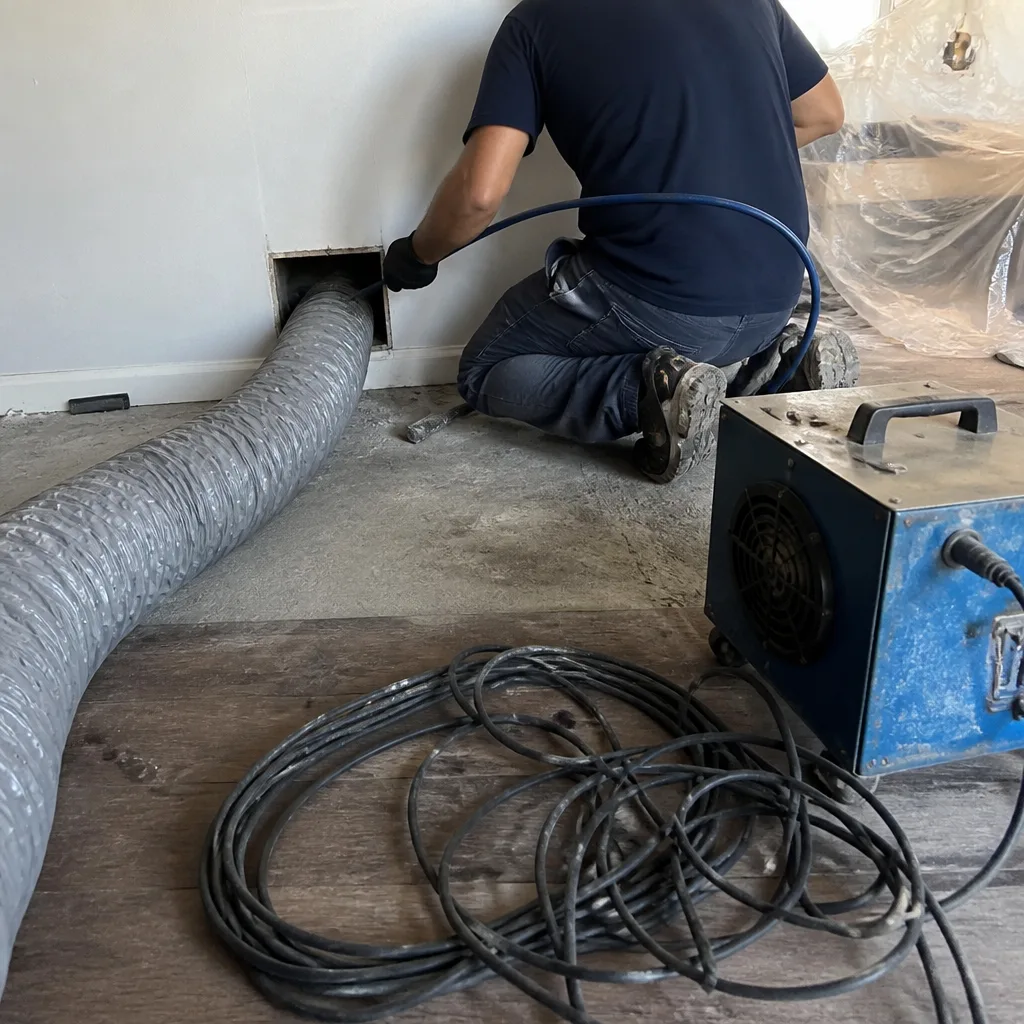 Before
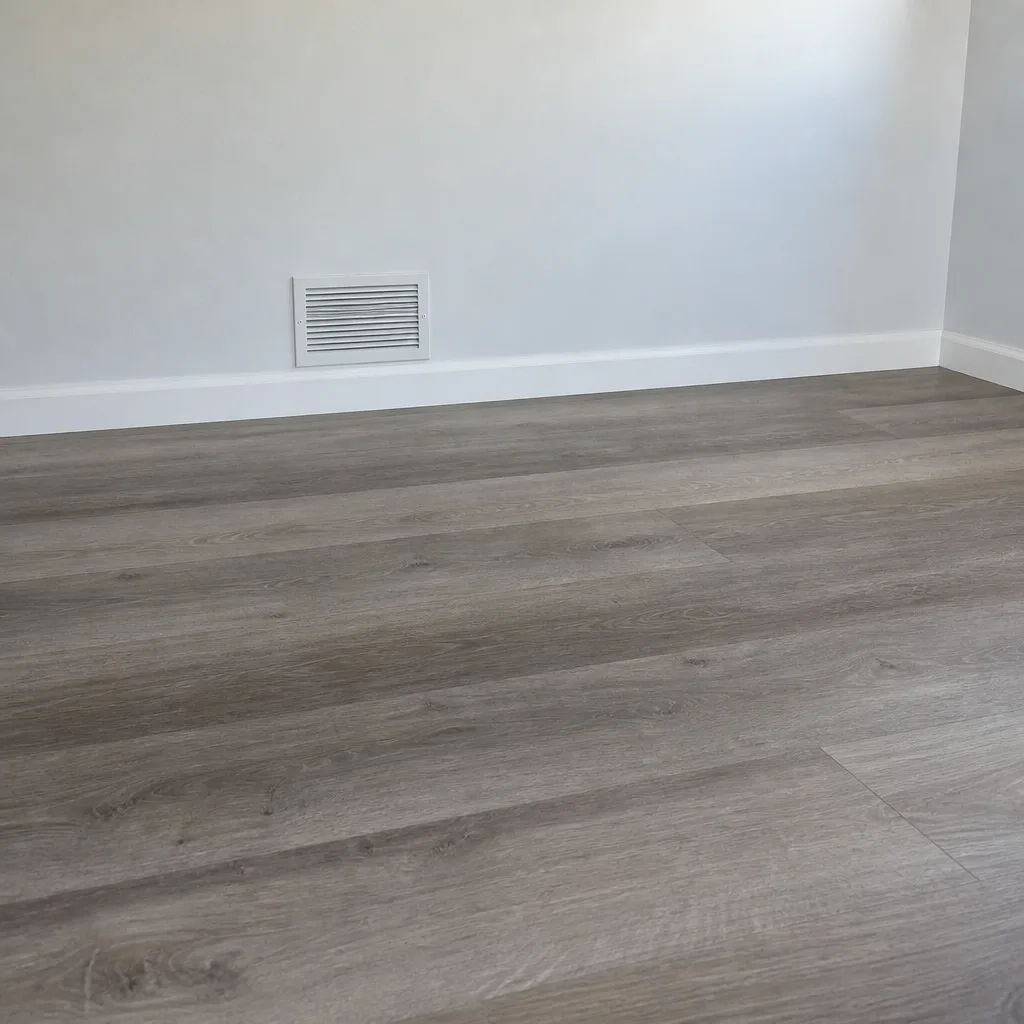 After
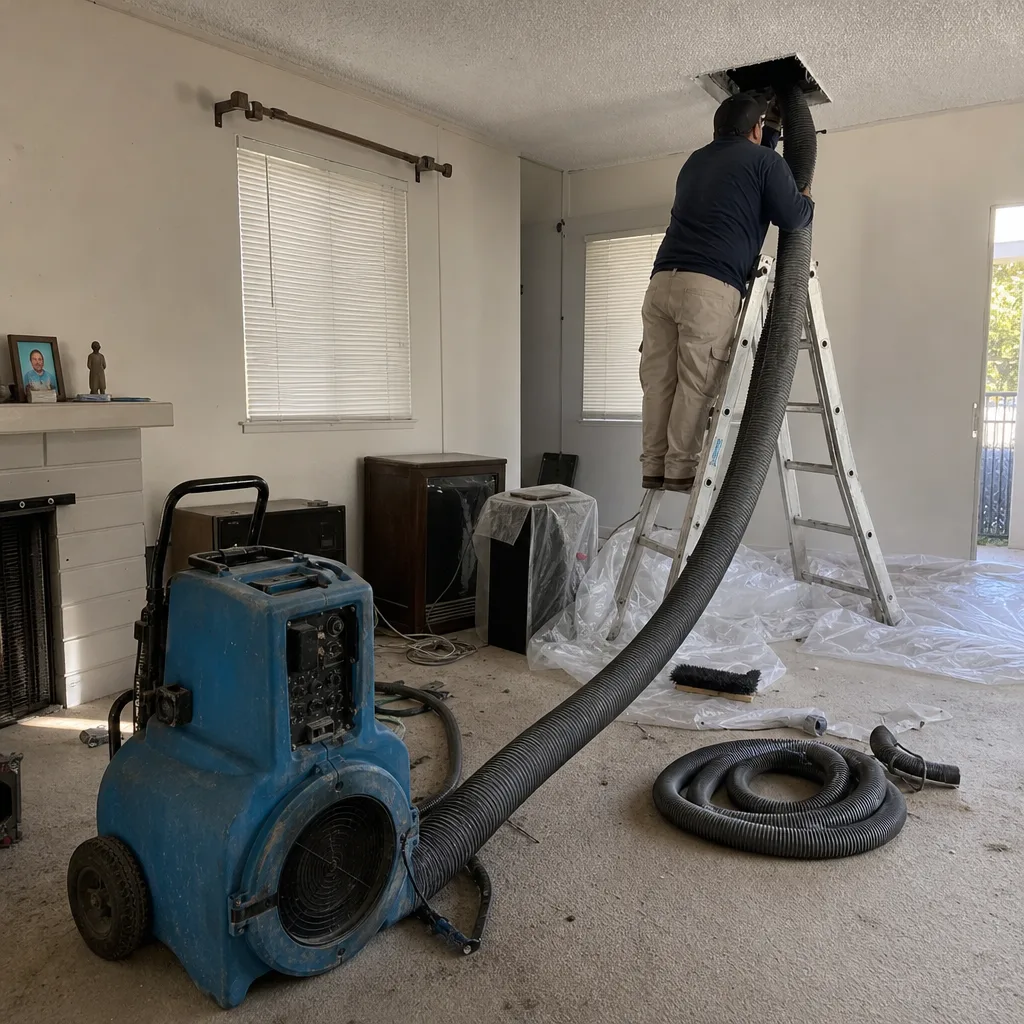 Before
 After
 Before
 After